Villa M
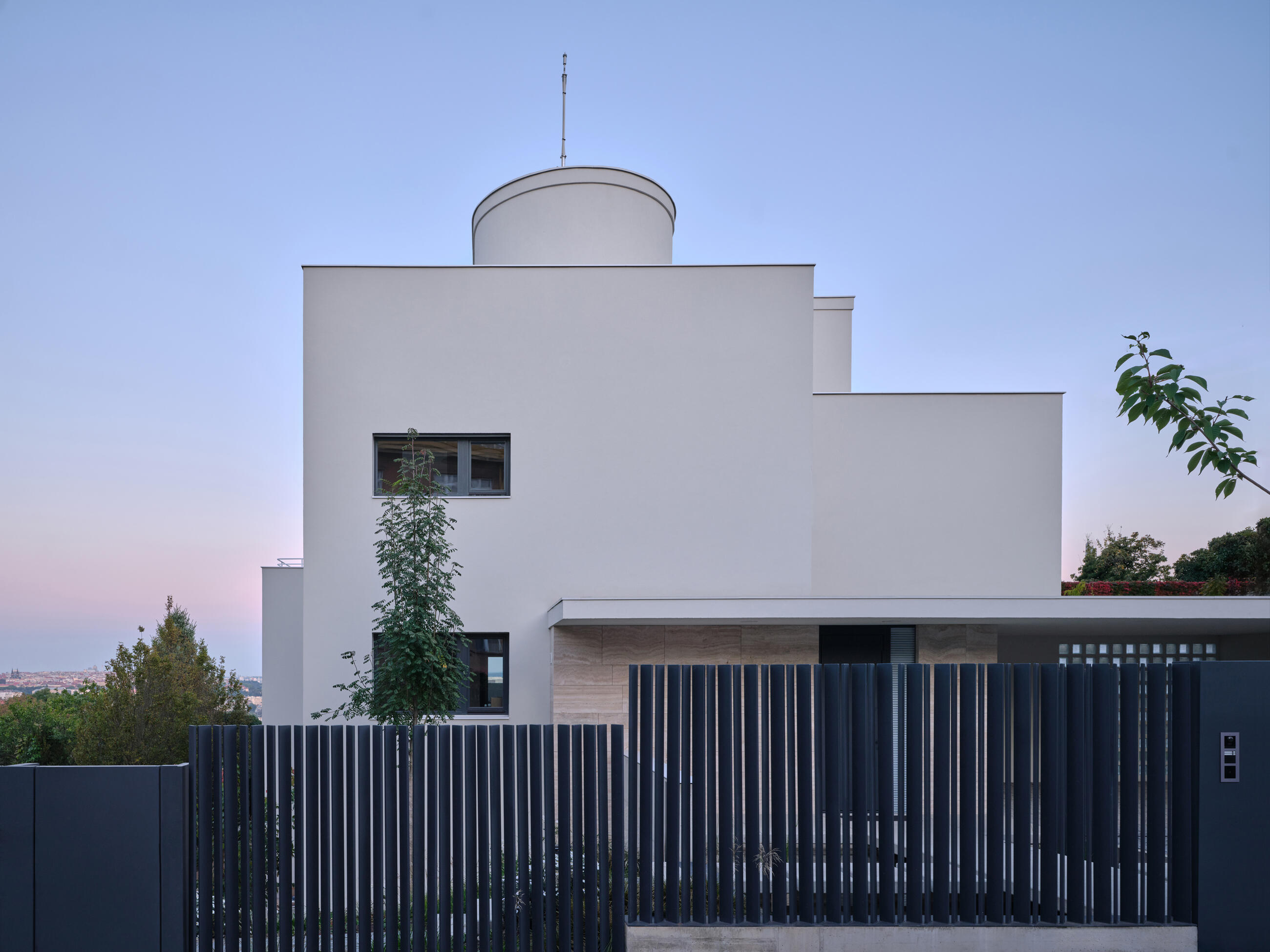
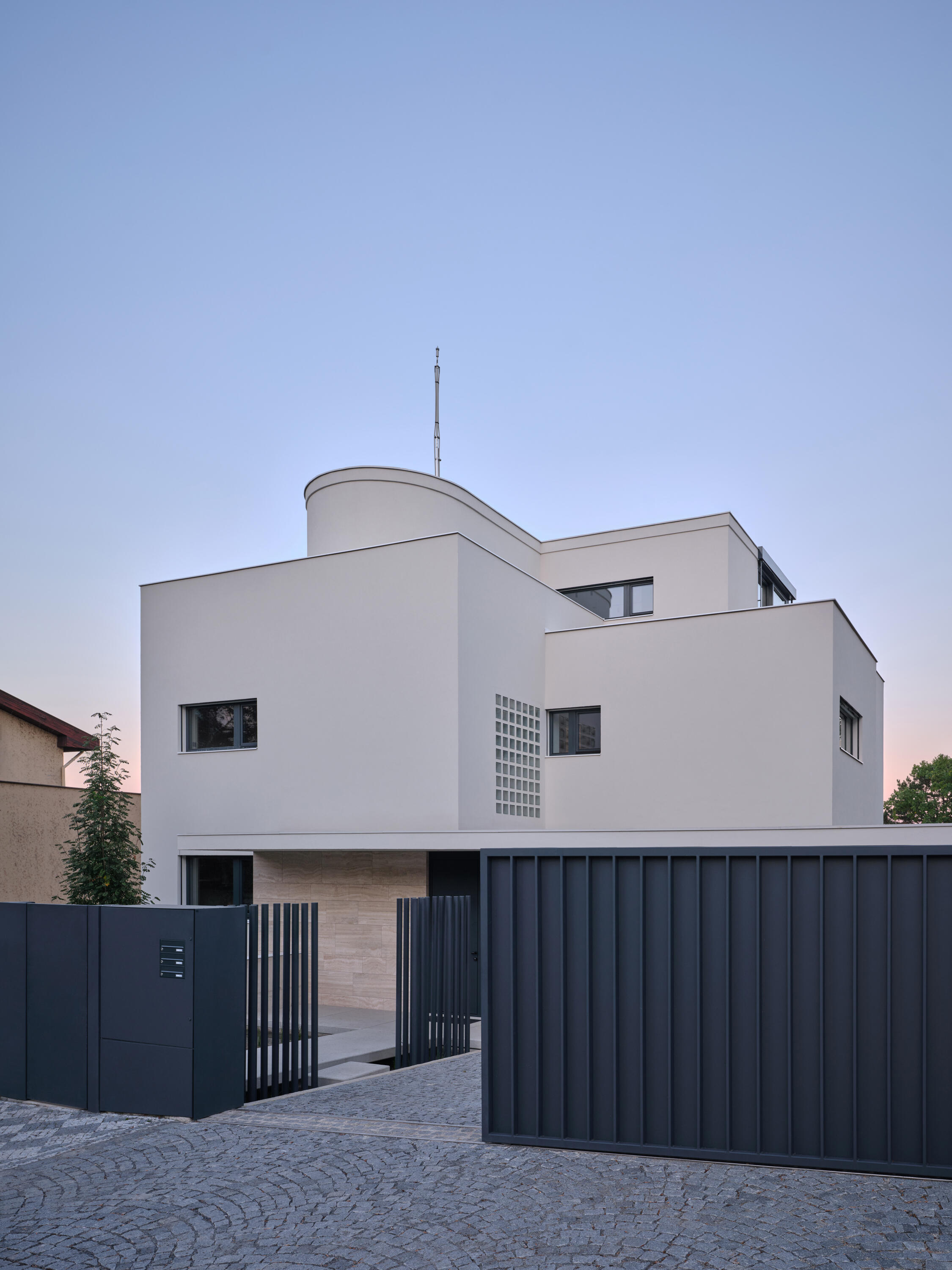
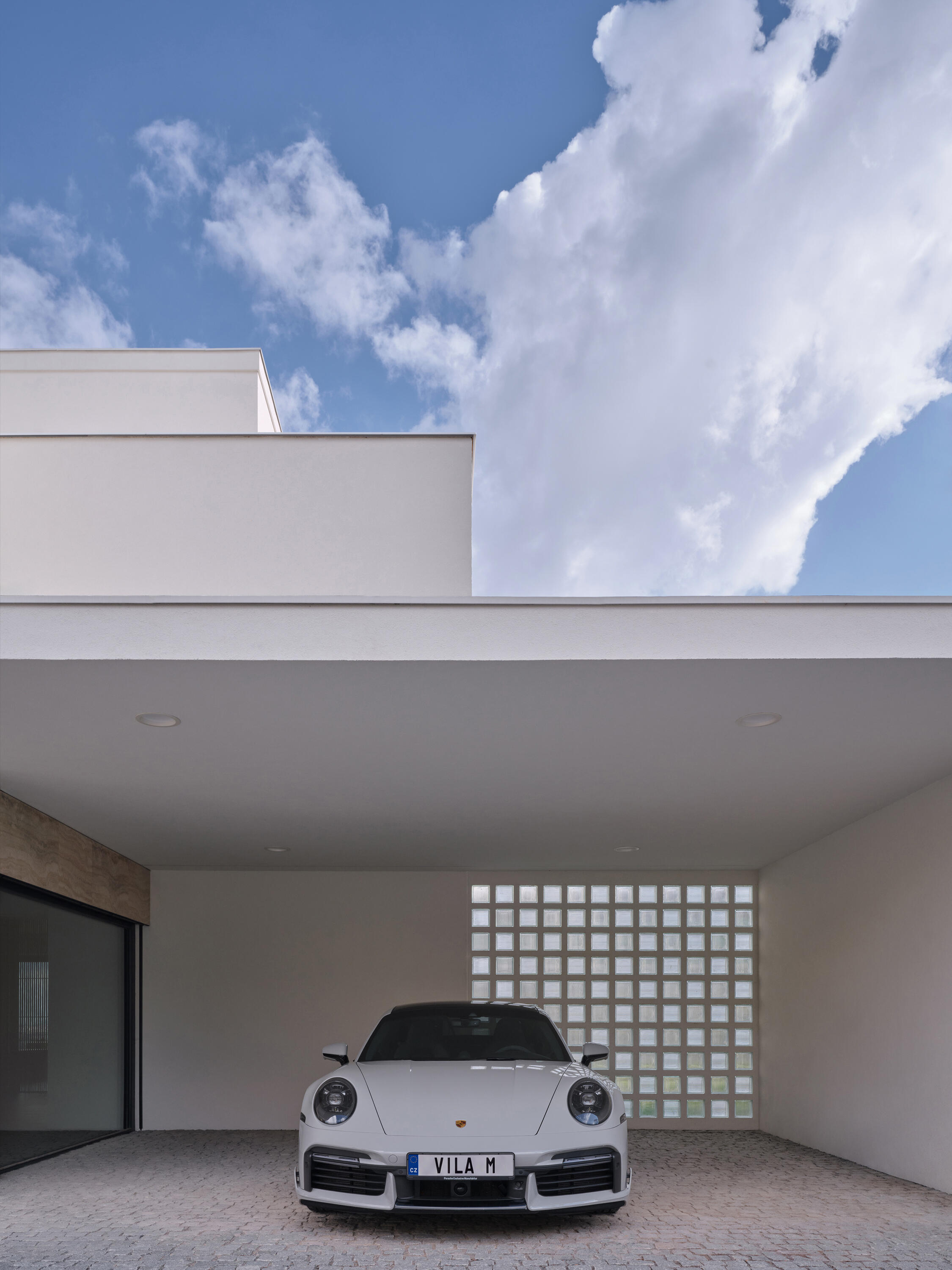
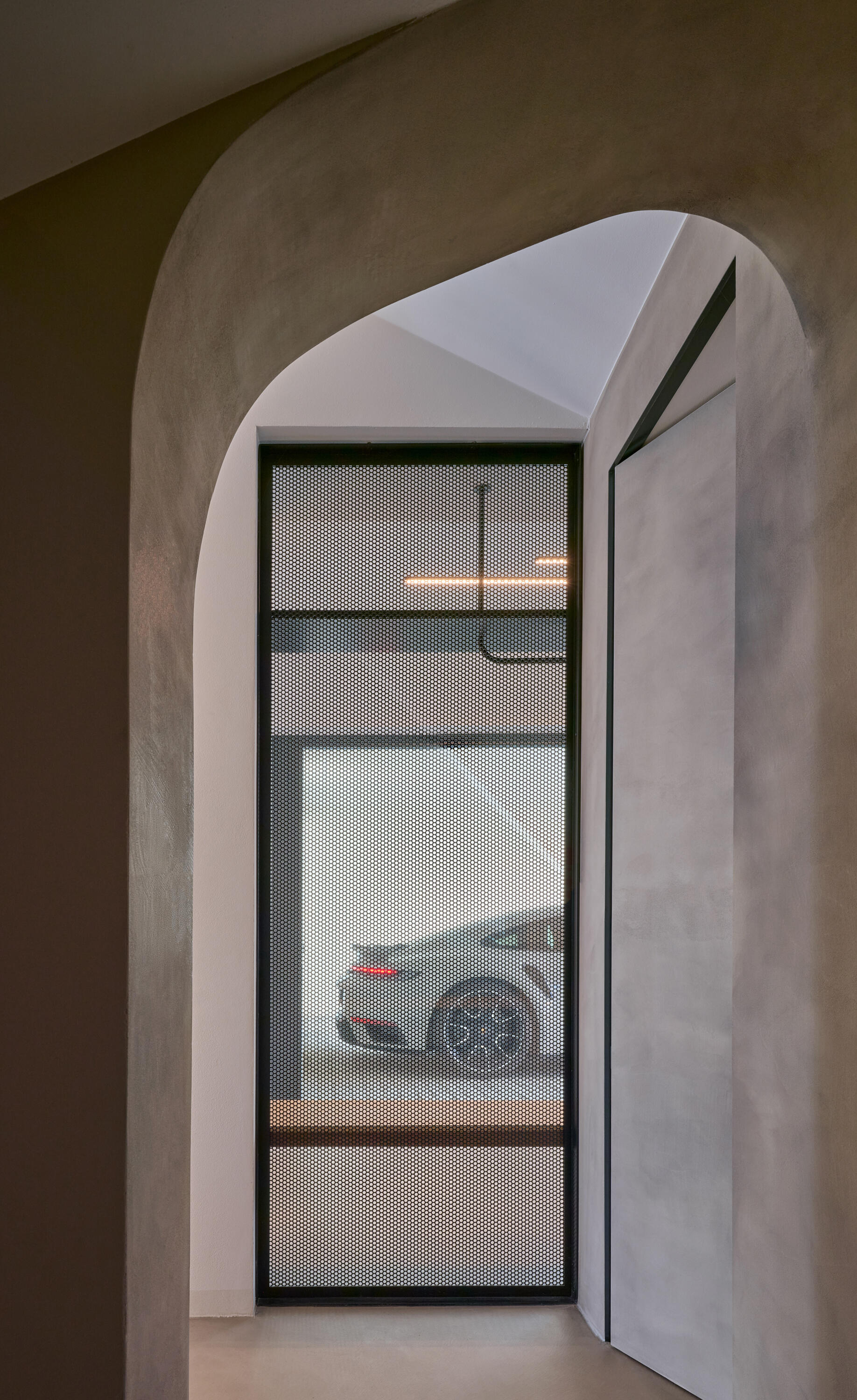
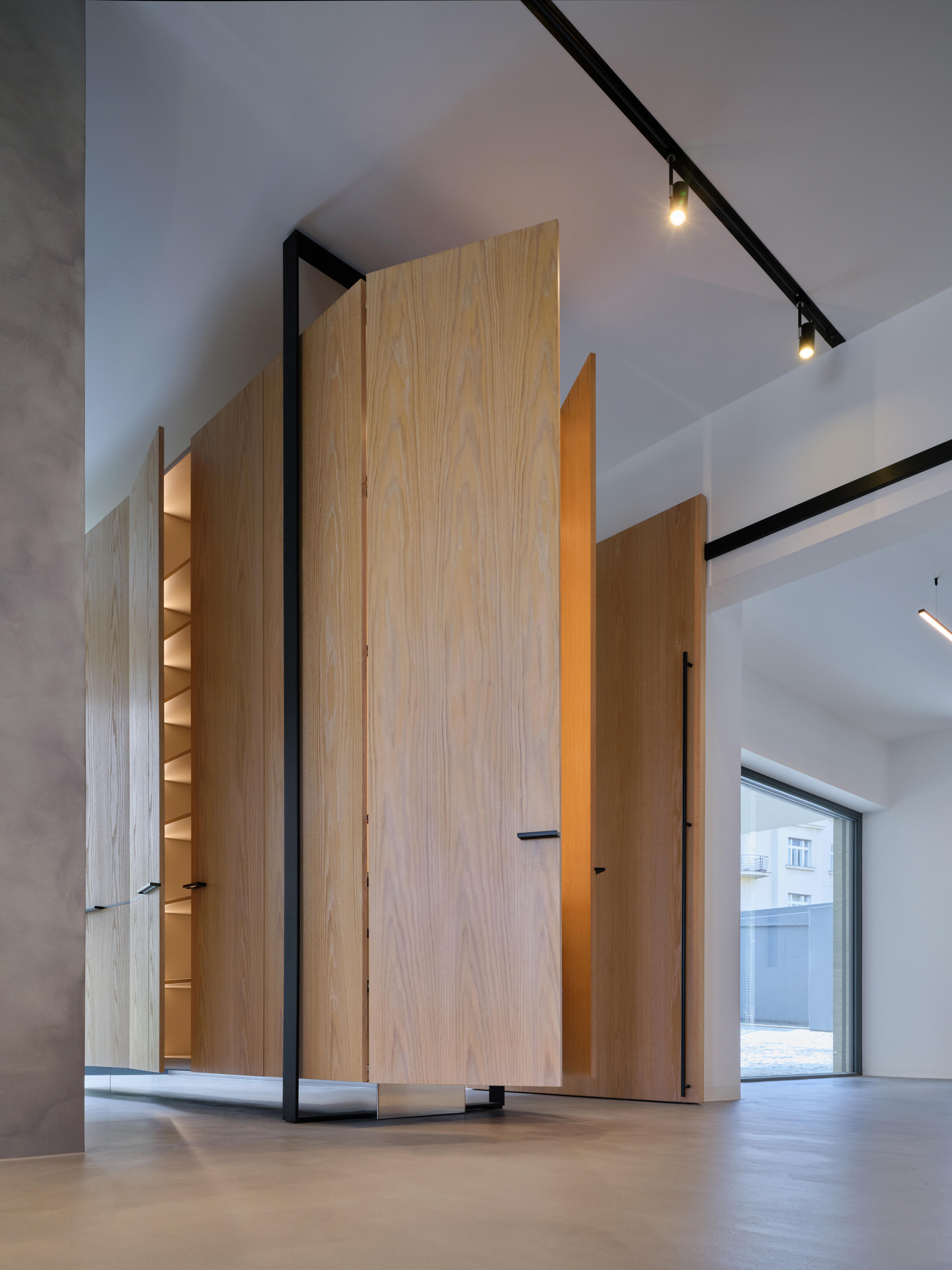
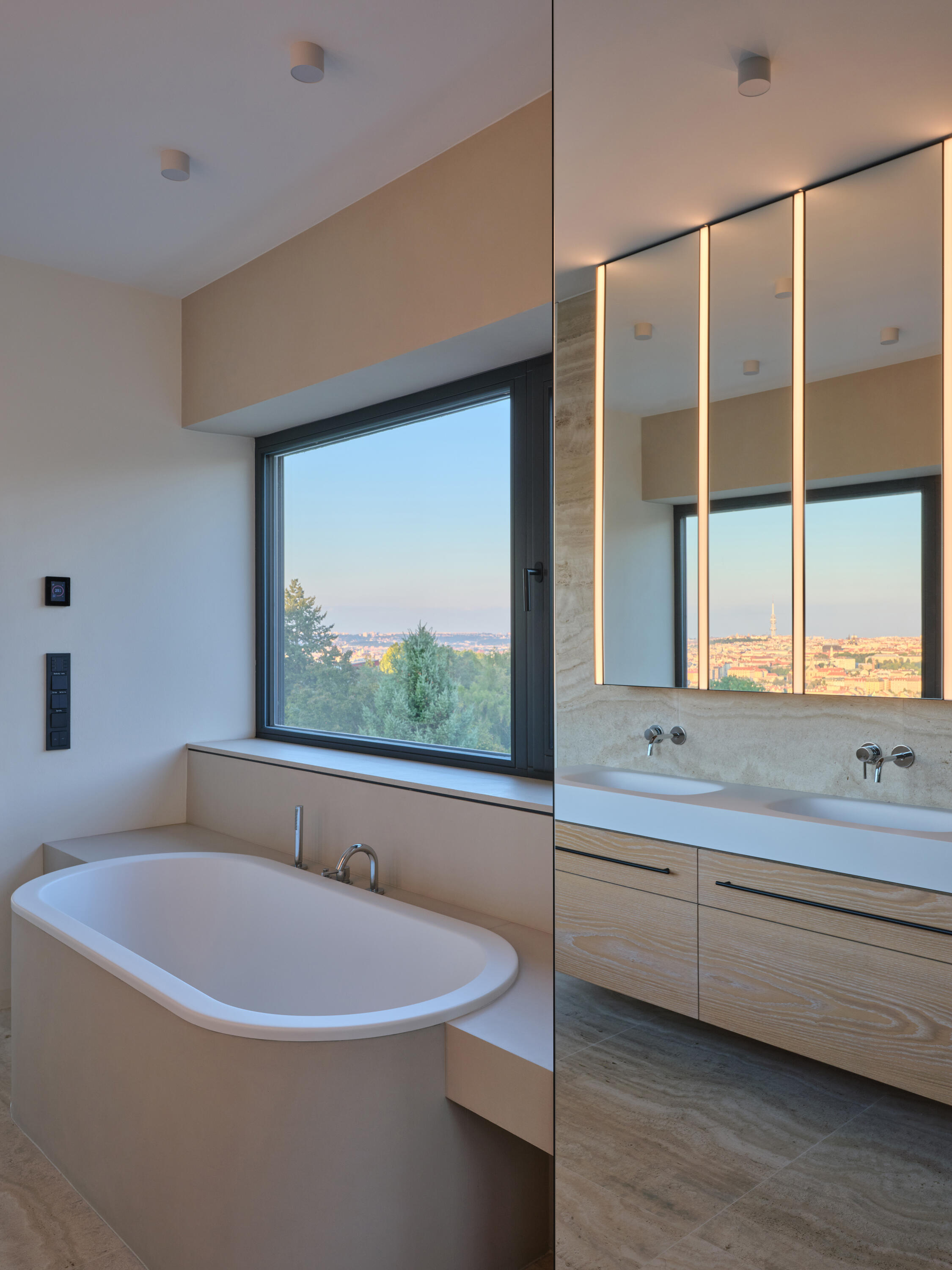
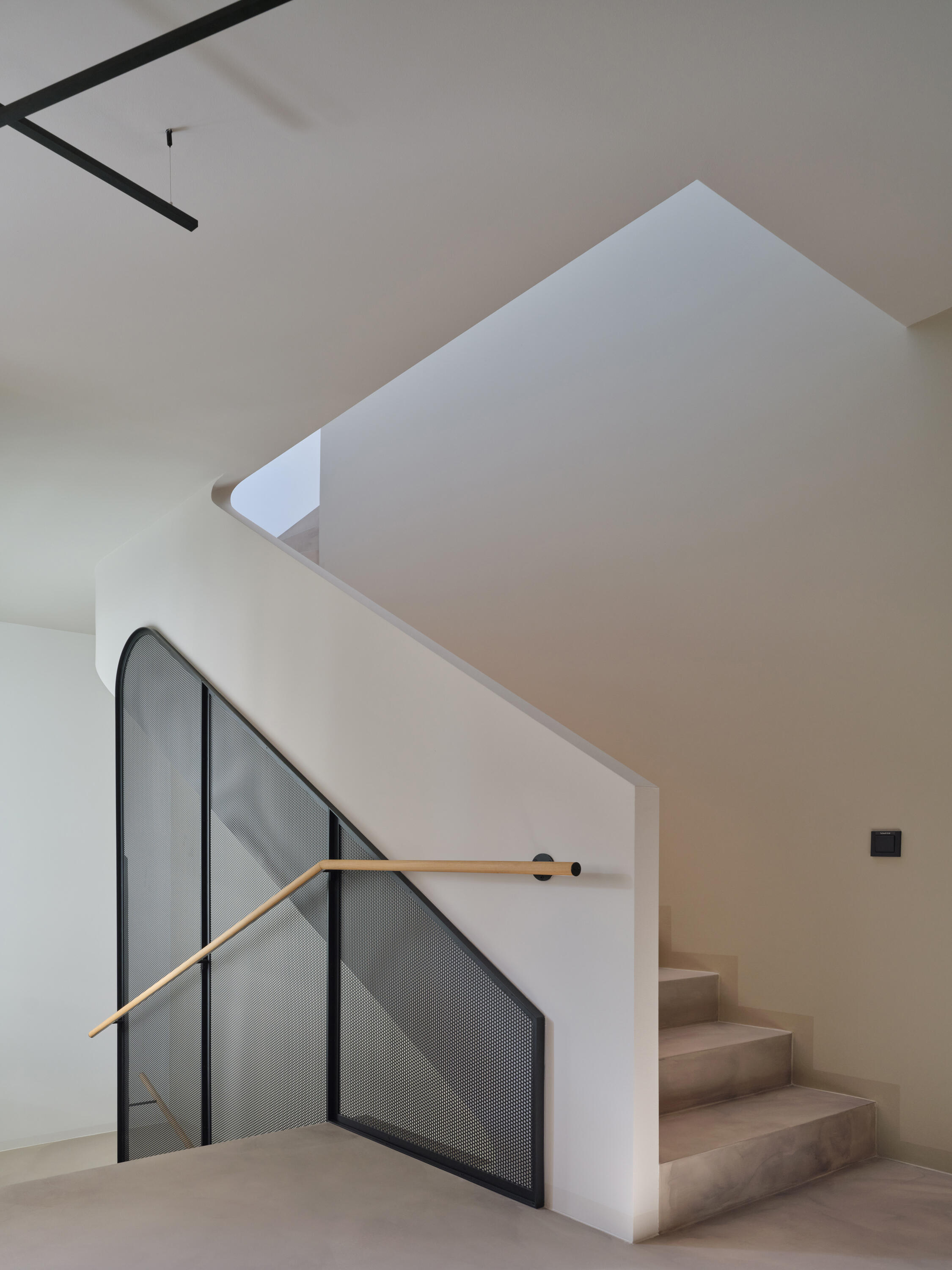
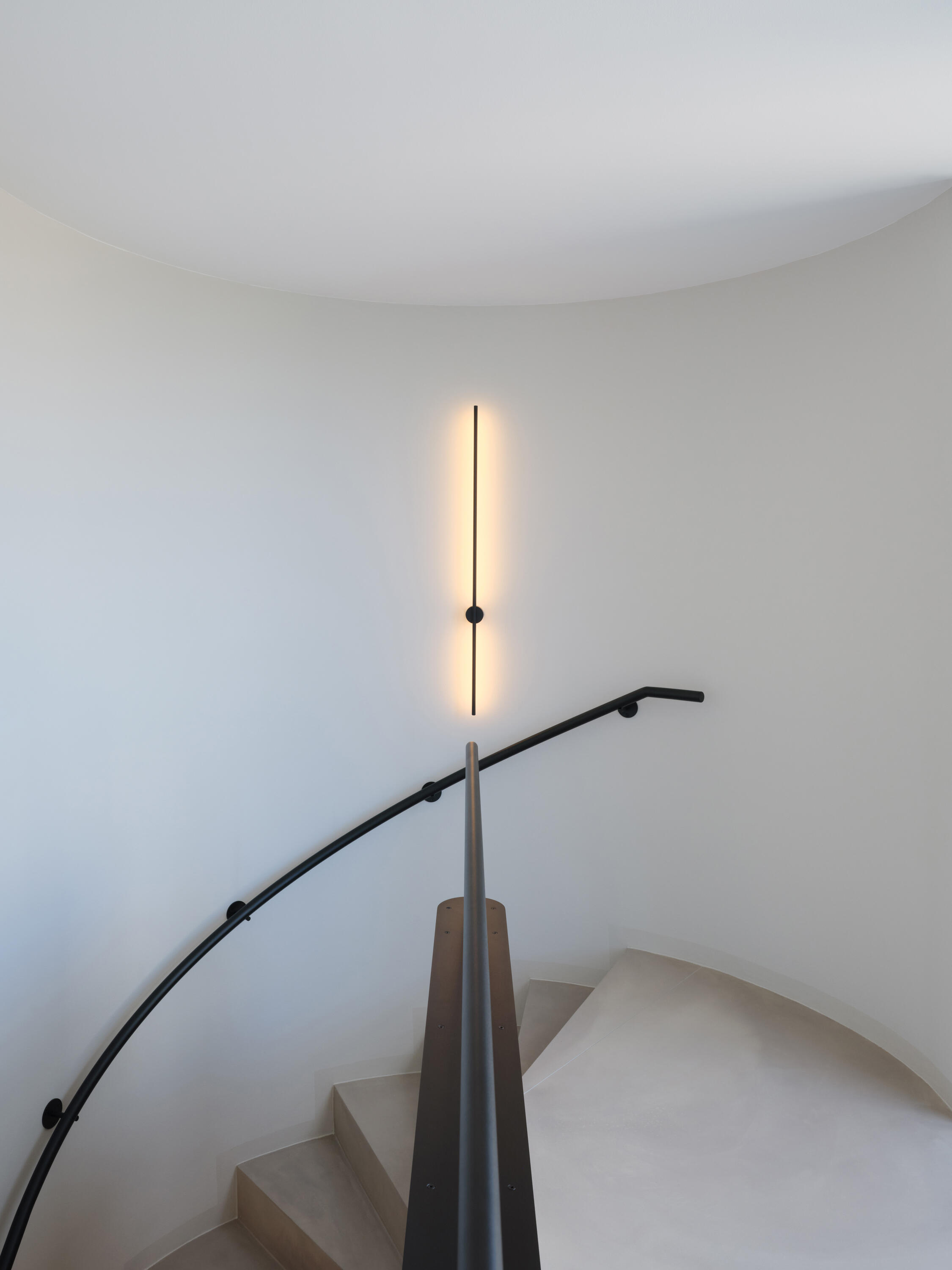
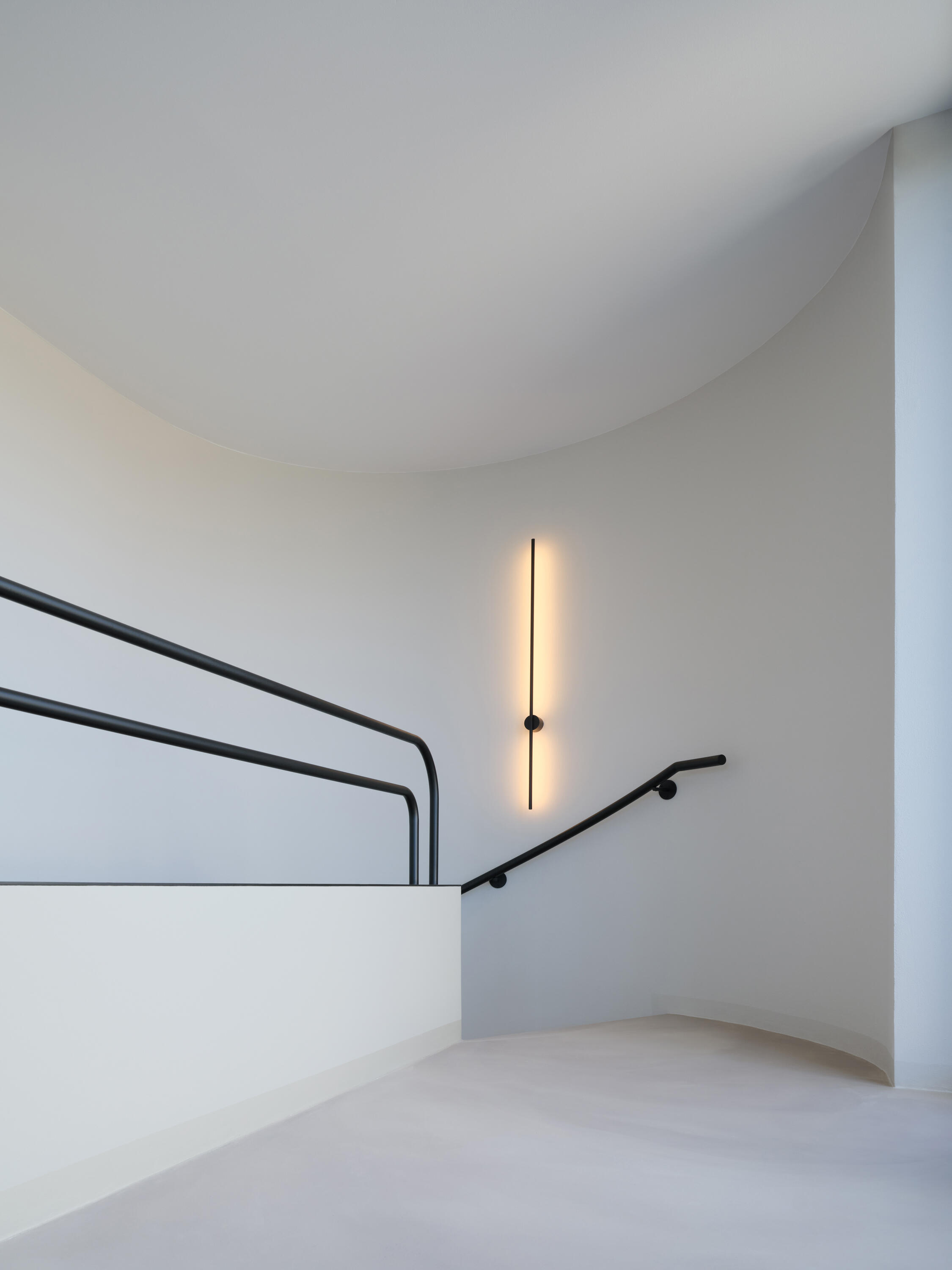
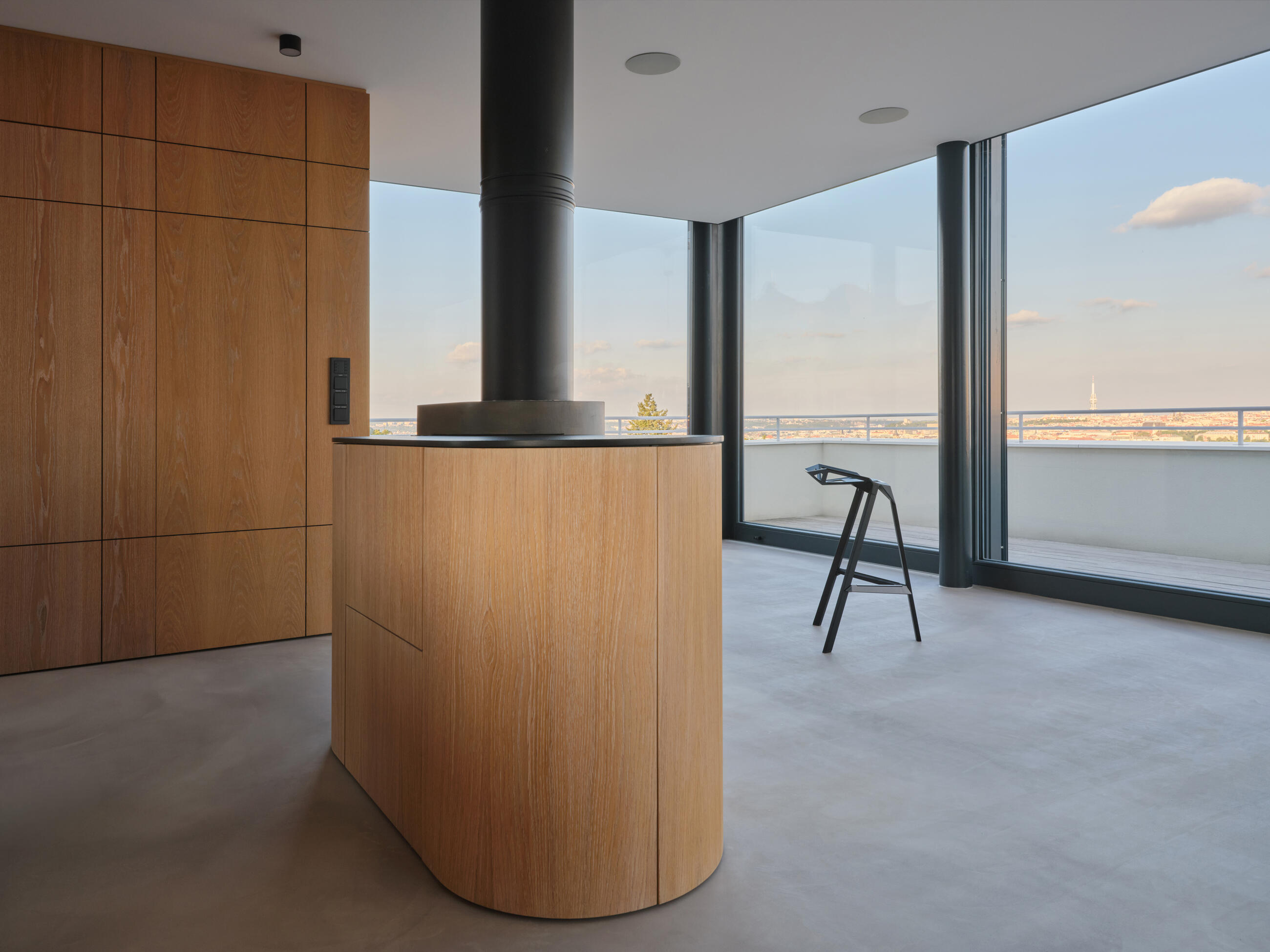
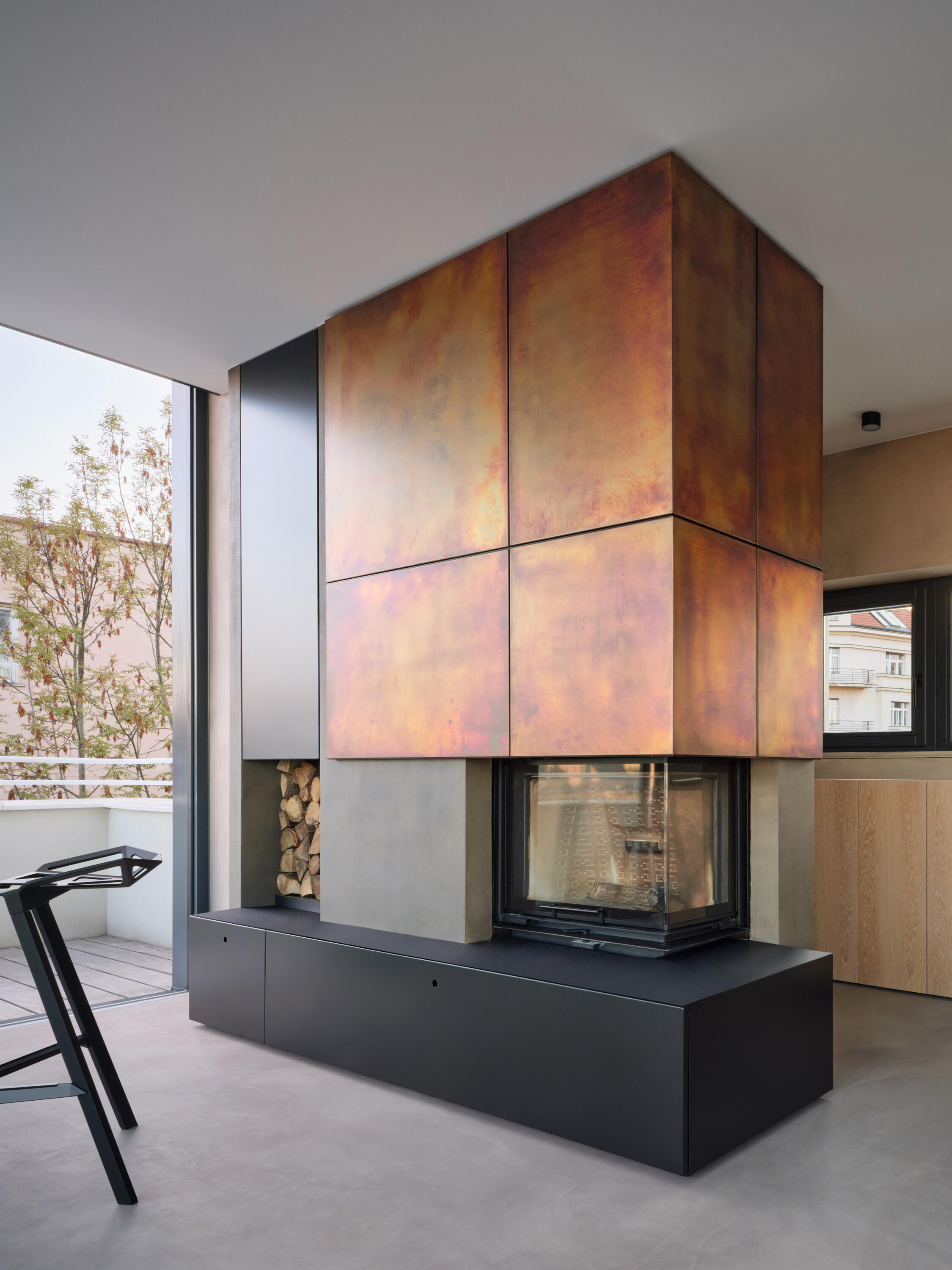
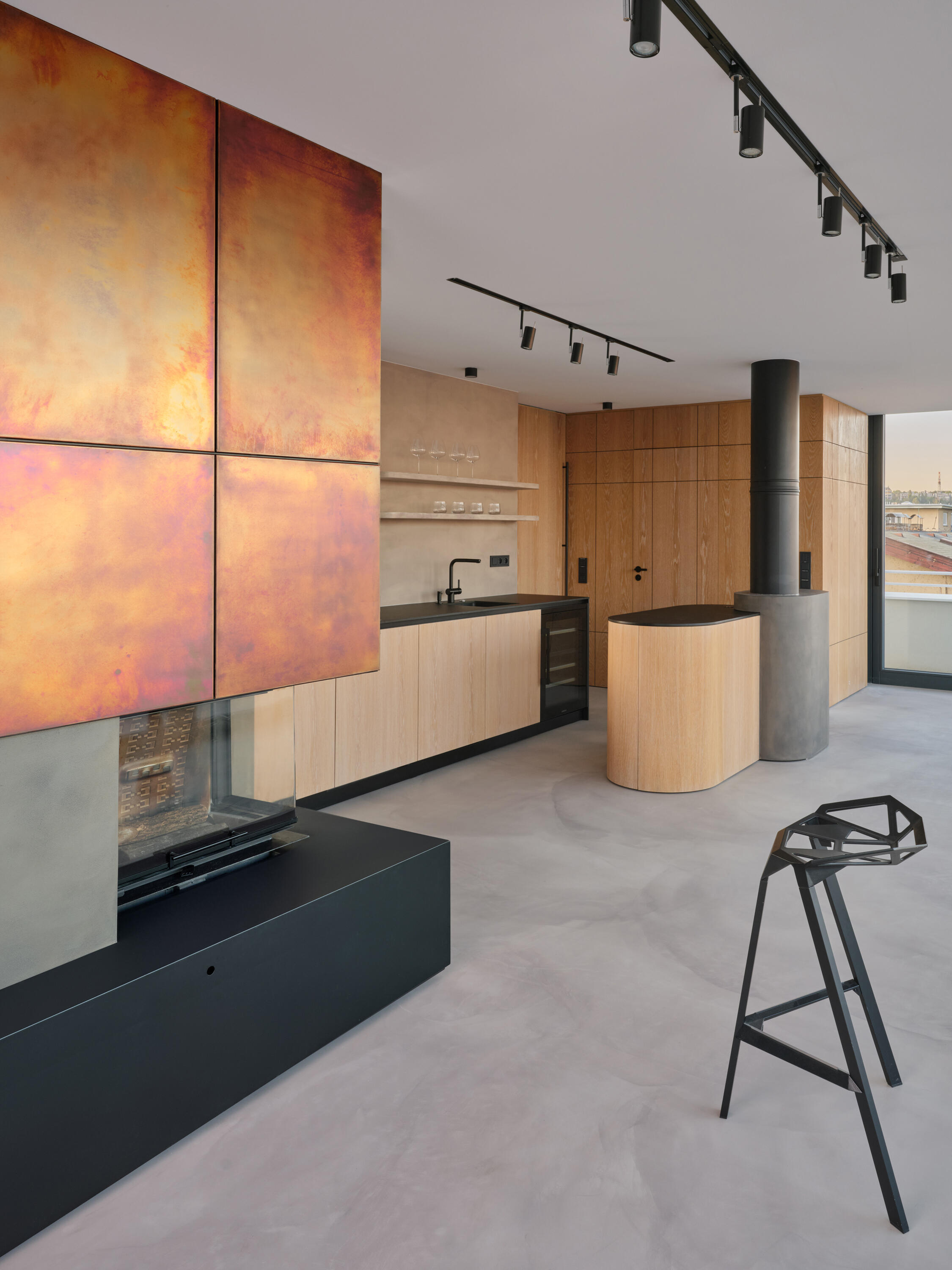
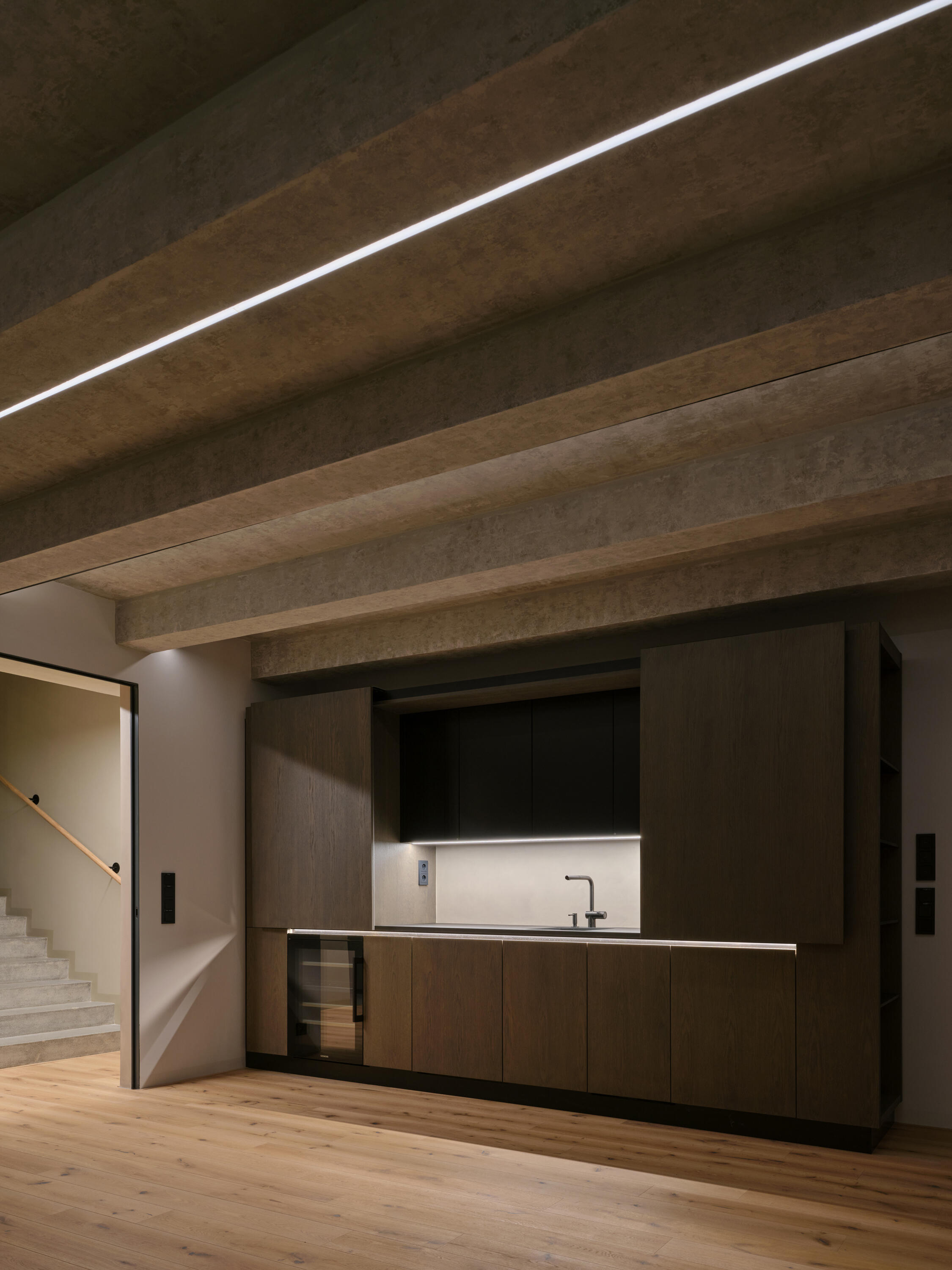
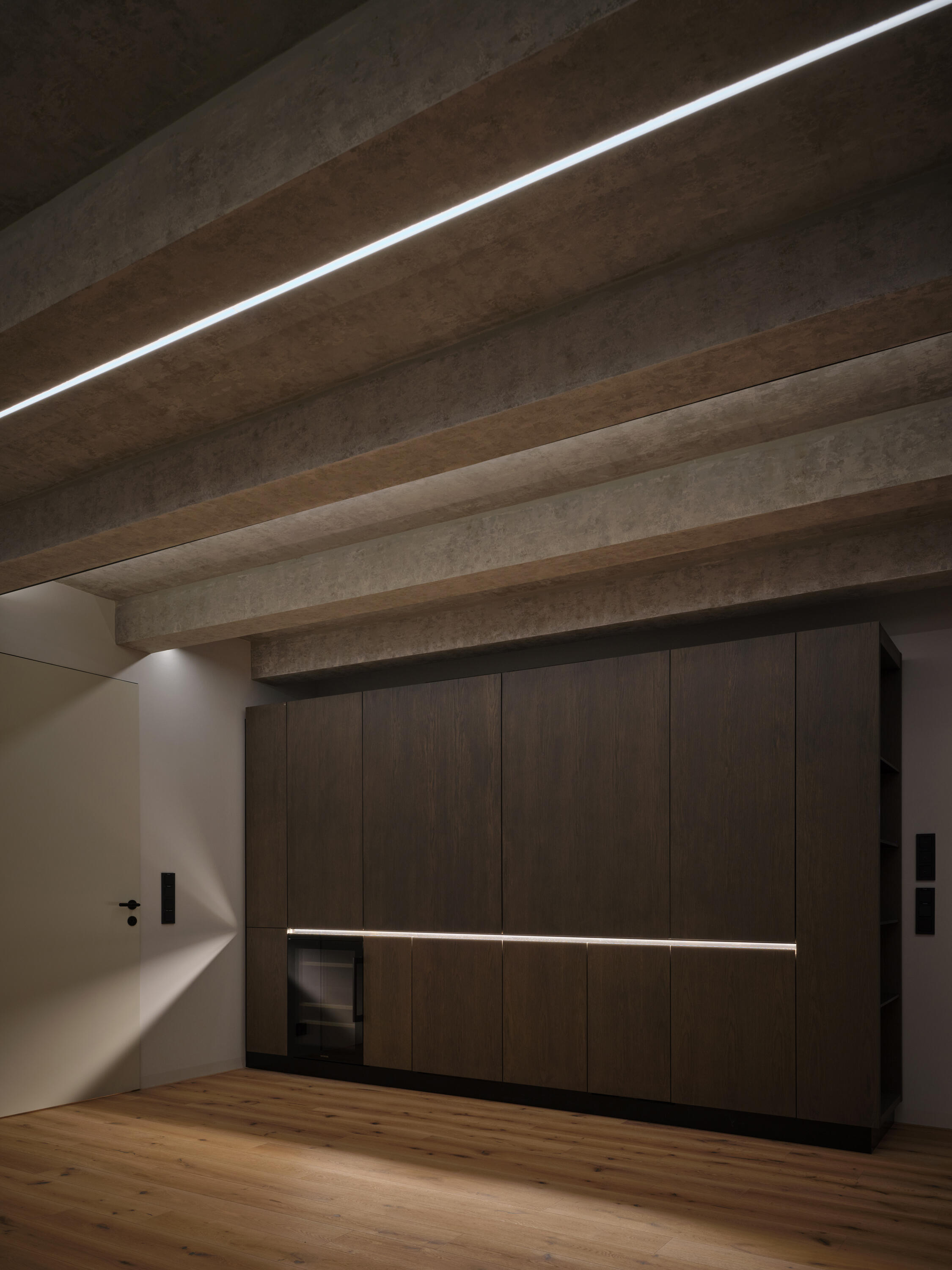
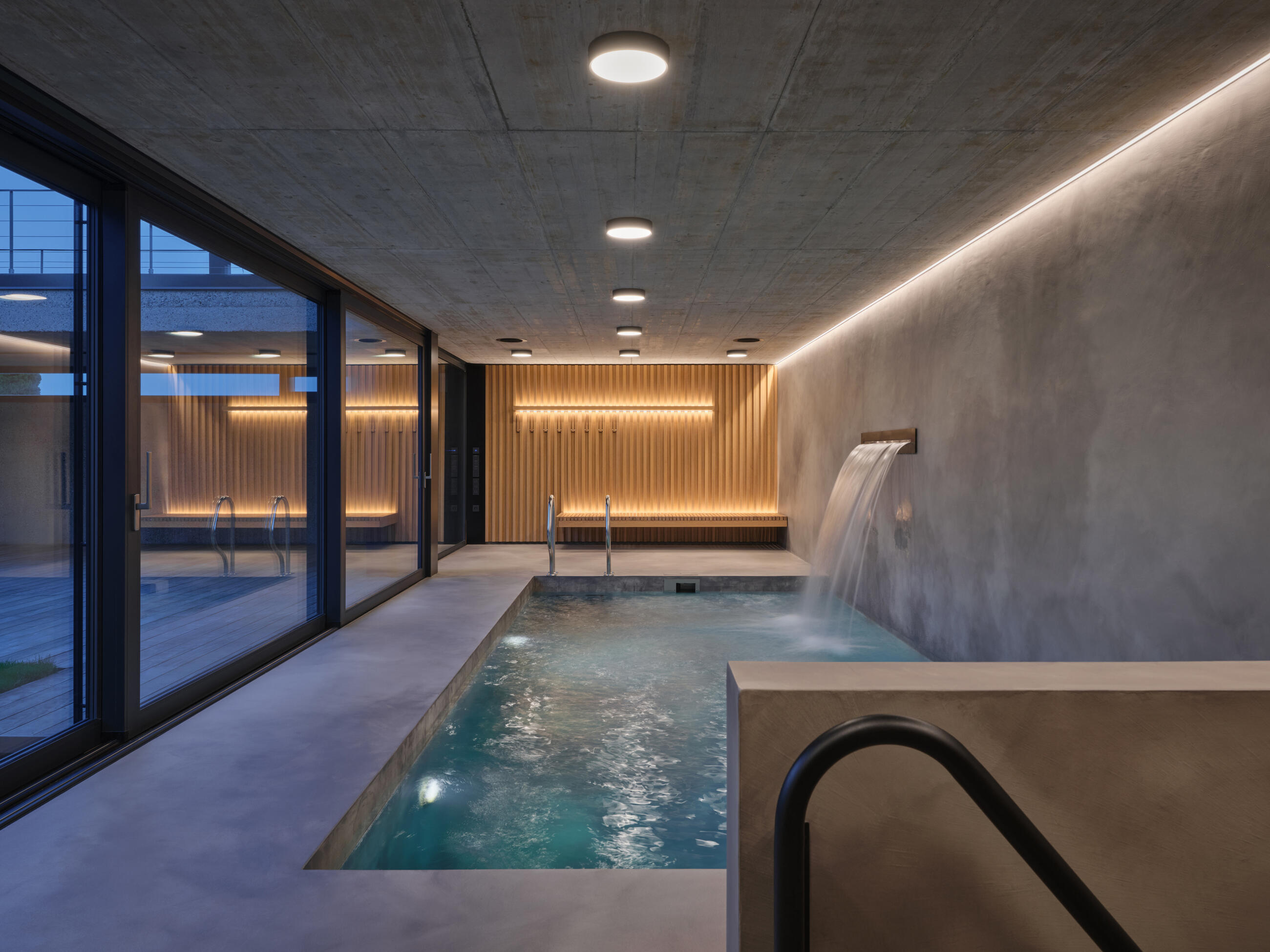
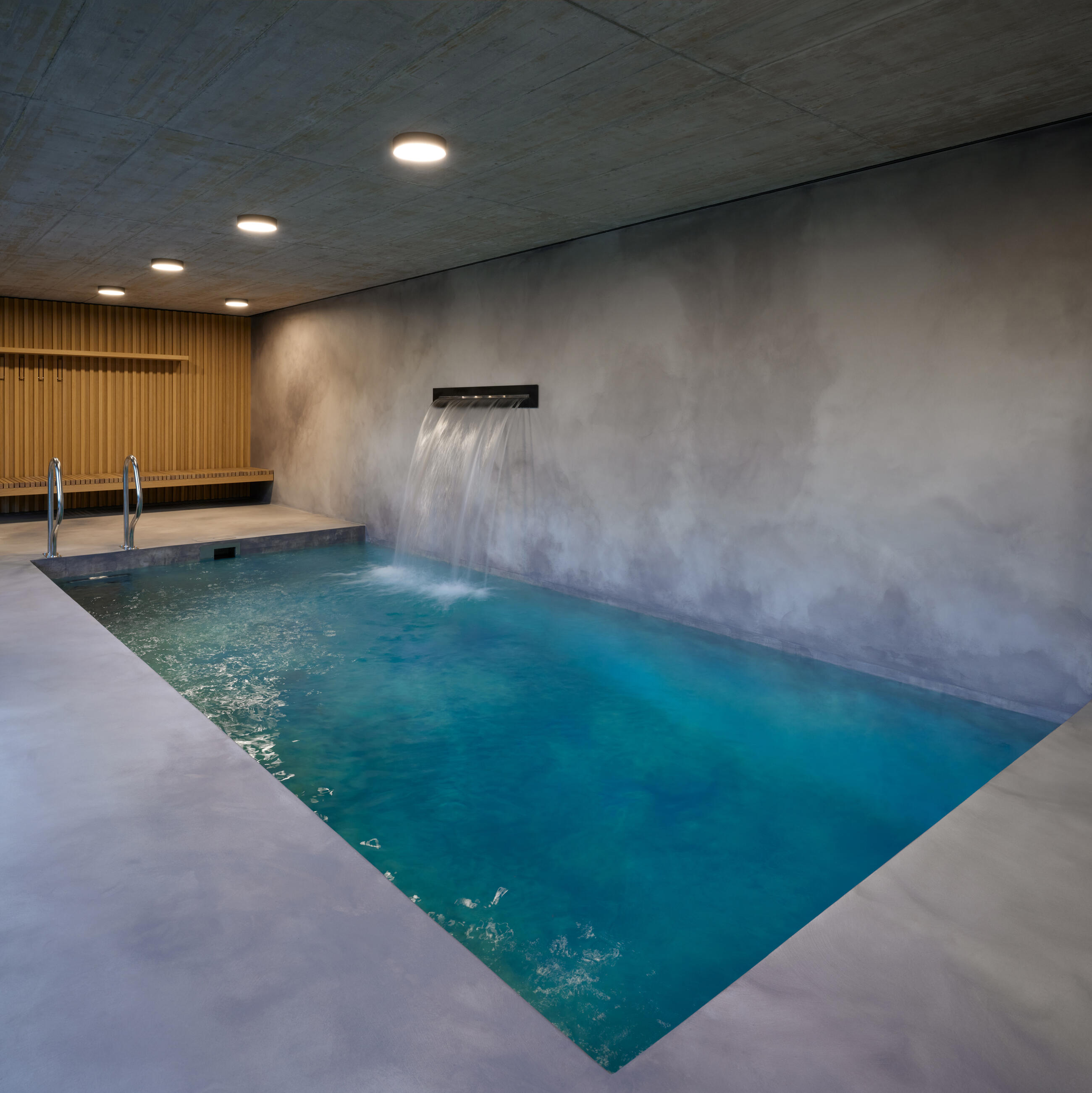
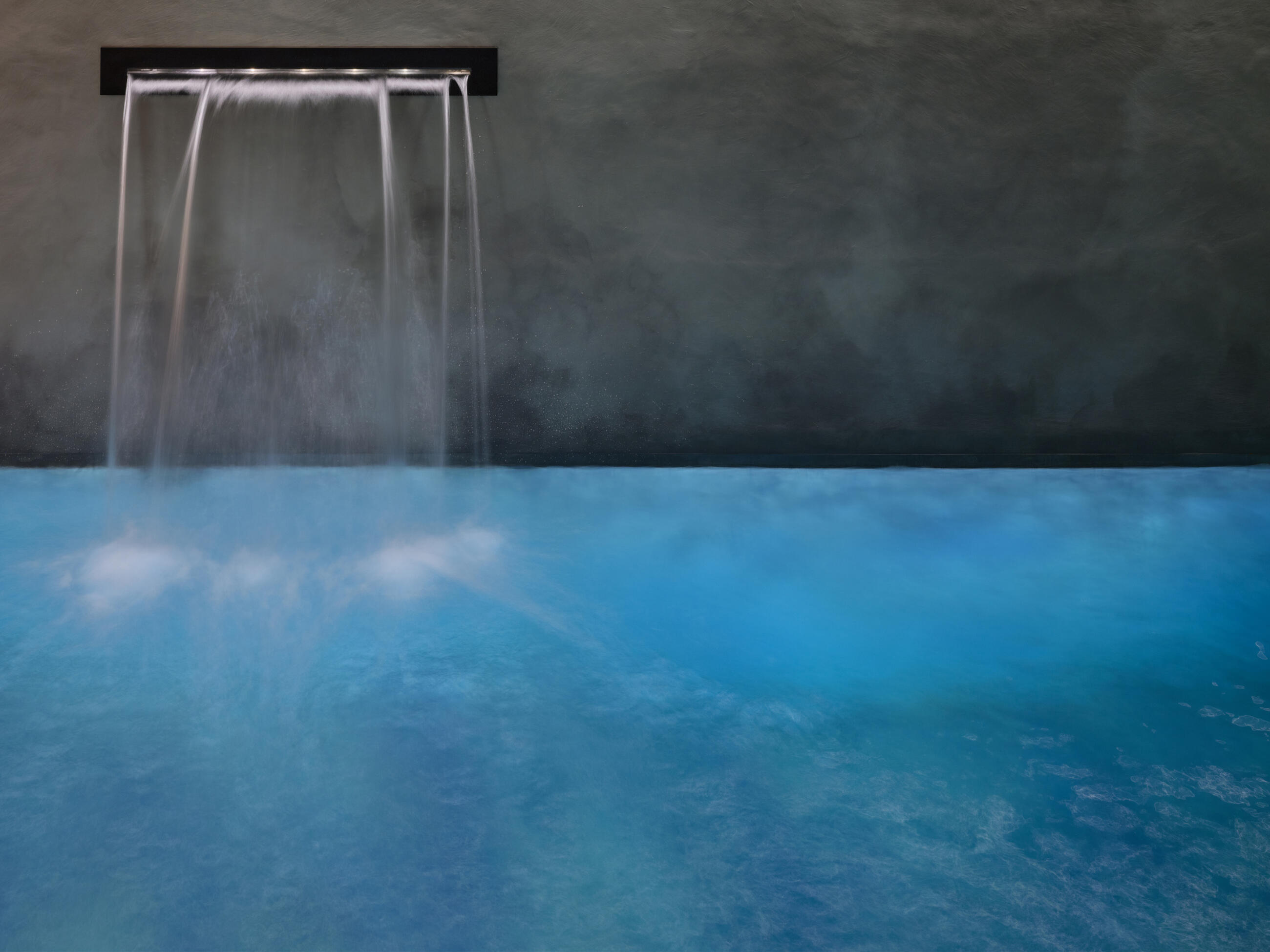
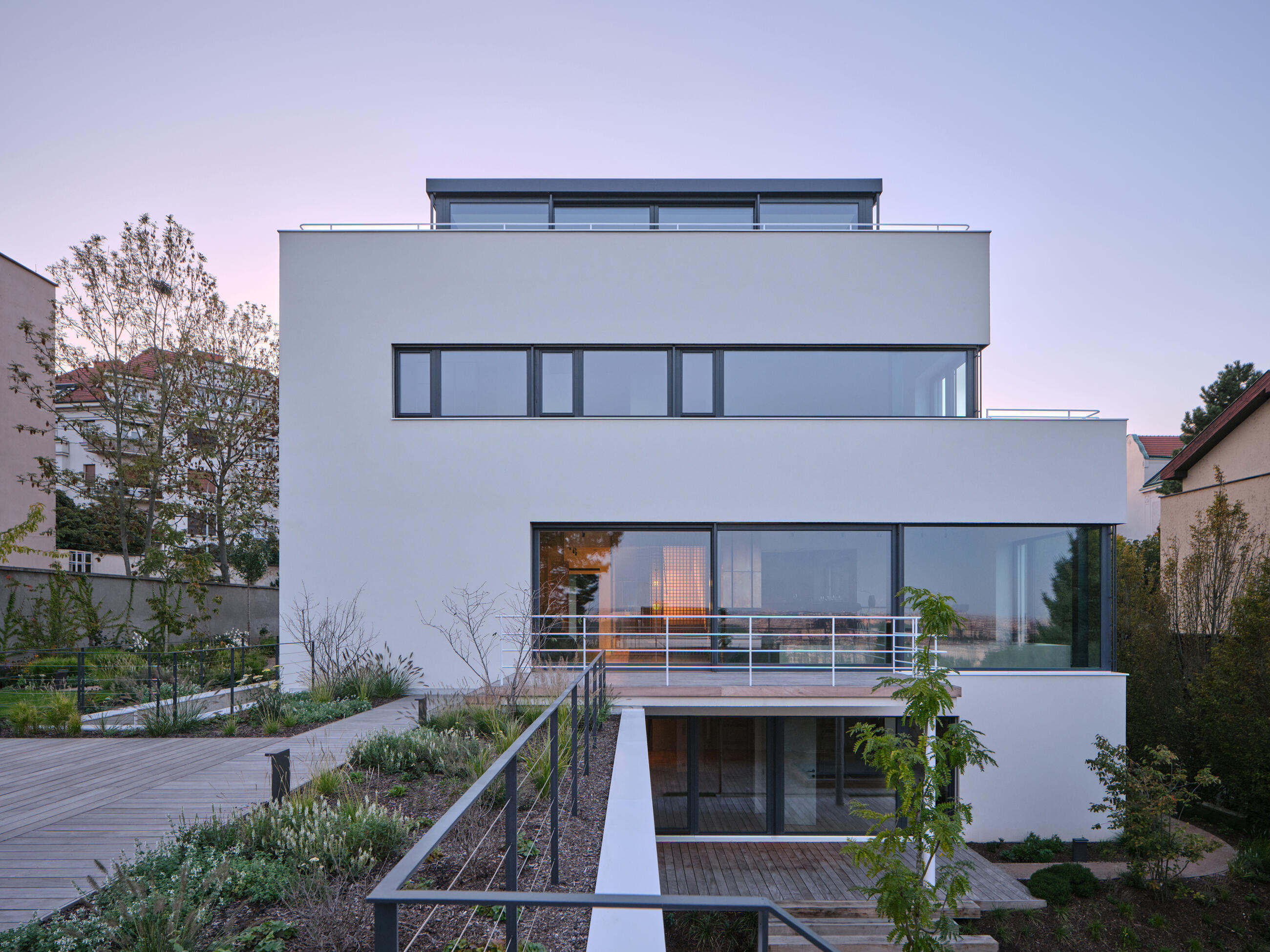
The client approached us with an already partially developed project for the reconstruction of a Functionalist villa from 1937–1938 by architects Arnošt Mühlstein and Victor Fürth. The building had survived almost in its original state until 1994, when it underwent a partial renovation. After 2000, the house was seriously damaged by fire and remained abandoned for several years.
The exterior form of the conversion had already been defined by architect Vít Košťál in its basic volumetric features, but the interior design required a new interpretation that would respond to contemporary living standards and to the client’s more precise brief. We did not perceive the house as a historical artefact, but as a living structure capable of accommodating a contemporary way of living without losing its identity.
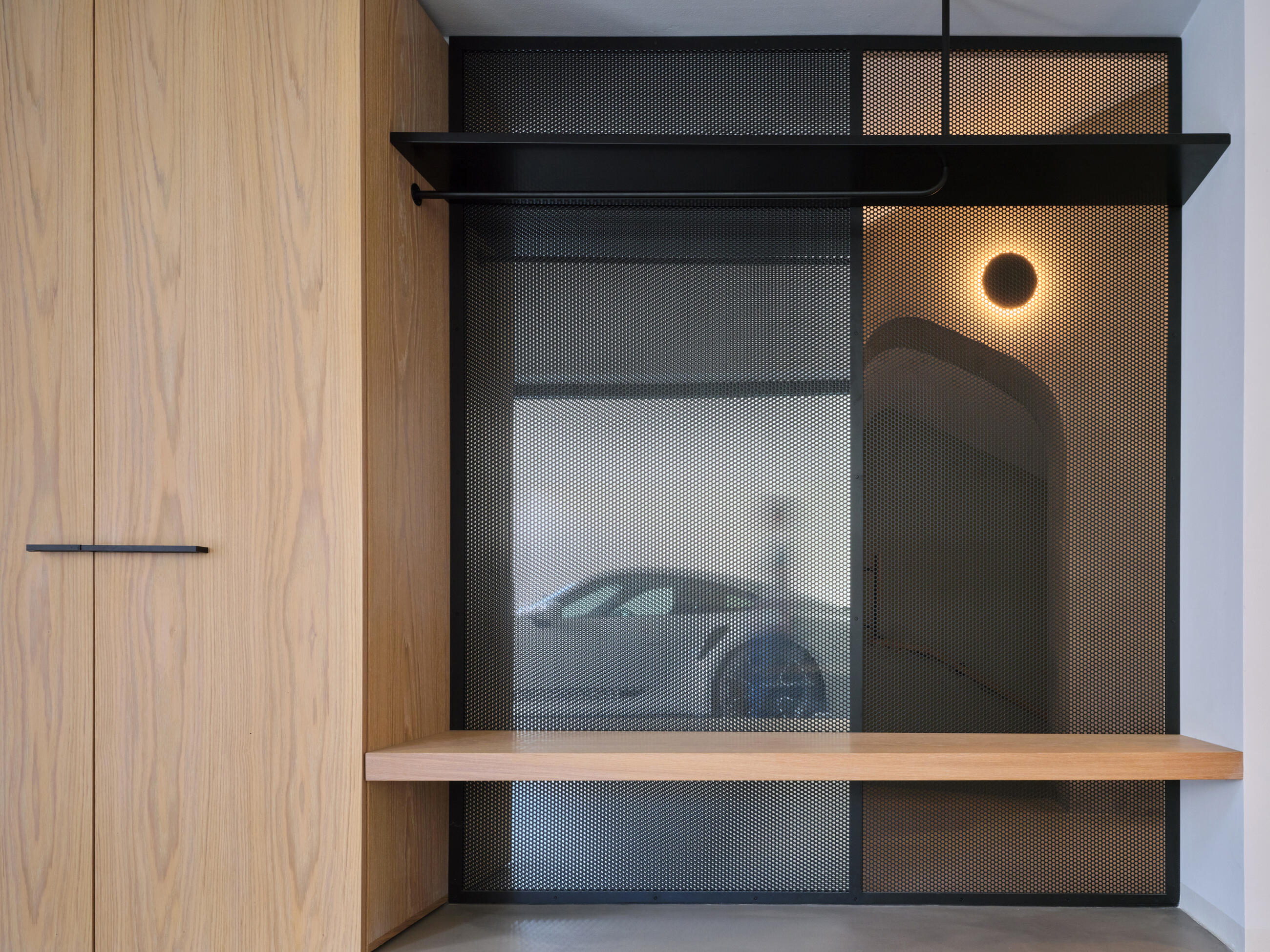
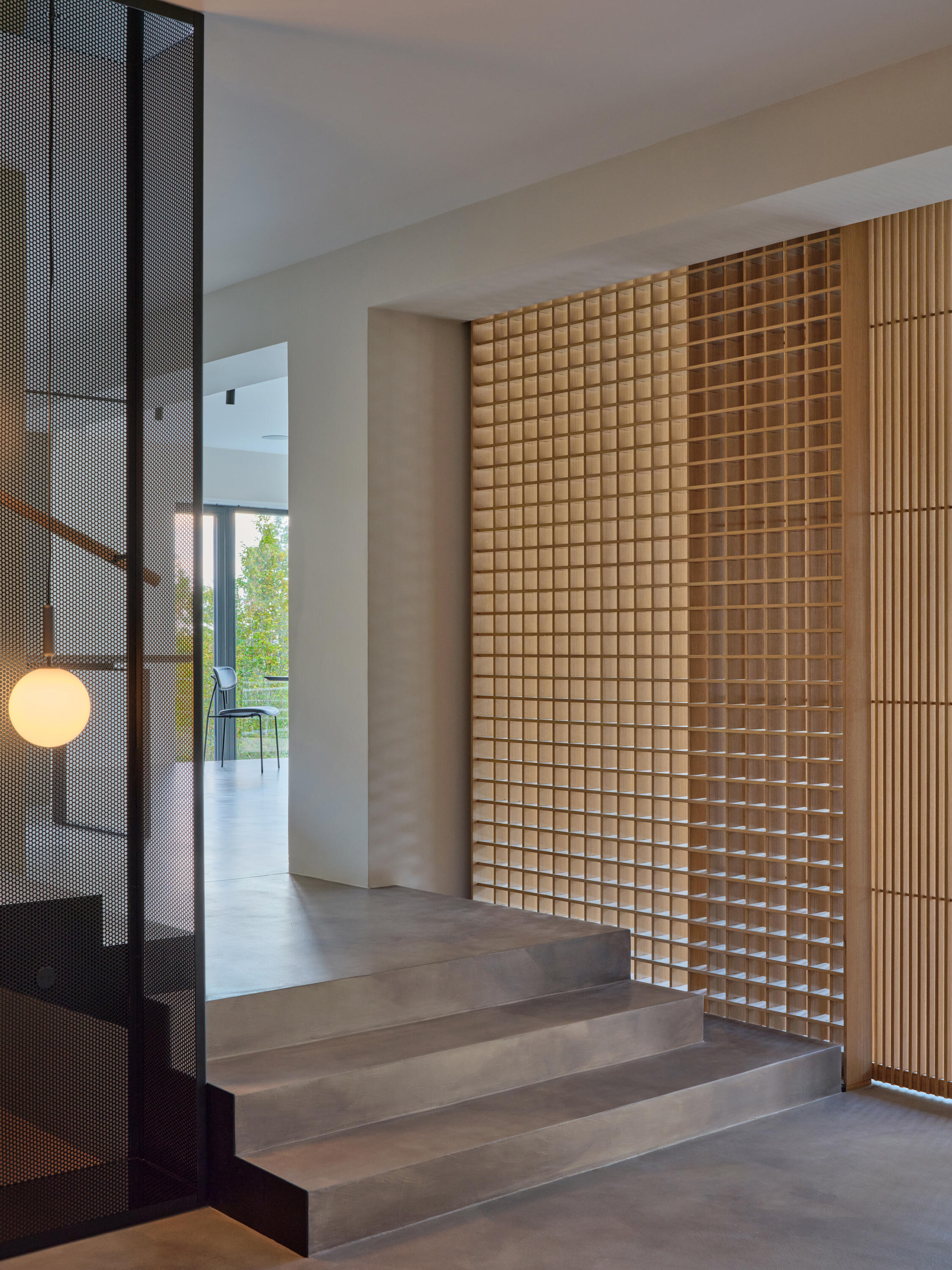
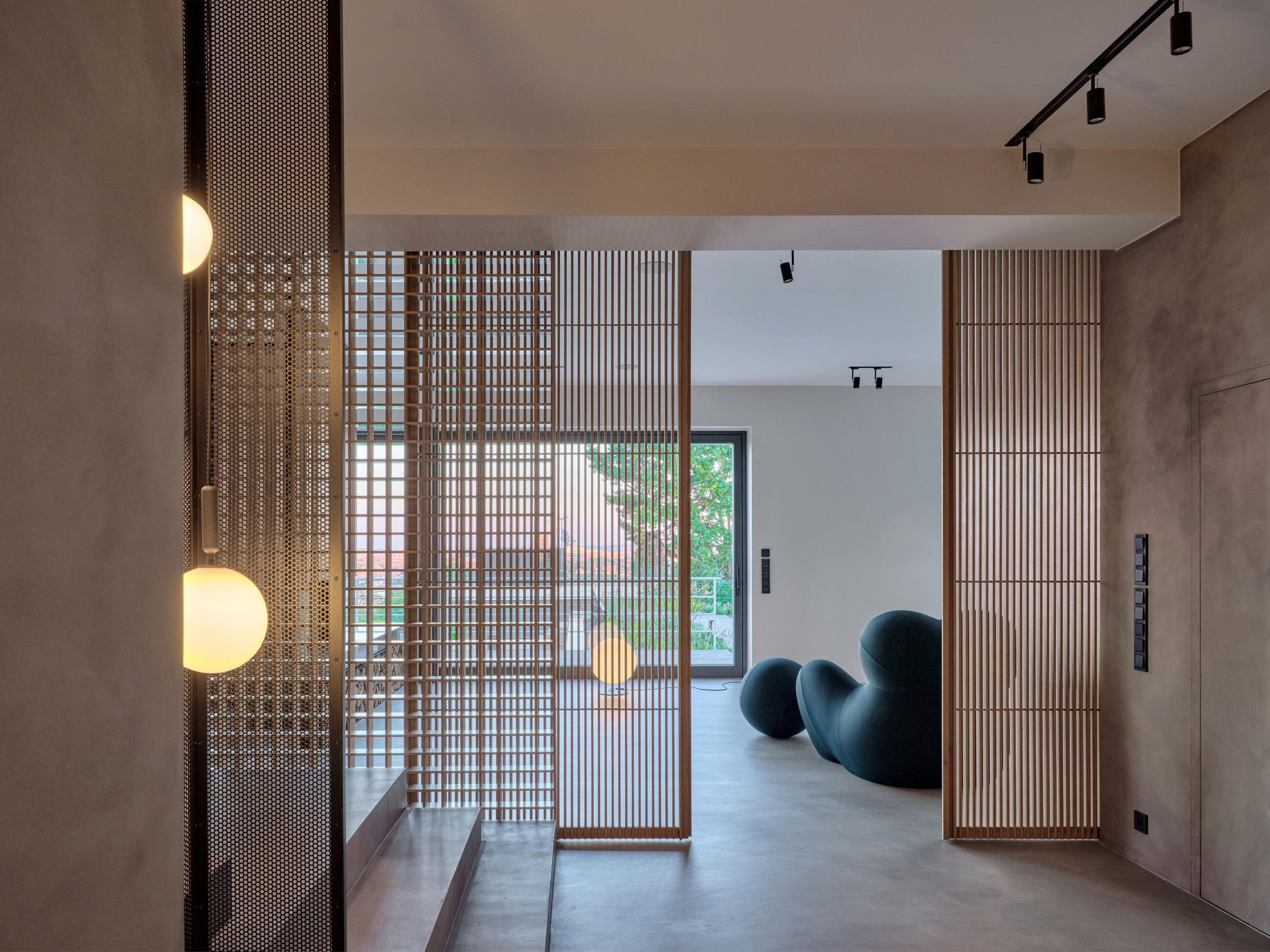
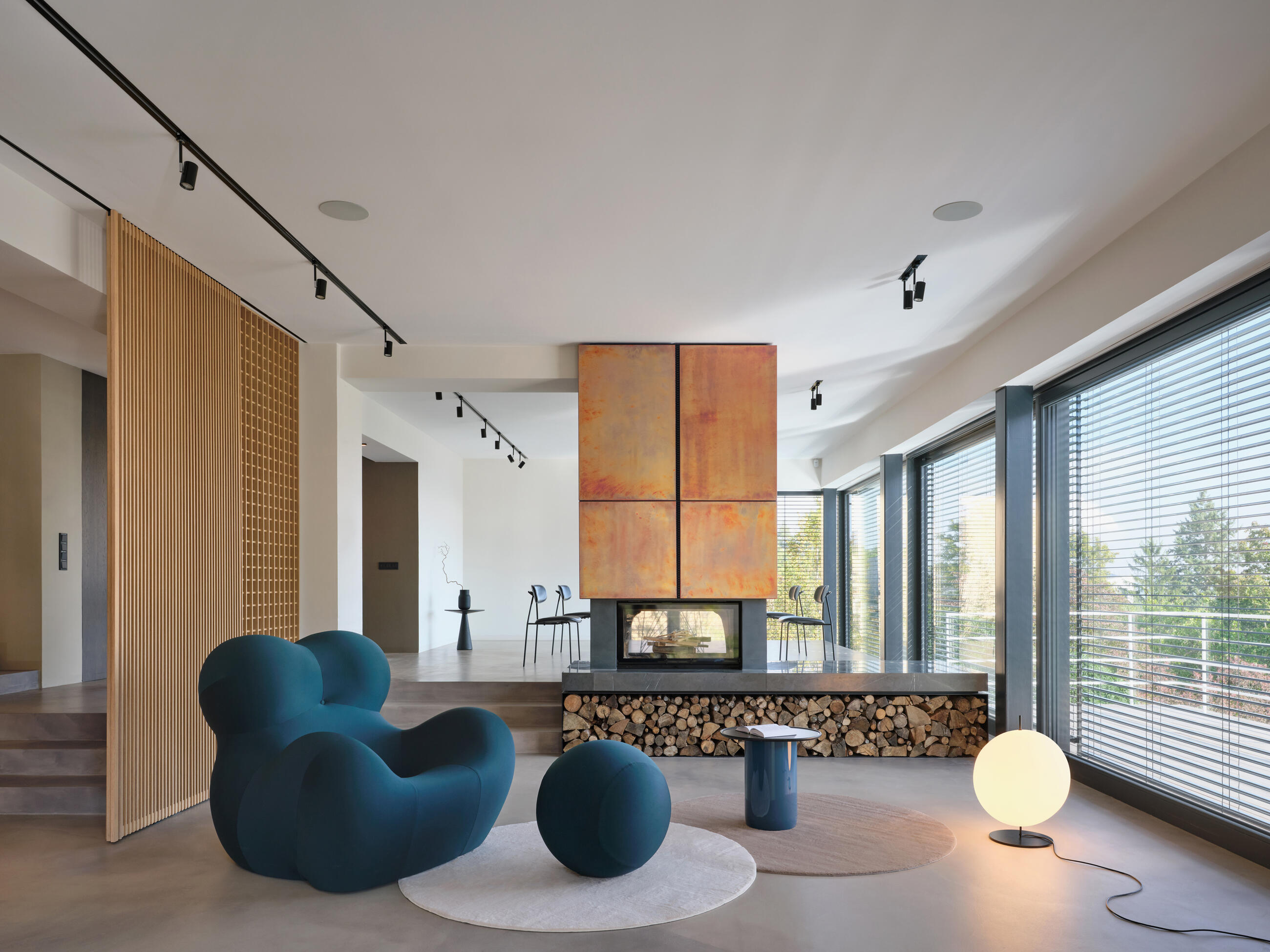
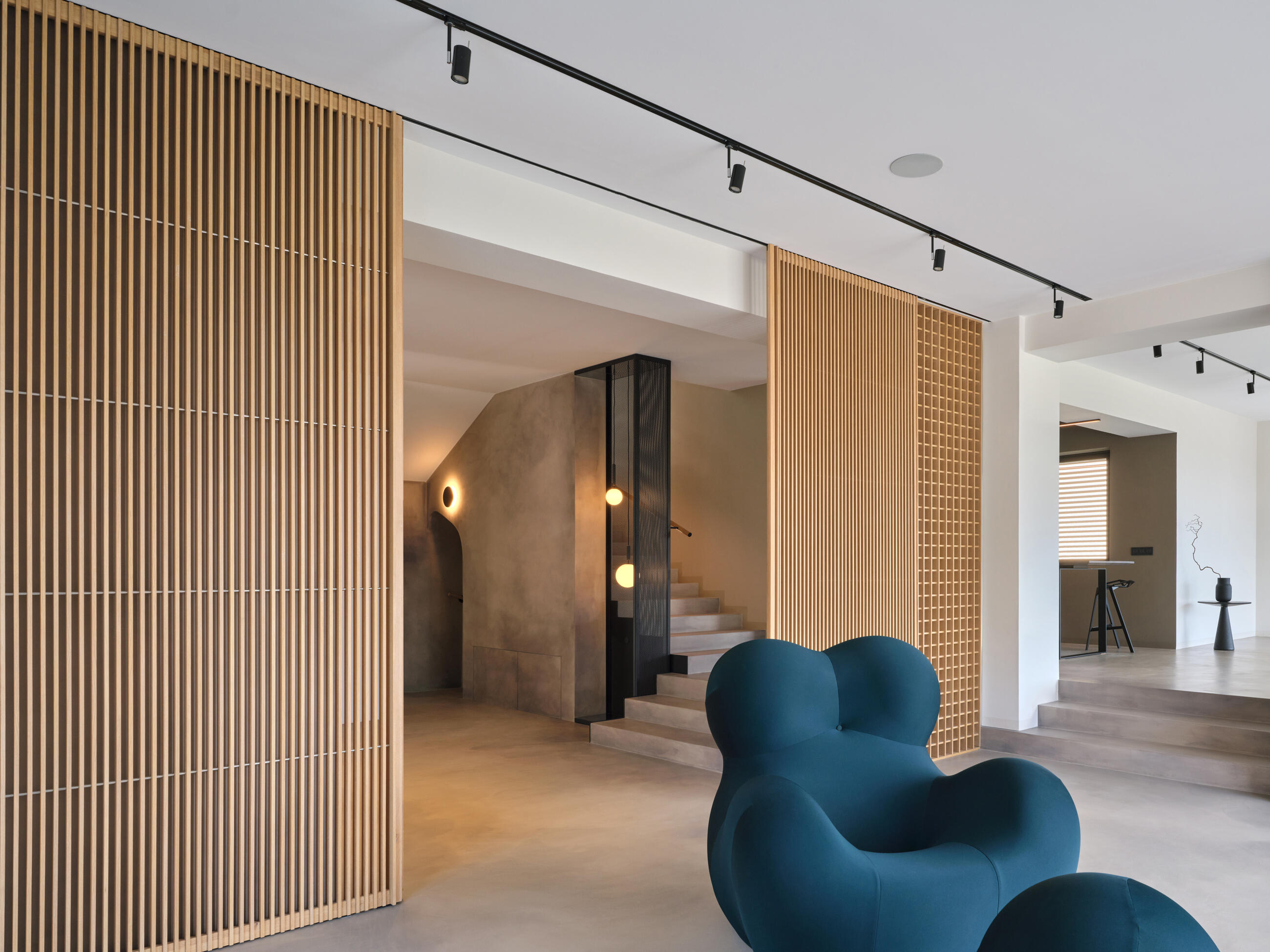
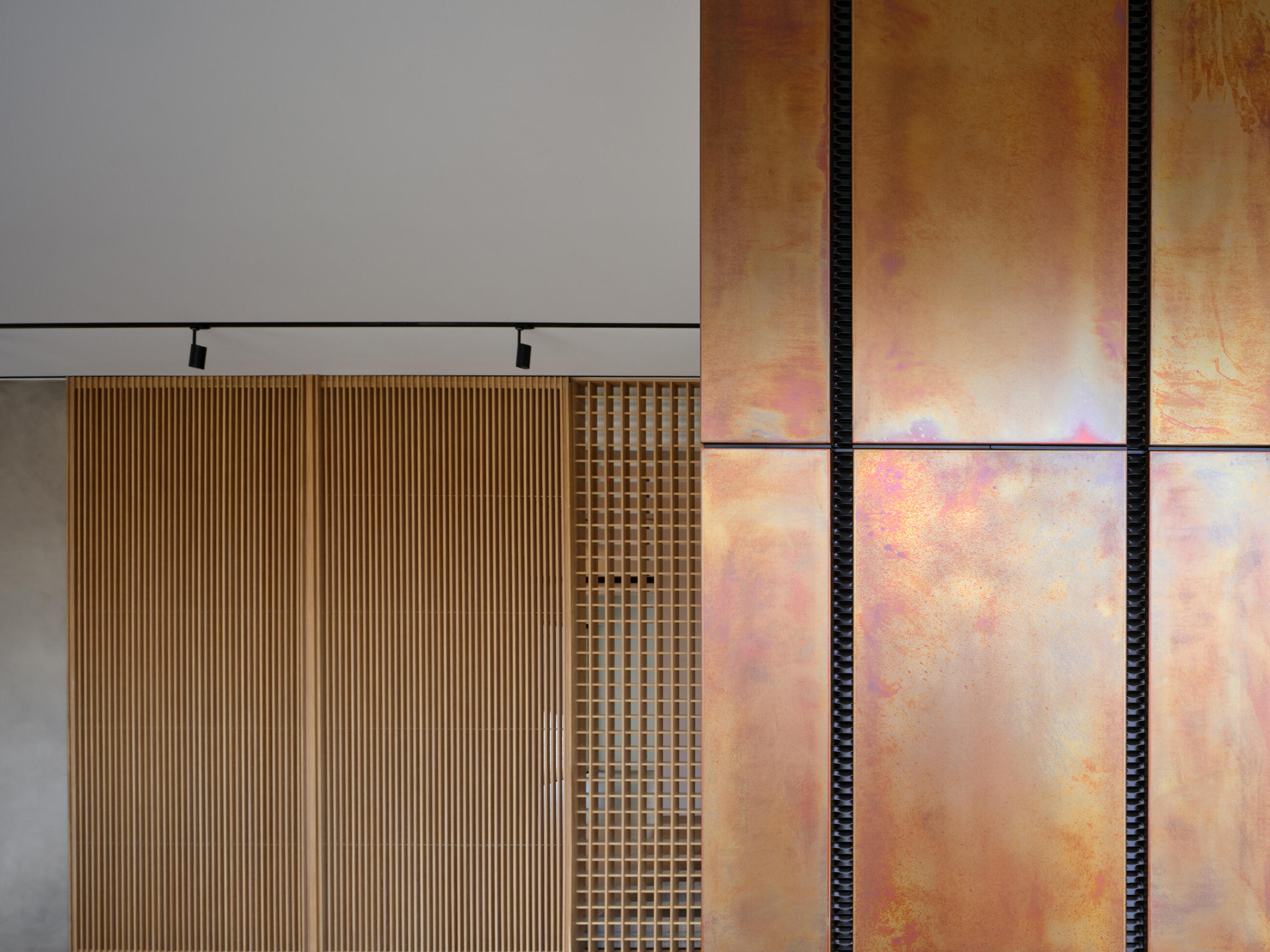
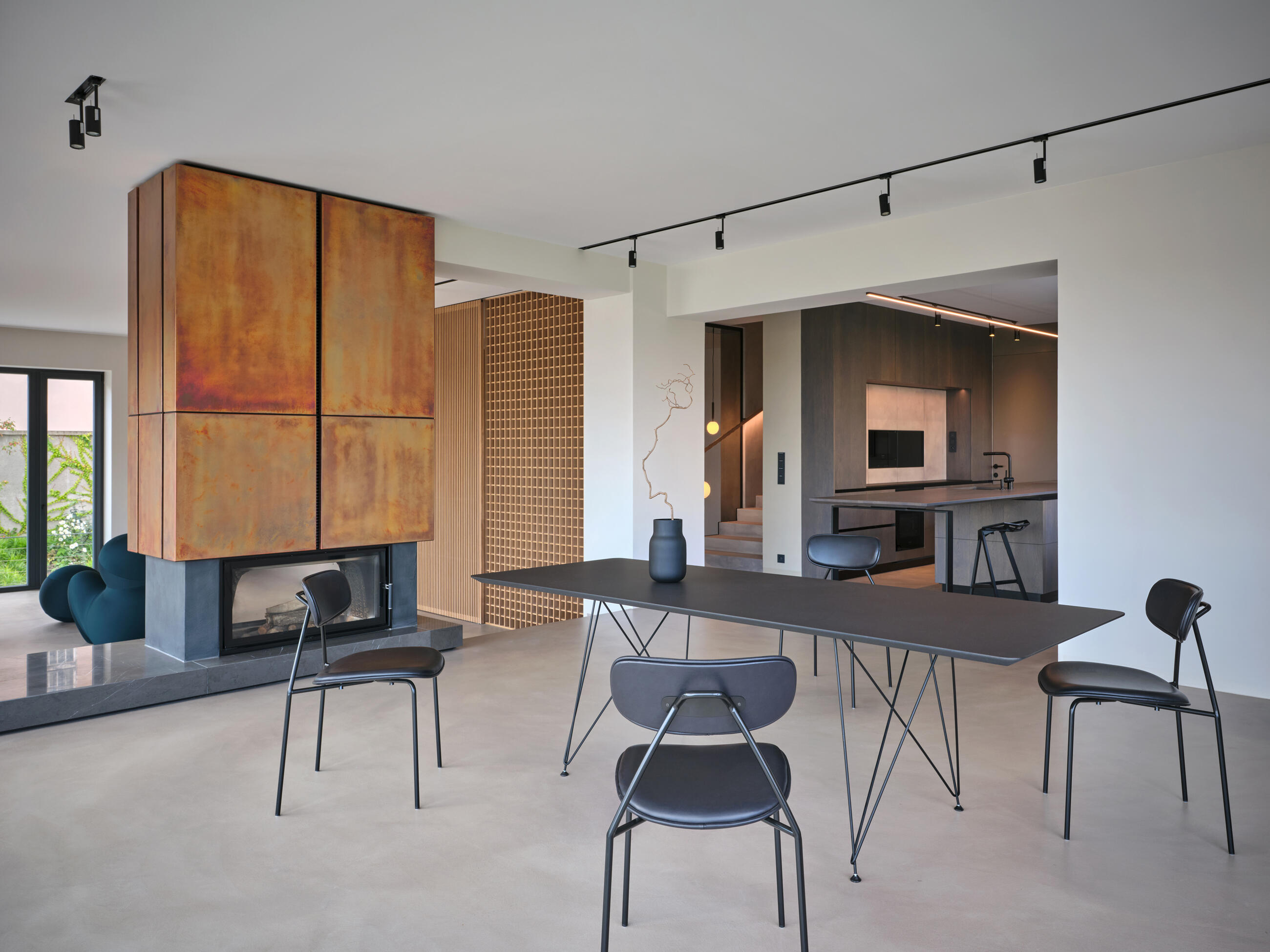
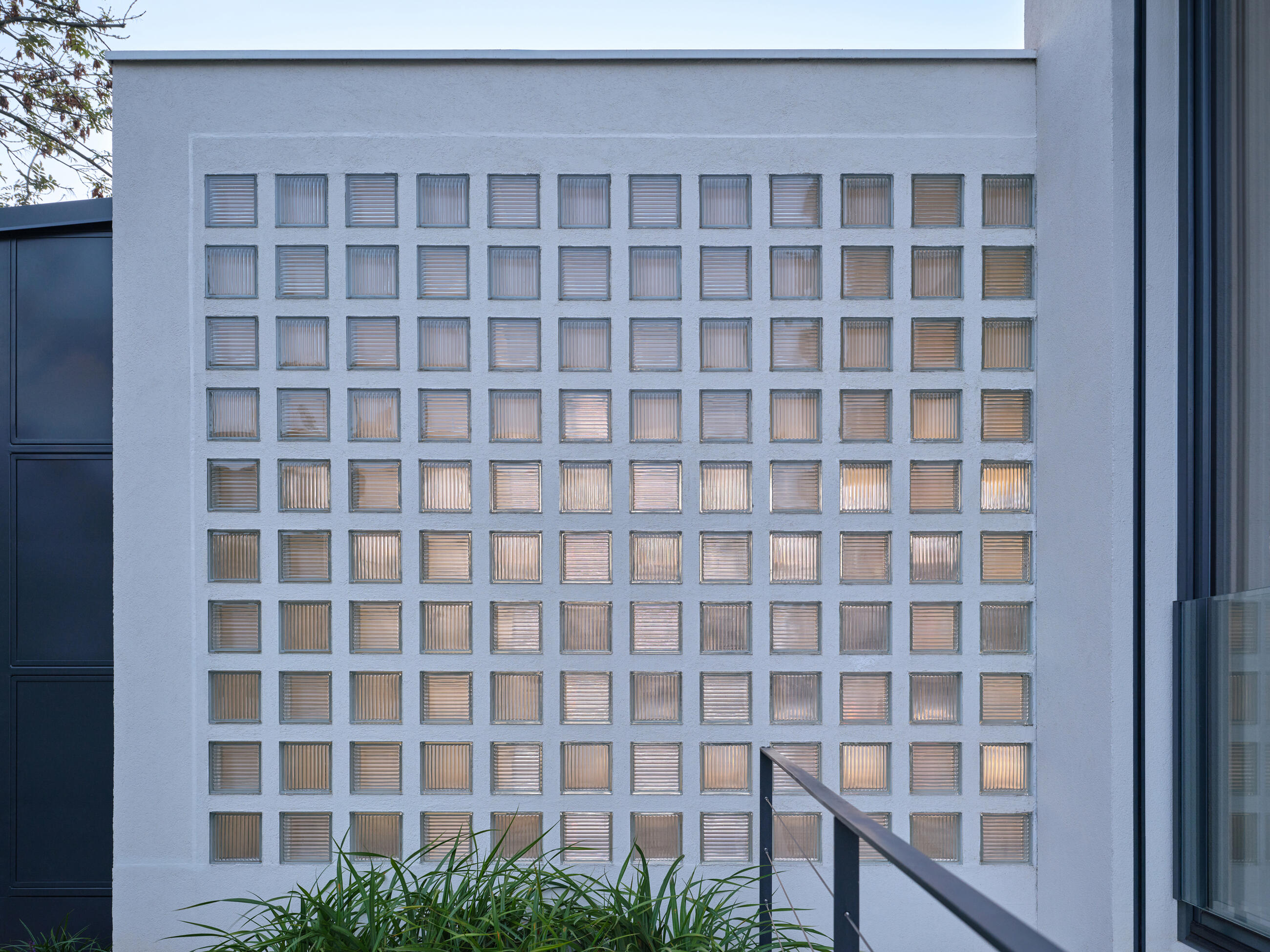
Towards the street, the house behaves in a rather closed manner – the small windows of the entrance façade create a sense of protection from the surrounding bustle. This makes the moment of entry all the stronger: after passing through the vestibule, the entrance hall opens up, visually connected to the living area, drawing the eye towards a wide panorama of Prague framed by a newly created horizontal strip window in the dining and living room. We wanted to consciously accentuate this principle of closing towards the street and opening towards the garden. At the same time, we were looking for a balance between opening the hall to the views and the possibility of separating it so that the living space could be protected from unwanted sightlines. We found the solution in a sliding partition made of slender wooden slats.
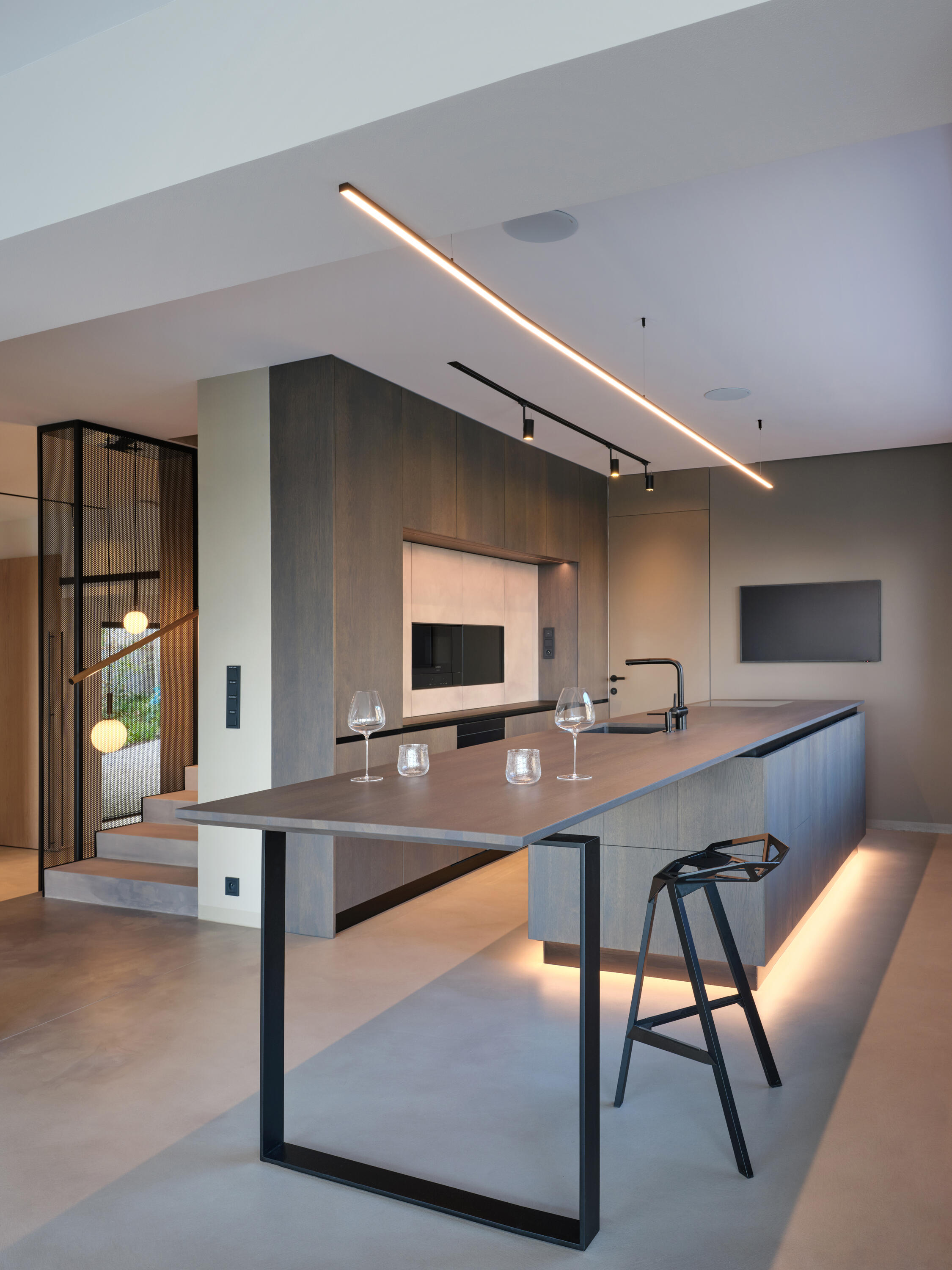
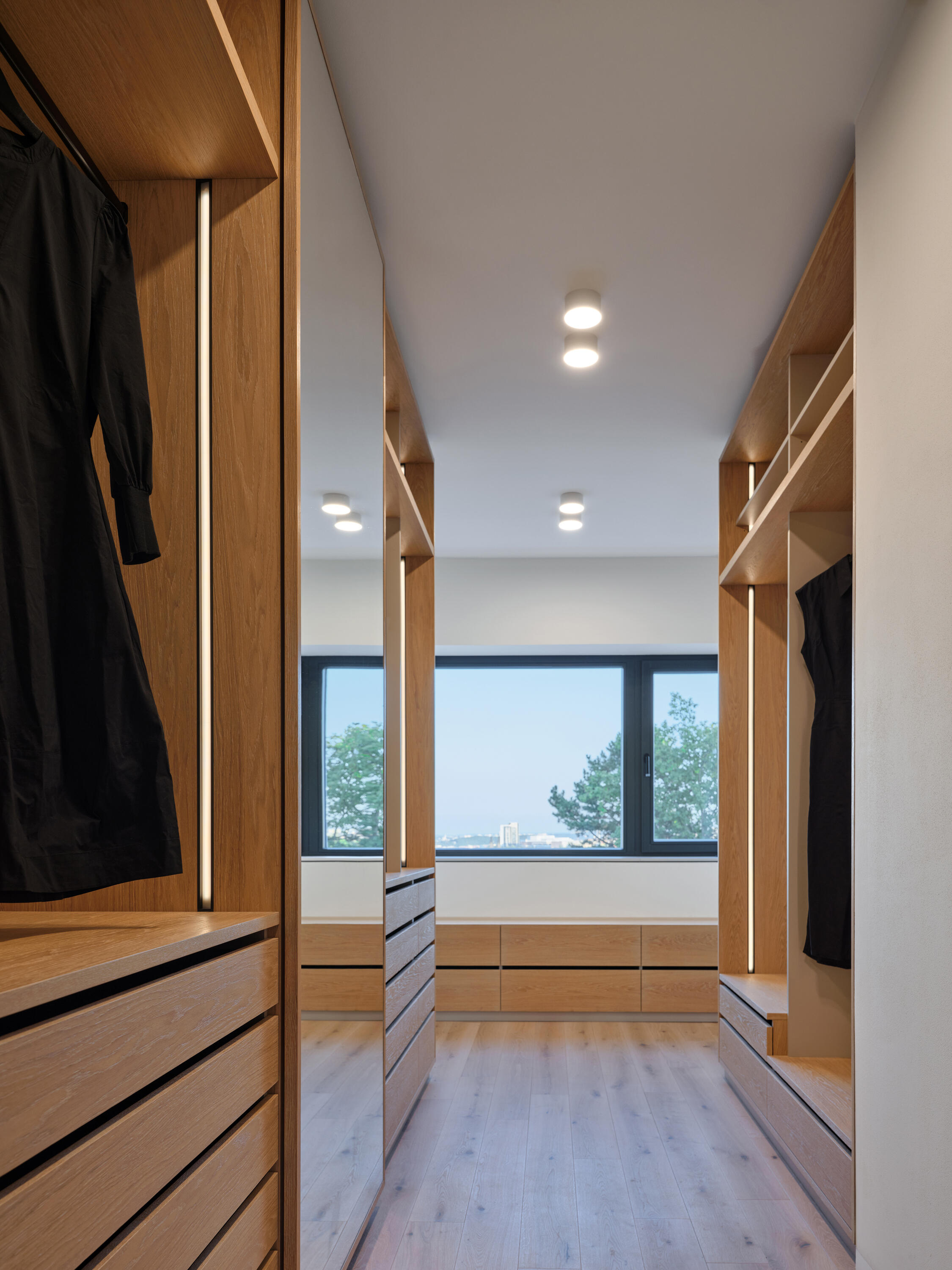
The spatial concept follows the logic of the original house. The ground floor is conceived as an open social zone, the upper floor forms an intimate living level, and the basement combines technical and habitable functions. Our aim was to connect rooms into larger functional units and to seek spatial relationships so that the resulting composition would feel natural.
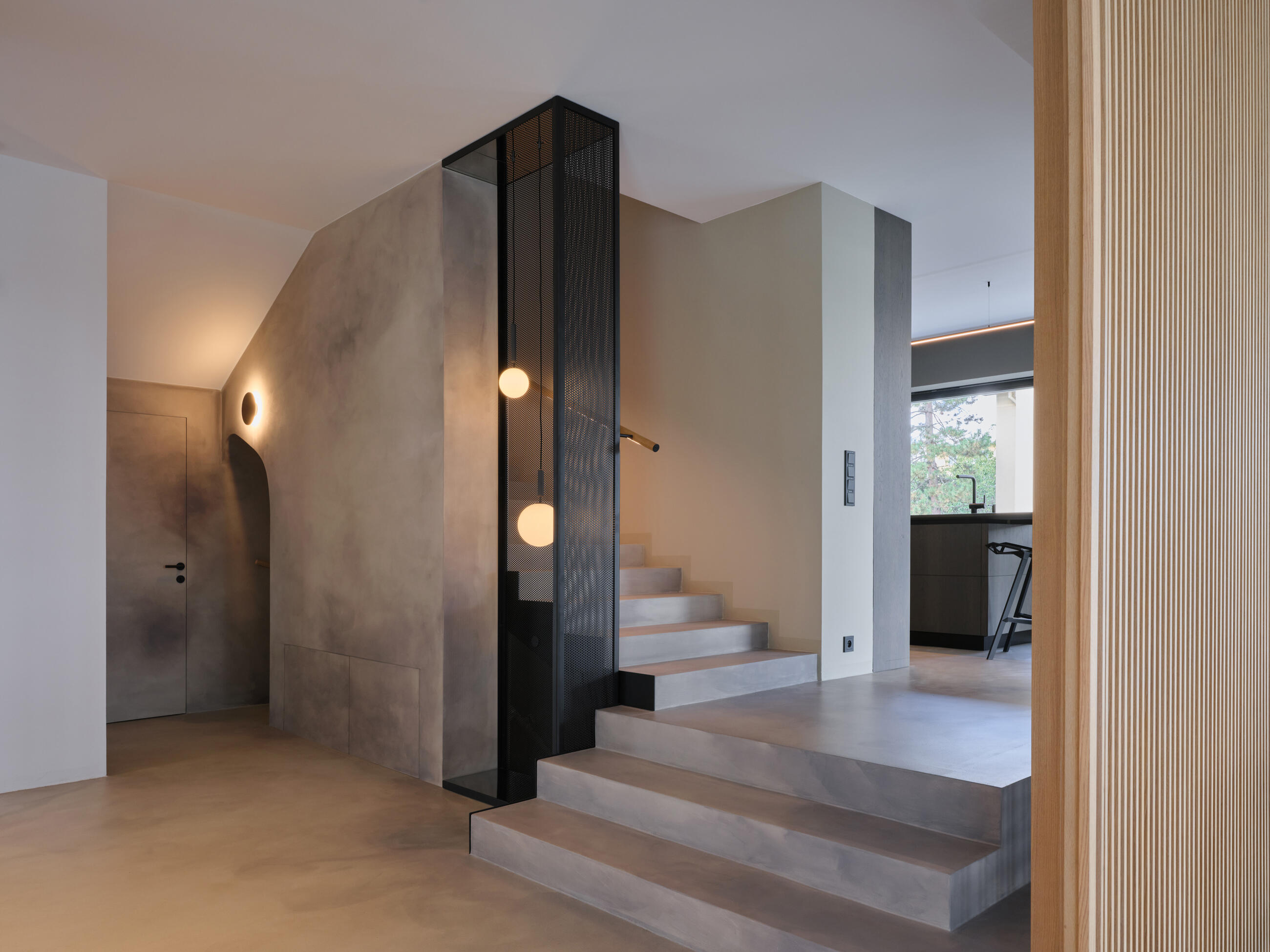
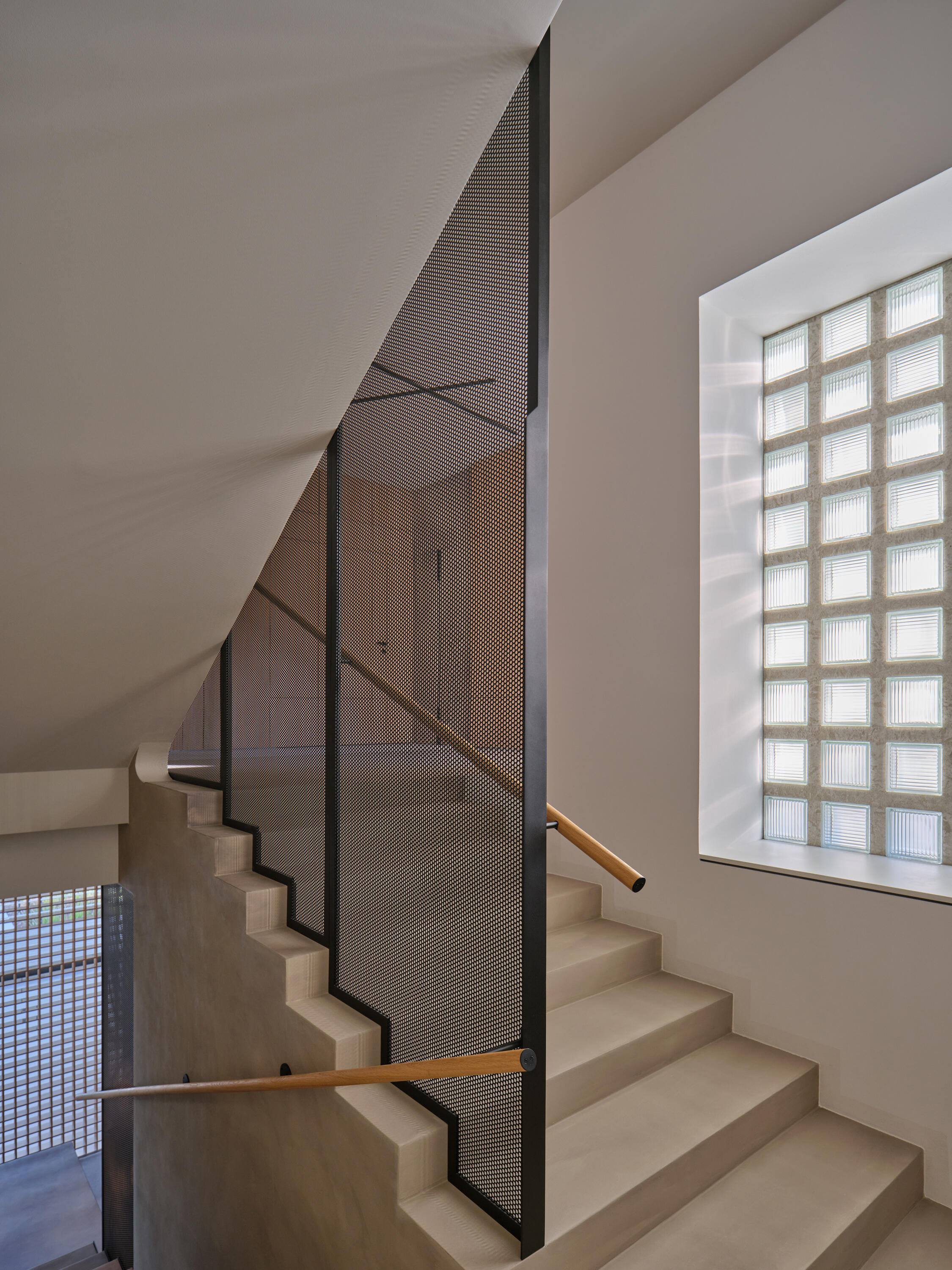
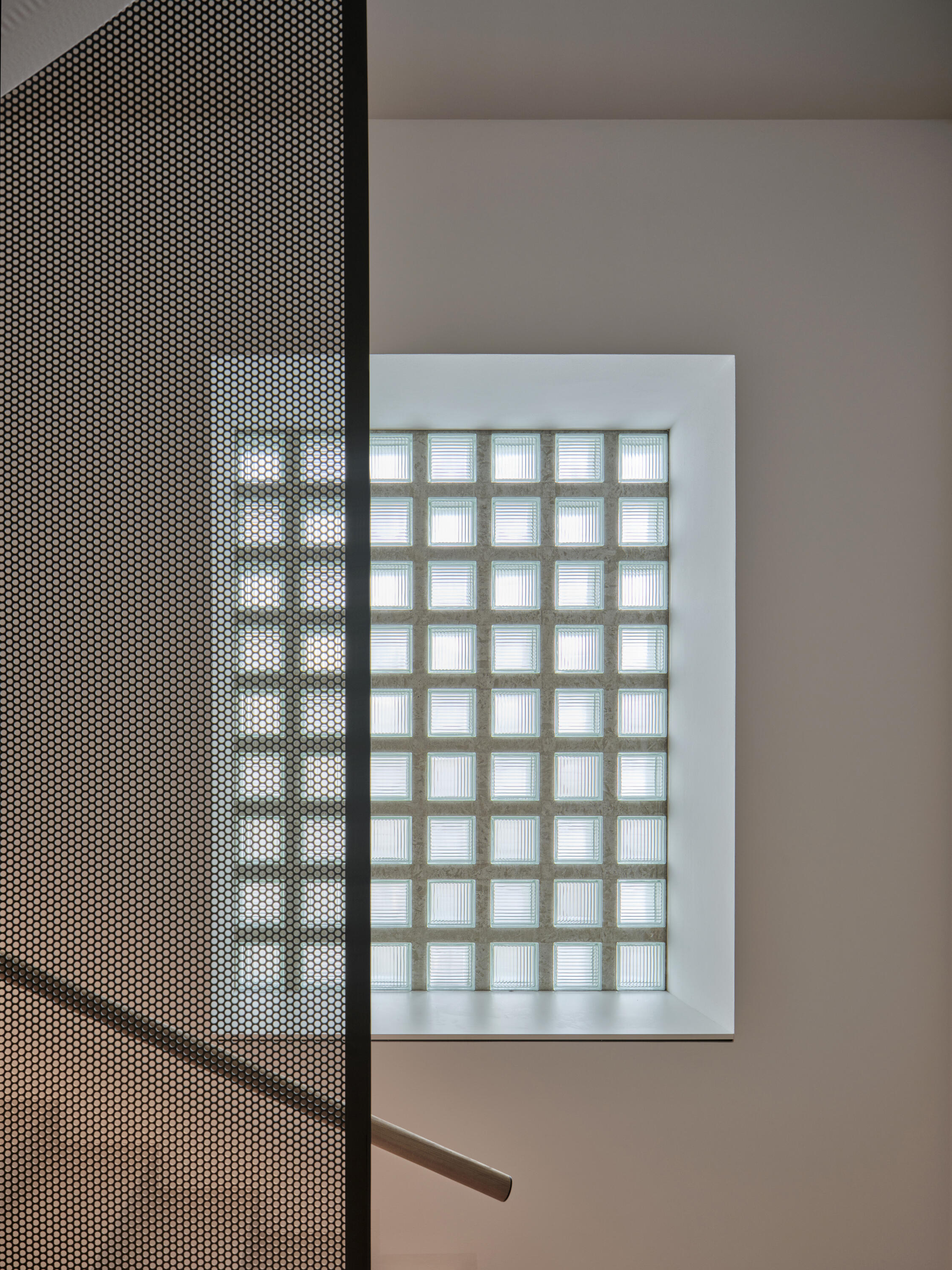
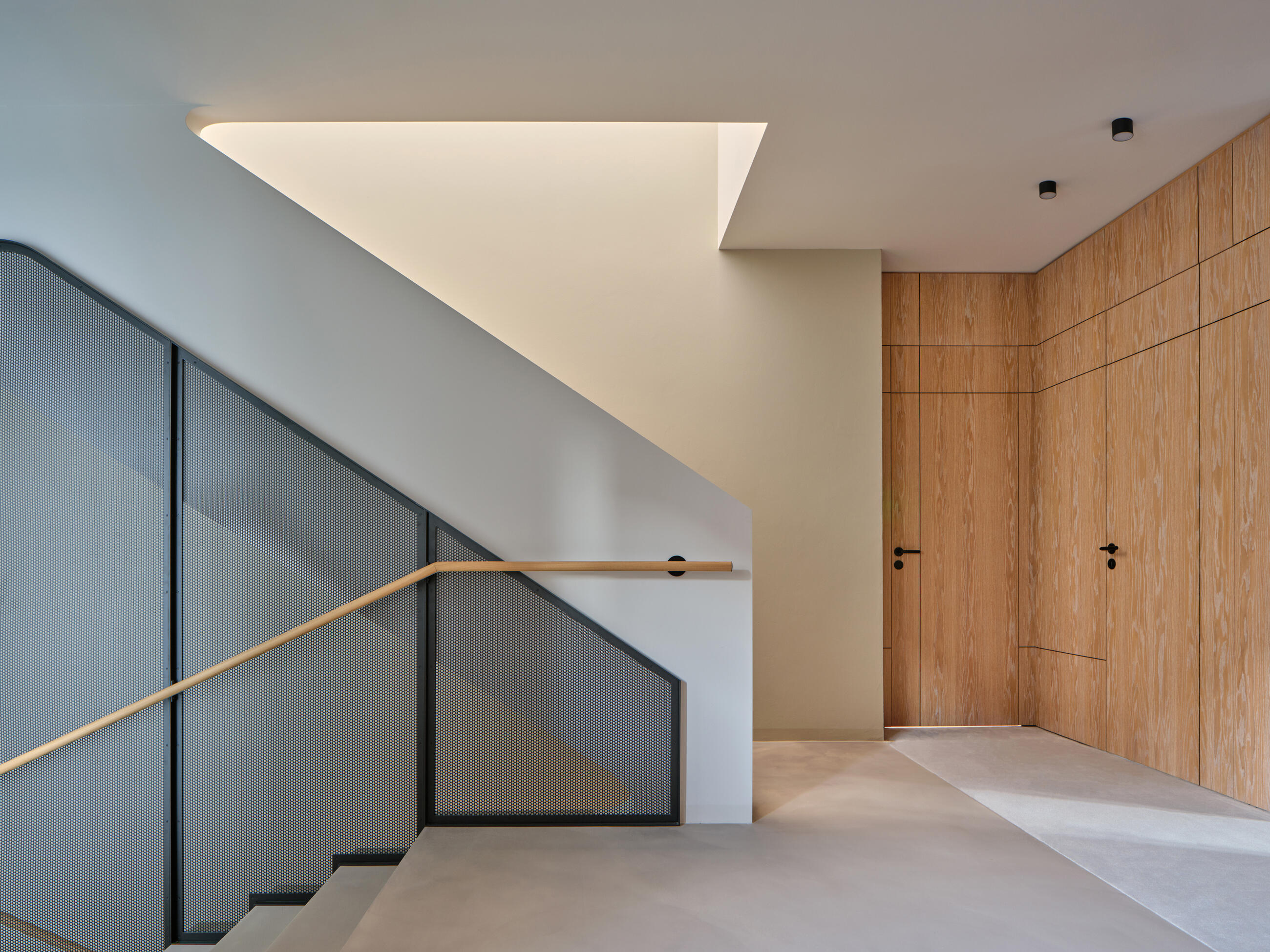
The reconstruction also worked with a number of given conditions that could not be changed. The different floor levels and the articulation of the structure thus did not become an obstacle, but a starting point for the design to which the interior responds with ease. A striking example was the formal and material unification of the original articulated staircase with newly added structural interventions. The new elements were designed to grow naturally from the character of the existing structure and not to disrupt the continuity of the space.
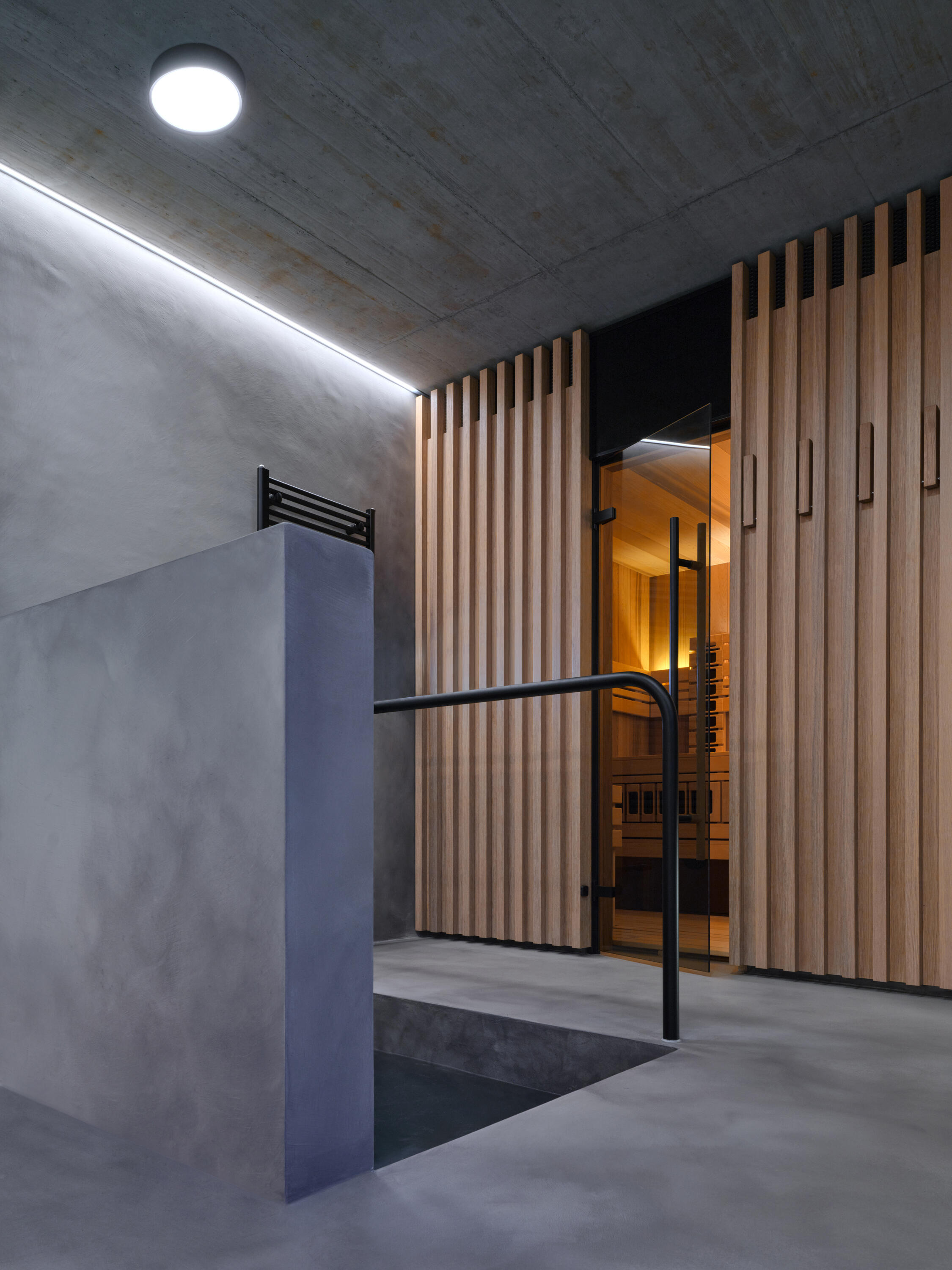
The material concept is based on the original rationality of the building. Exposed concrete elements and mineral finishes underscore the austerity of the space, while oak floors in the living levels bring the necessary calm. The interior works with a restrained material palette that supports a sense of tranquillity and cohesion.
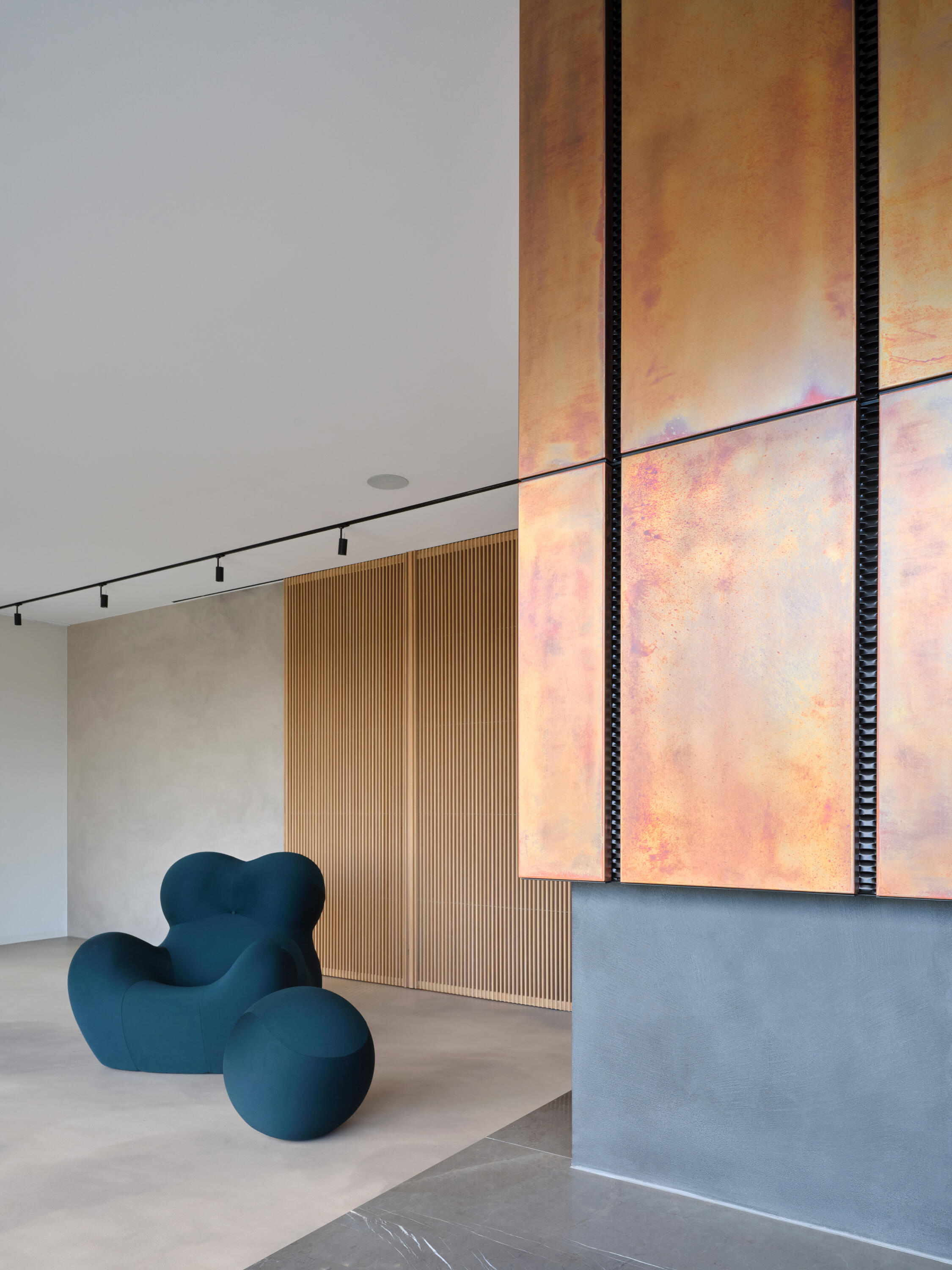
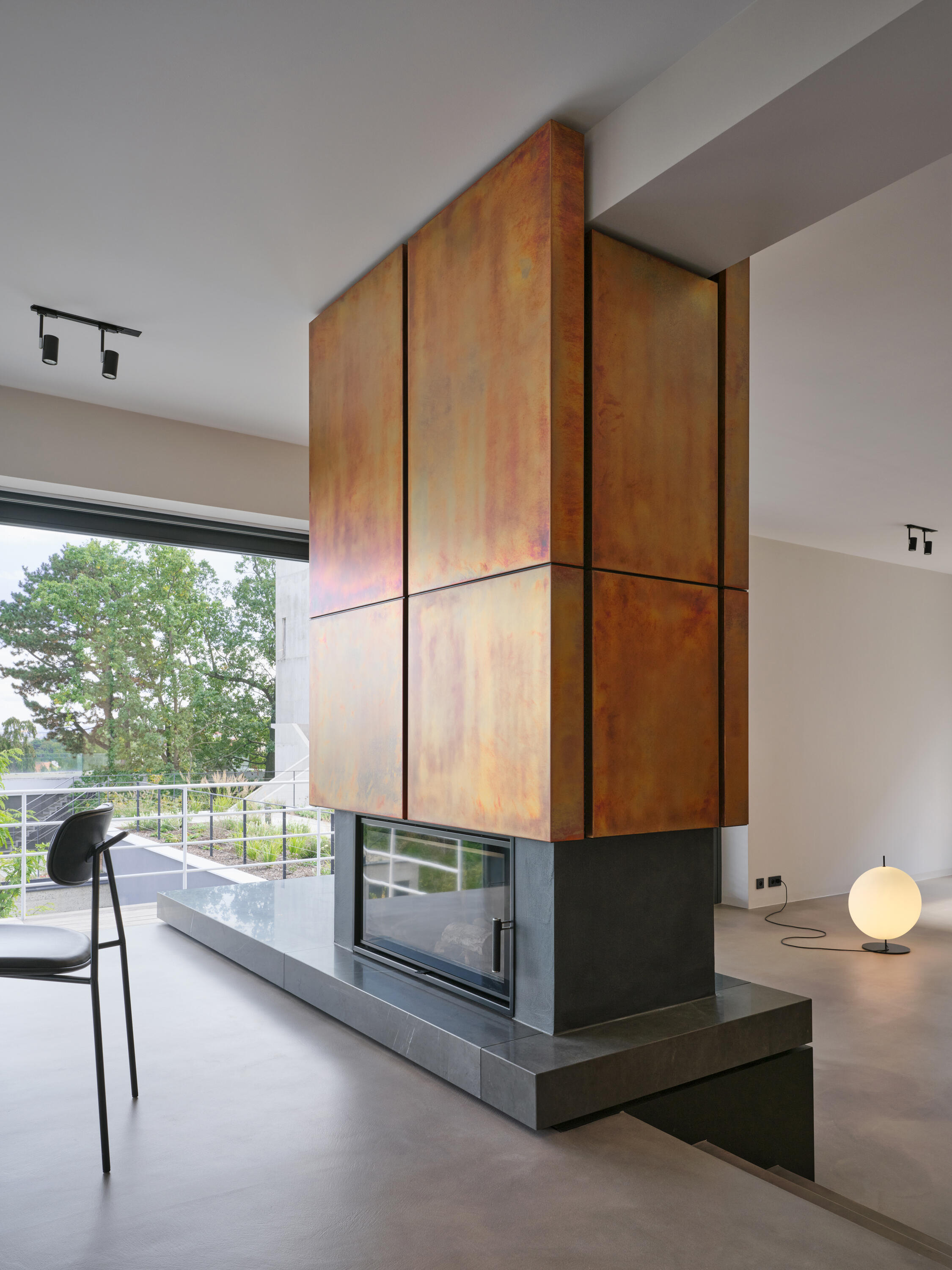
Fireplaces became a strong motif of the interior. One is located on the ground floor, where it naturally articulates the relationship between the living room and the dining area; the other is on the top floor. Both are complemented by slender metal structures responding to the proportions of the space. Their cladding in patinated copper, realized by DURO DESIGN, gives them a freestanding, almost sculptural character and reinforces their role as expressive accents within the interior.
| Download | |
|---|---|
| Studio | Tunicate |
| Author | Jan Roučka, Dana Szabó [Tunicate], interior design Vít Košťál [KST Architects], house reconstruction design |
| Website | www.tunicate.cz |
| Social media | www.instagram.com/tunicate_studio |
| Co-author | Martina Homolková, concept phase |
| Project country | Czech Republic |
| Completion year | 2025 |
| Built-up area | 433 m² |
| Gross floor area | 851 m² |
| Usable floor area | 655 m² |
| Photographer | BoysPlayNice |
| Collaborators and suppliers | Metalwork elements and fireplace cladding: DURO DESIGN Author of the building: KST architekti Construction project: SPS projekt Project manager for the investor: Aspira Development Carpentry elements: Dřevostyl Interior doors, wooden lattice cladding, grilles and sliding screens: Sollus nábytek Floor and wall coatings: Different Design Metalwork elements: Richard BOLD Stone cladding and flooring travertine: Sates Čechy Stone benches marble and granite: JEŽ kamenické práce Mono Oval concrete washbasin: ŠVEC Beton Electrical installation and end components: DVF Bohemia Fireplace inserts and technical accessories: KOMÍNY Dobrý tah Shading: Pavel Žert Patinated painting finishes: Artdecor Garden: Atelier Flera |
| Featured brands | Dorsis B&B Italia Baxter De Padova Magis GSI Antonio Lupi Bongio JUNG M&T P.M.H. Design Polysan TECE Tres Grifería |