Casa al Pradet
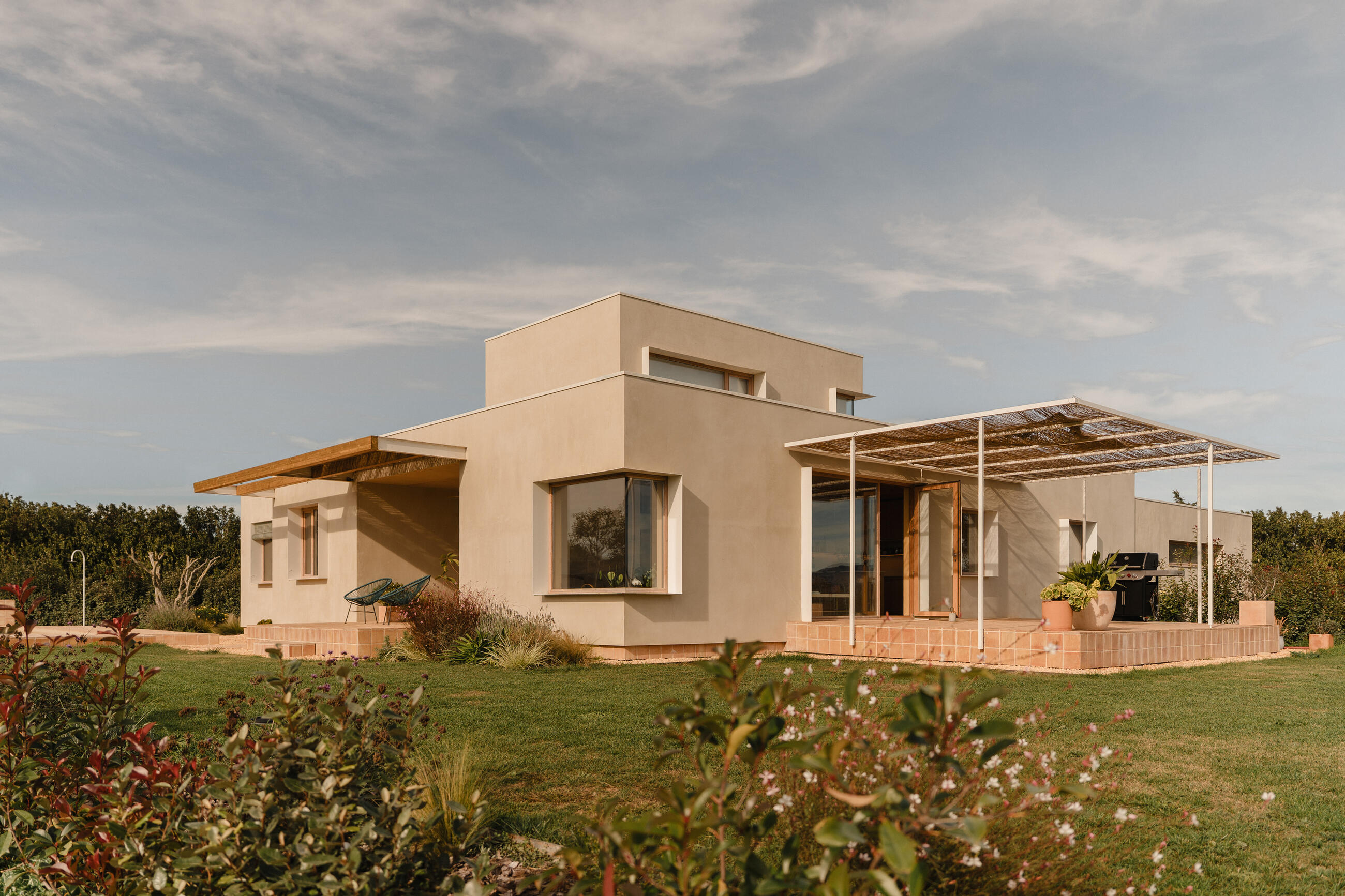
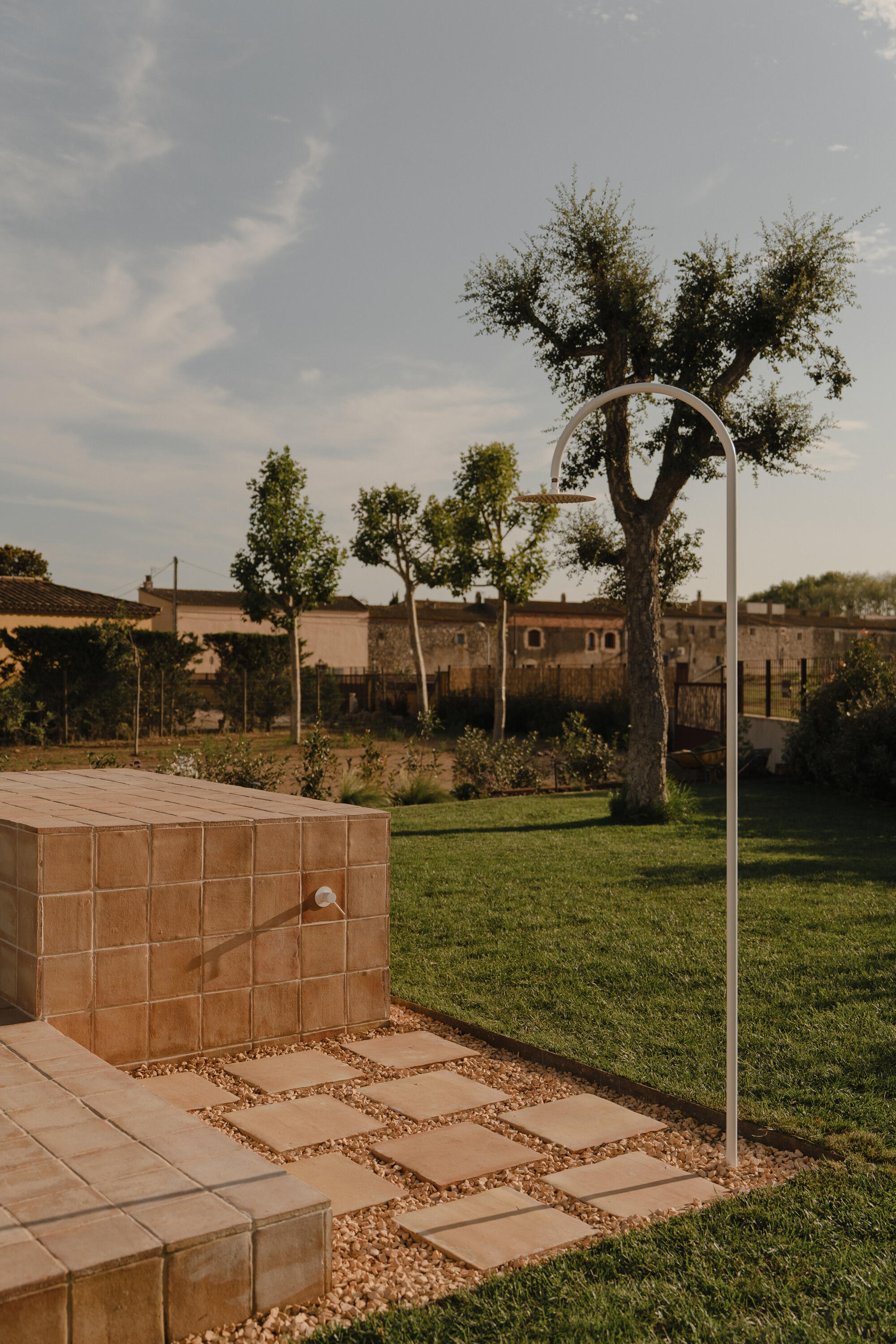
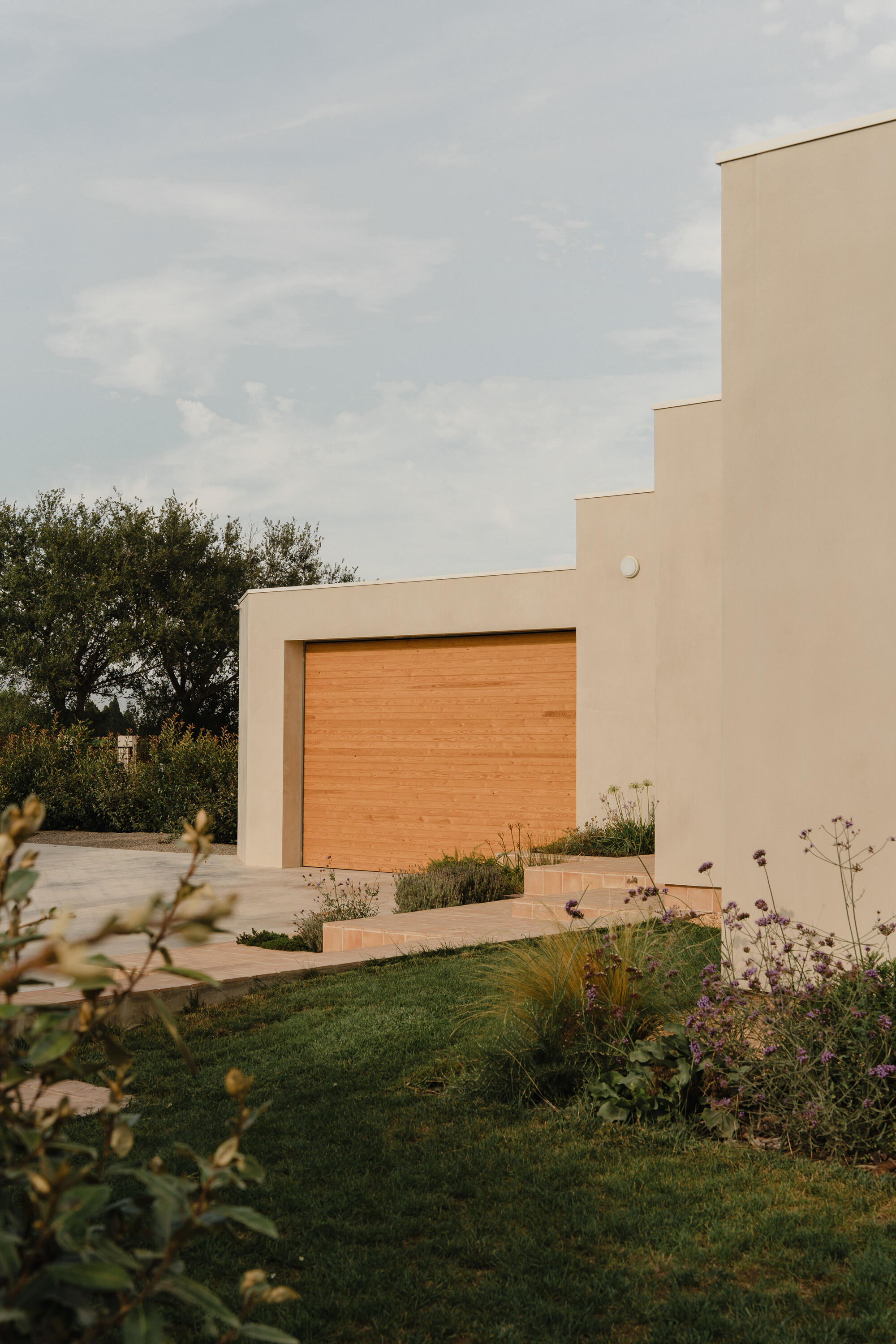
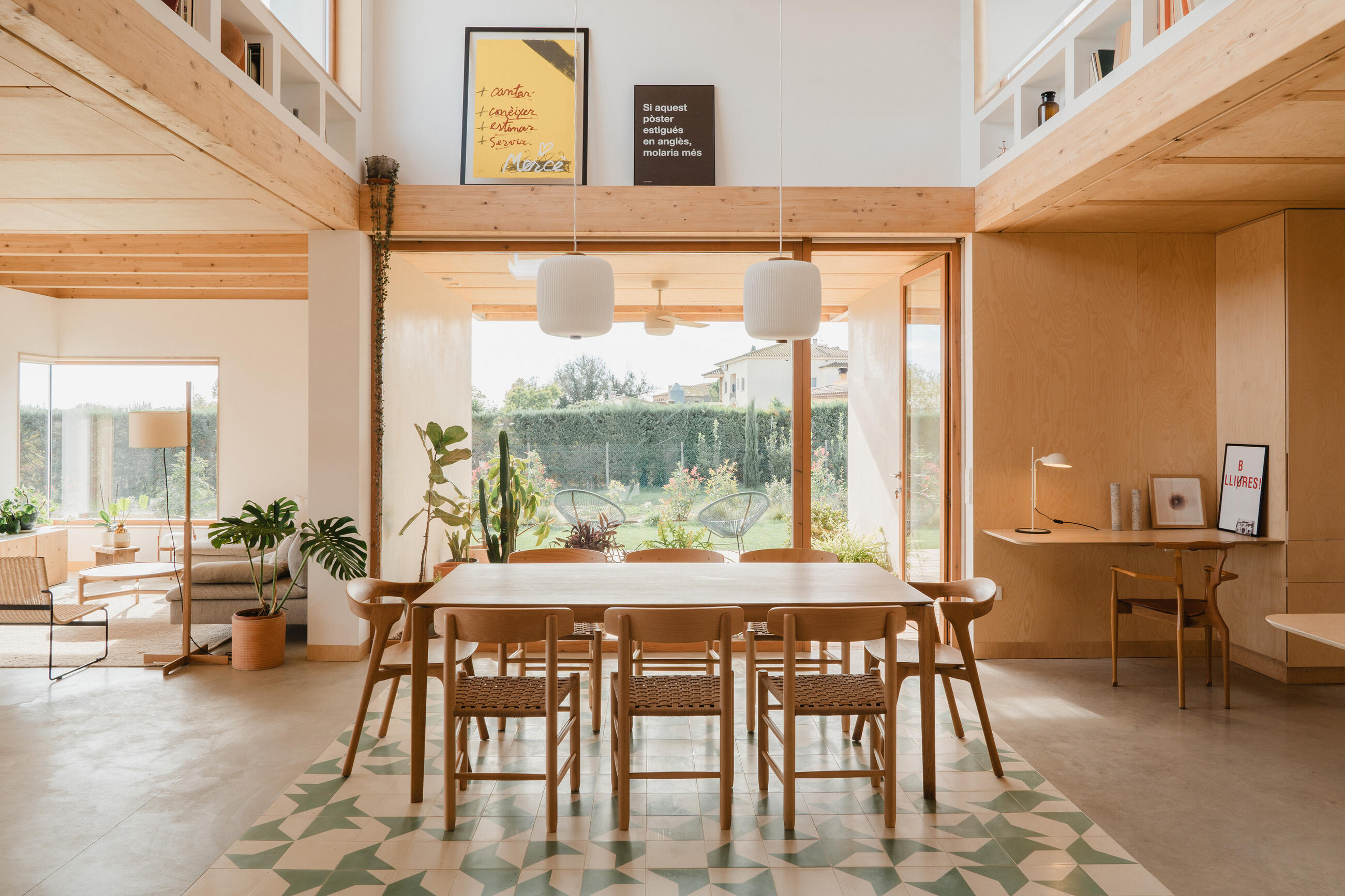
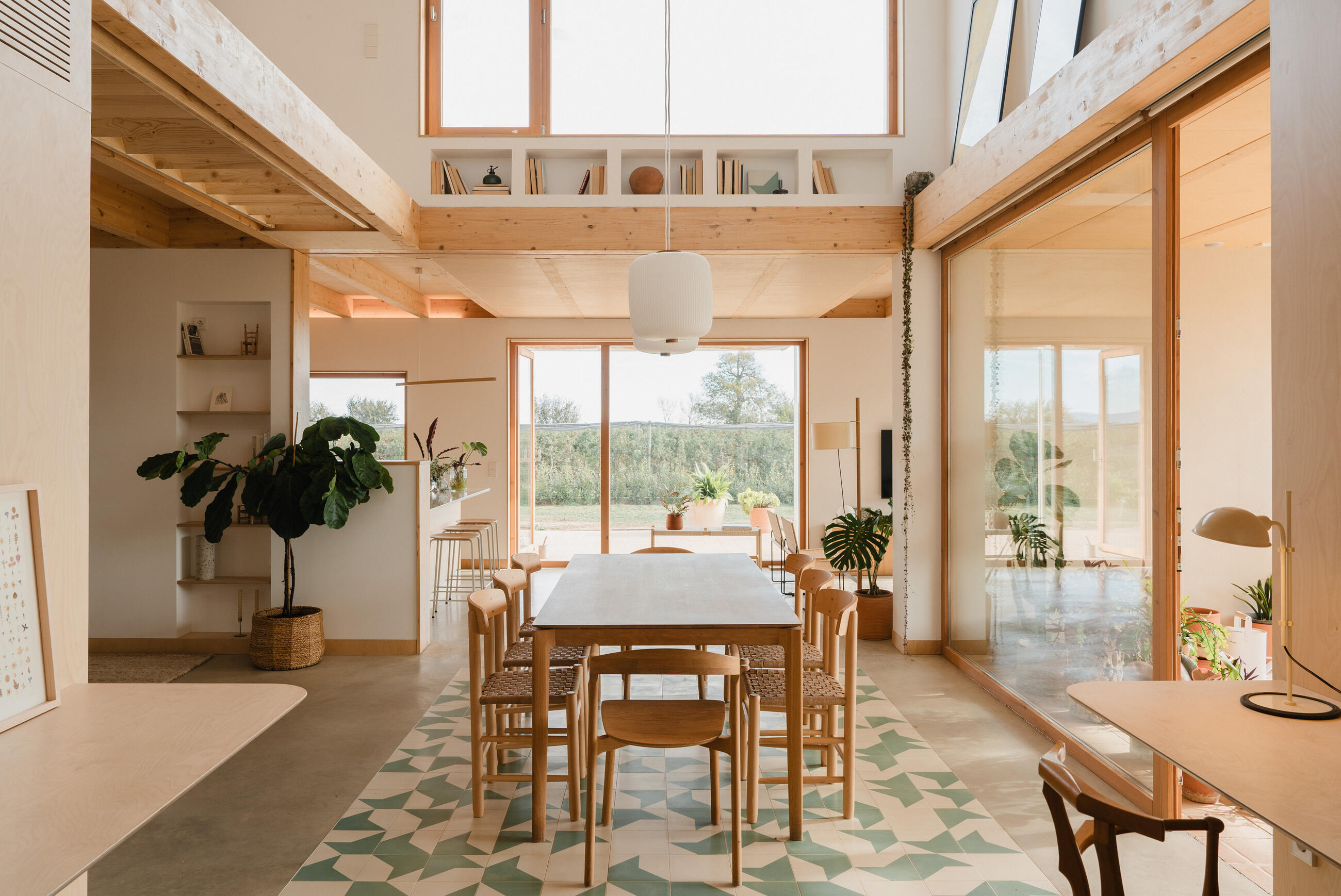
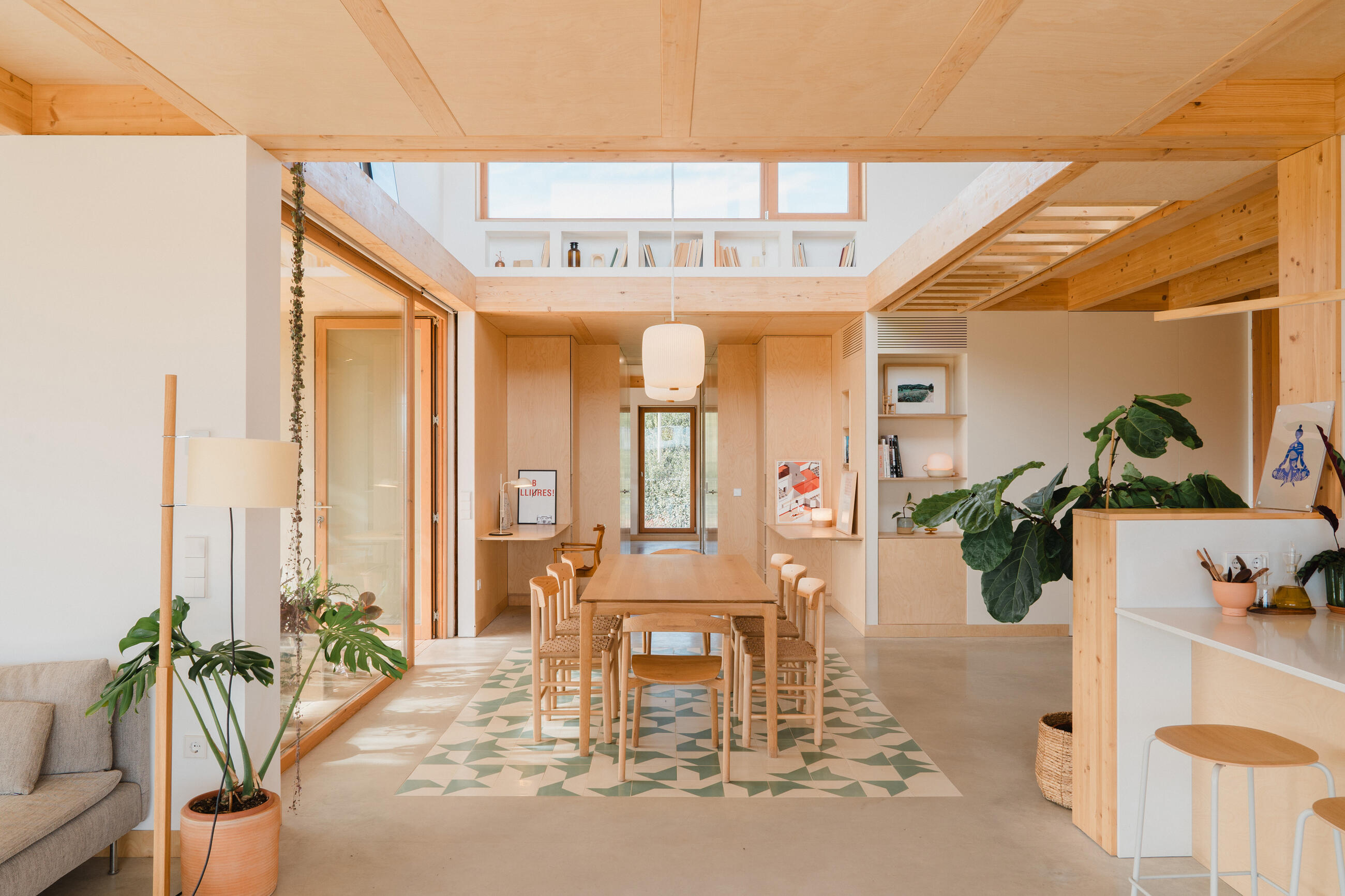
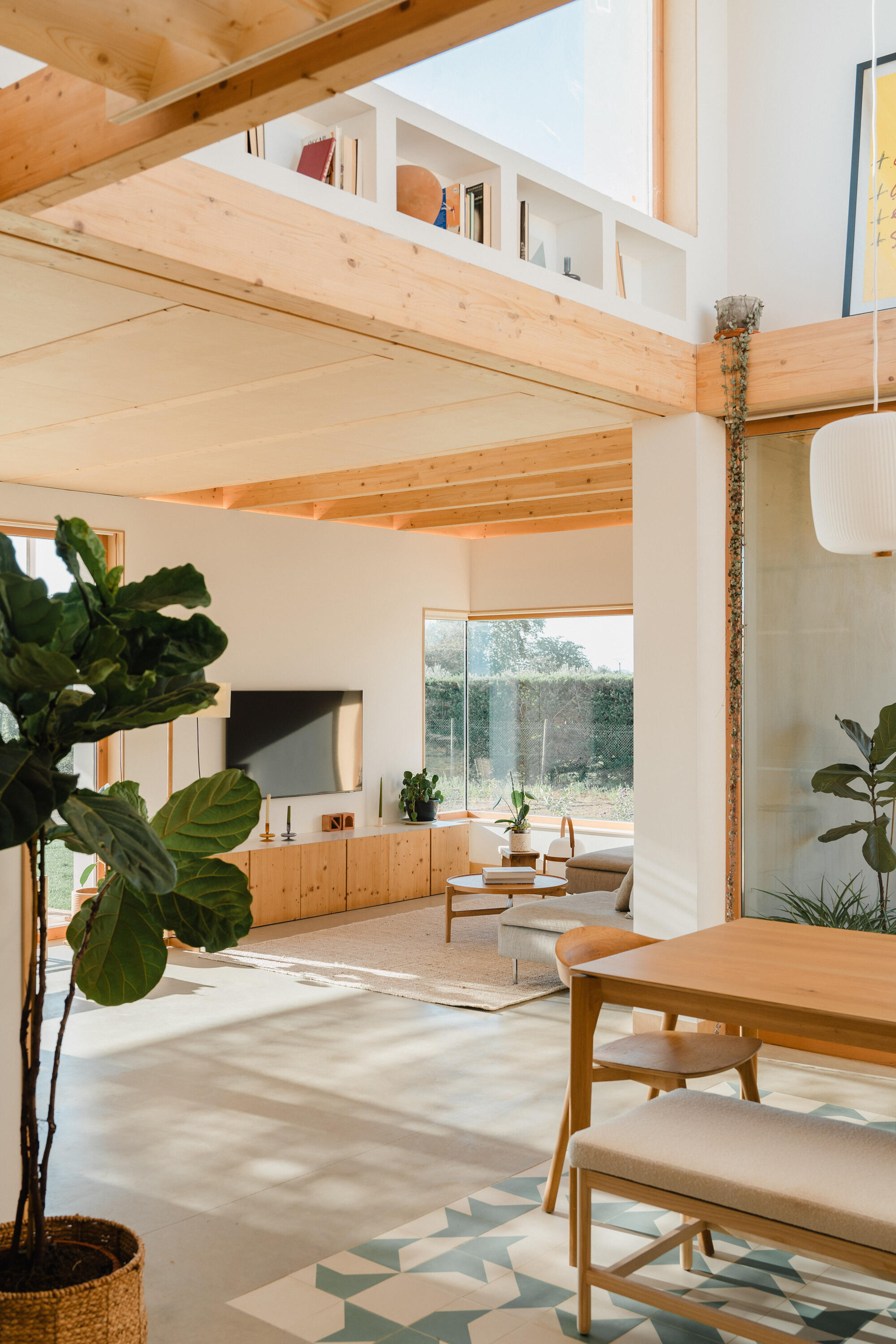
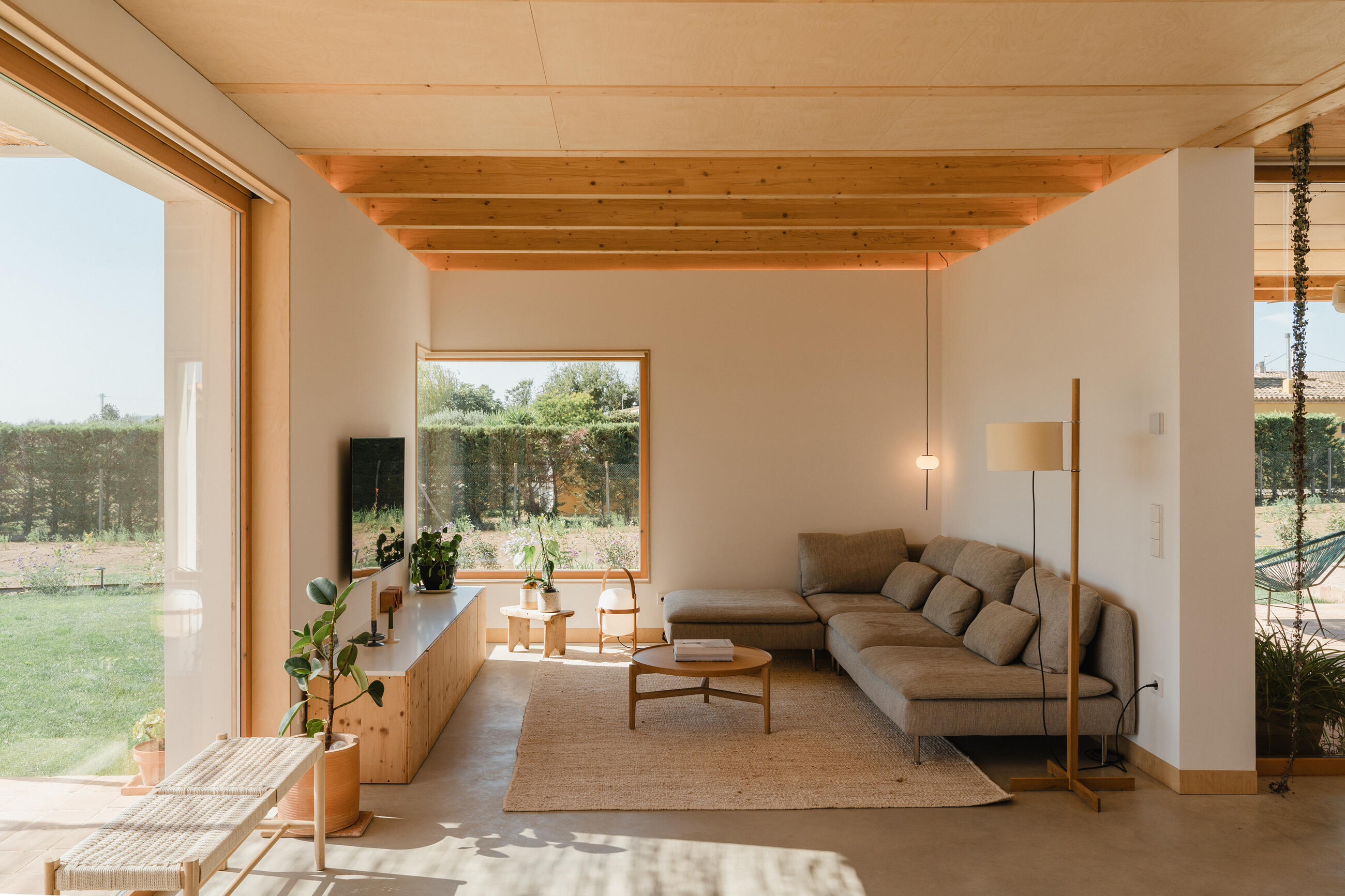
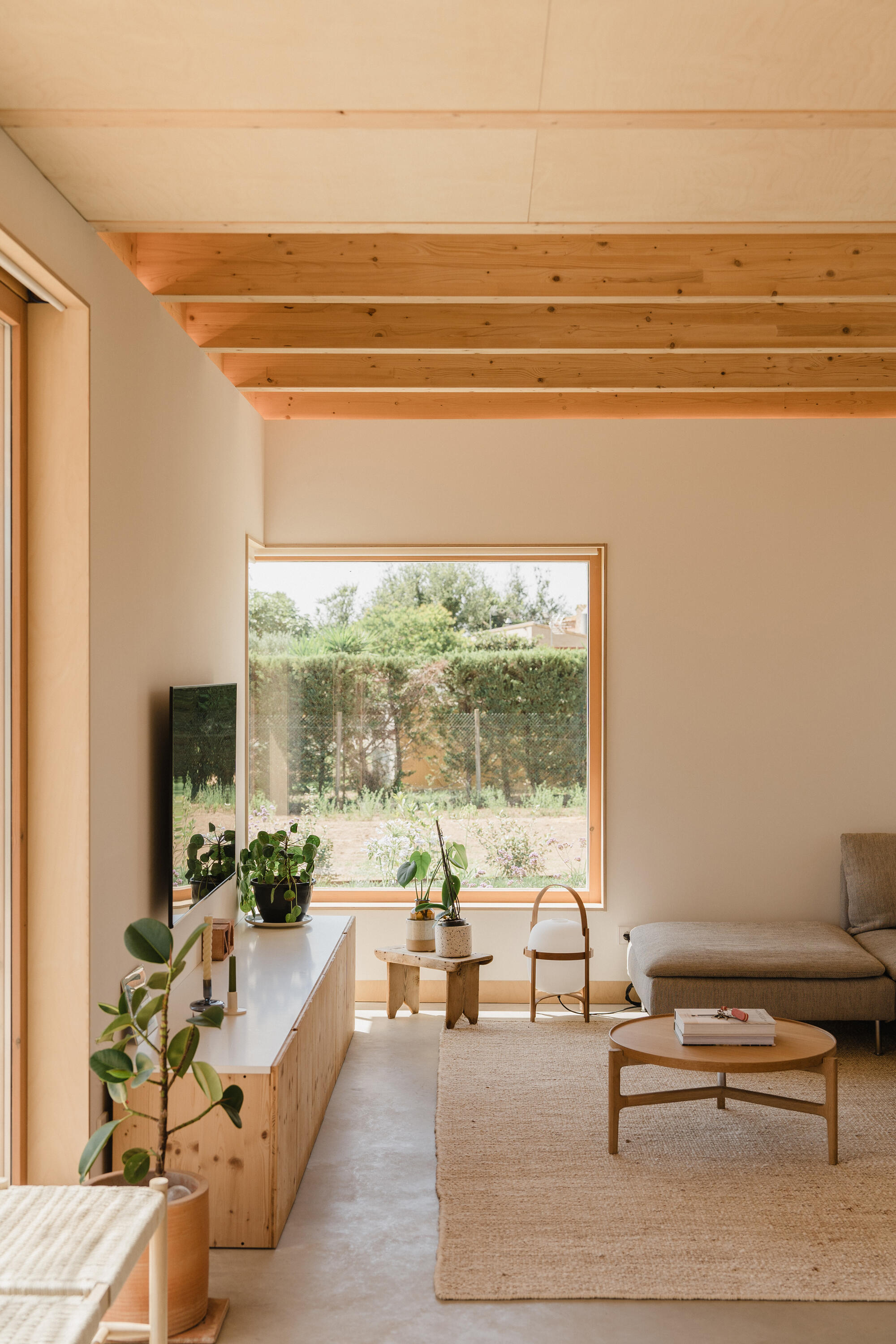
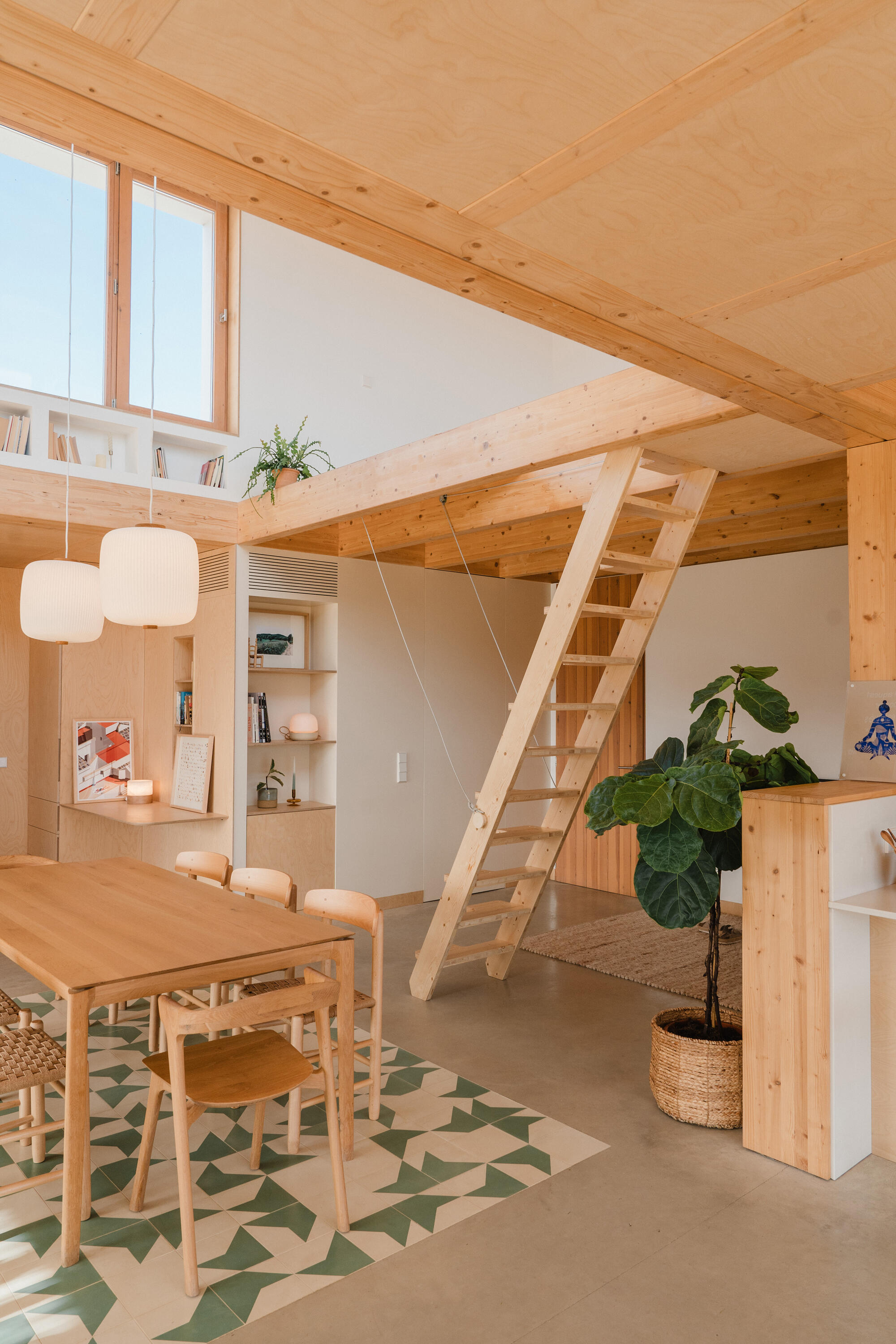
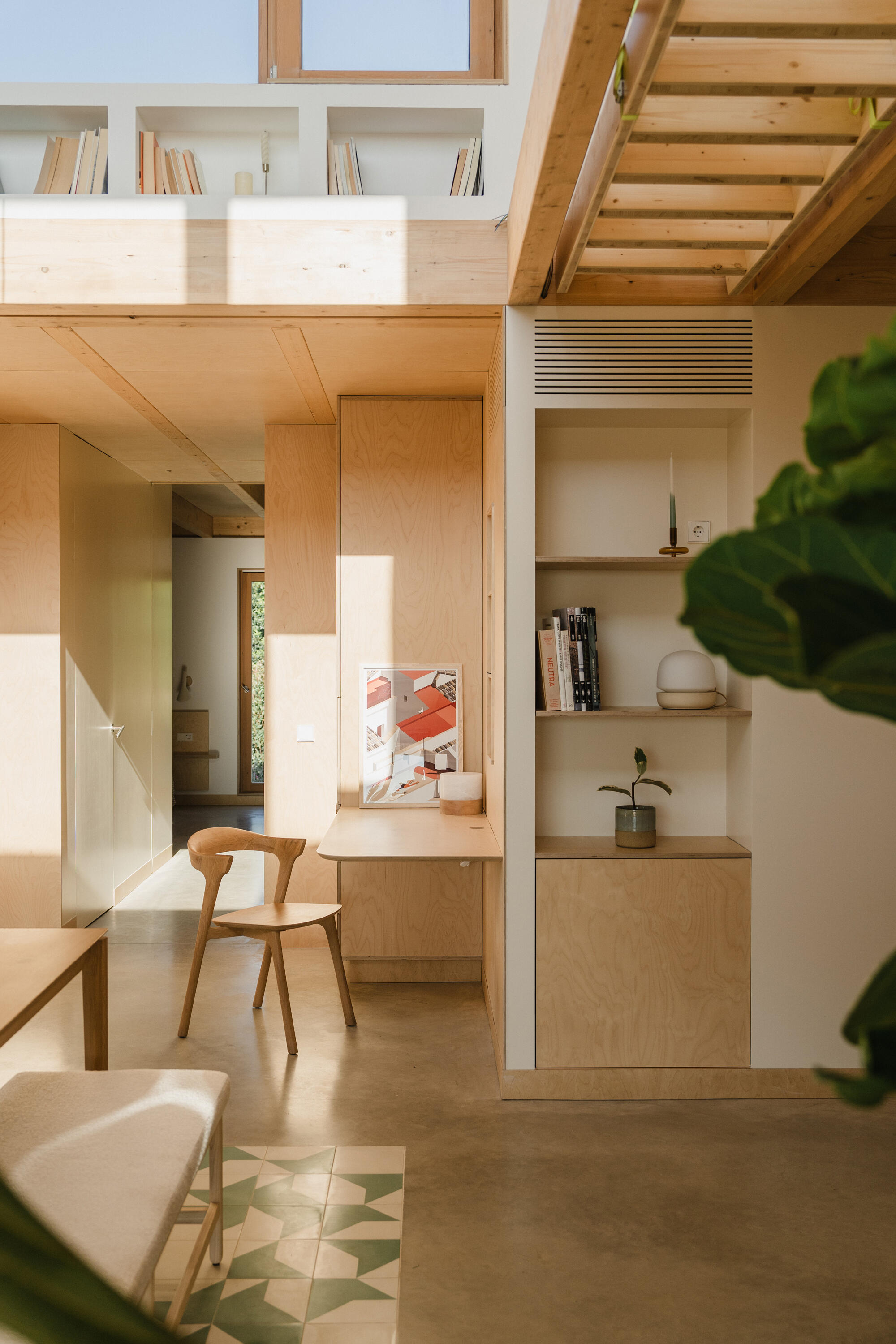
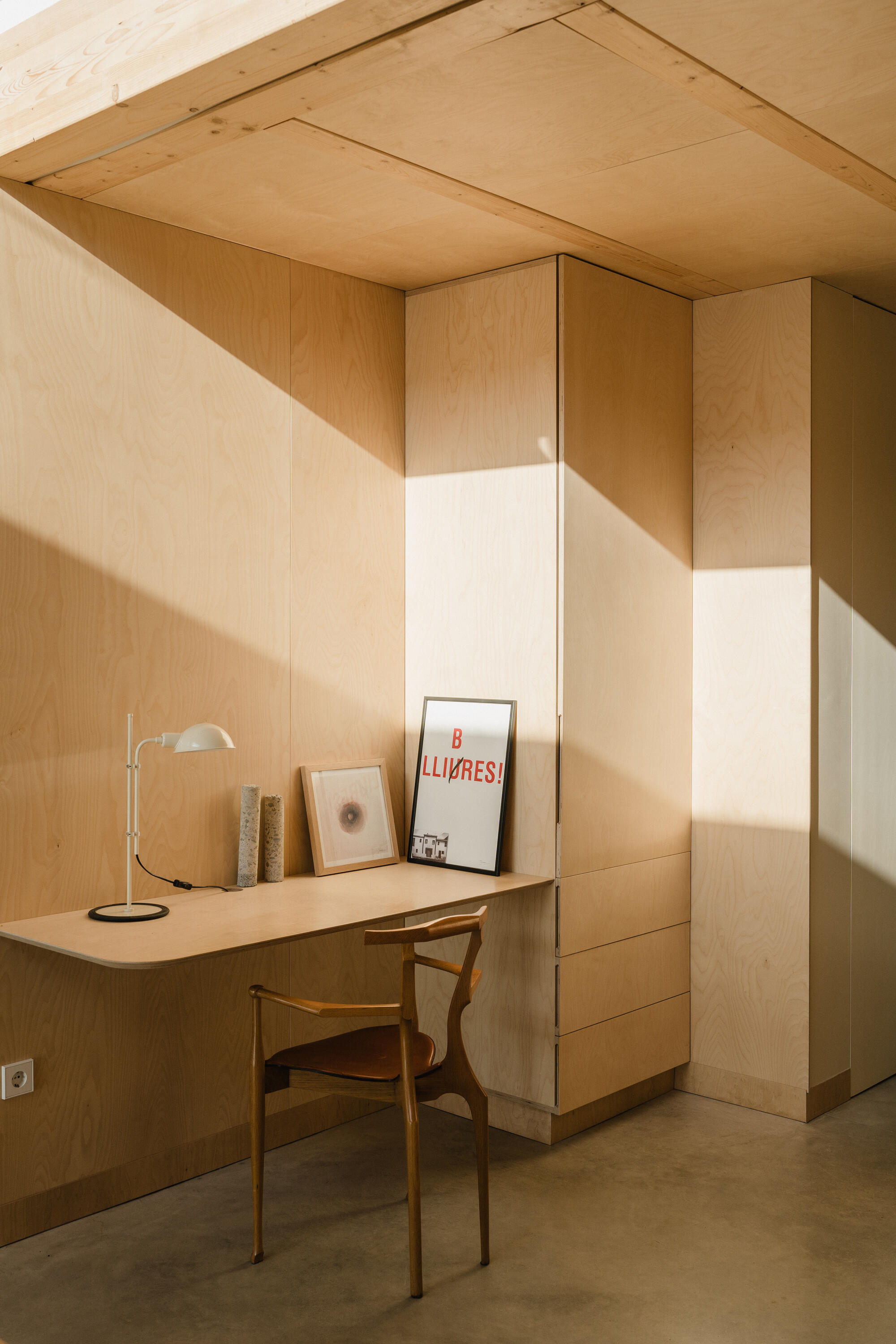
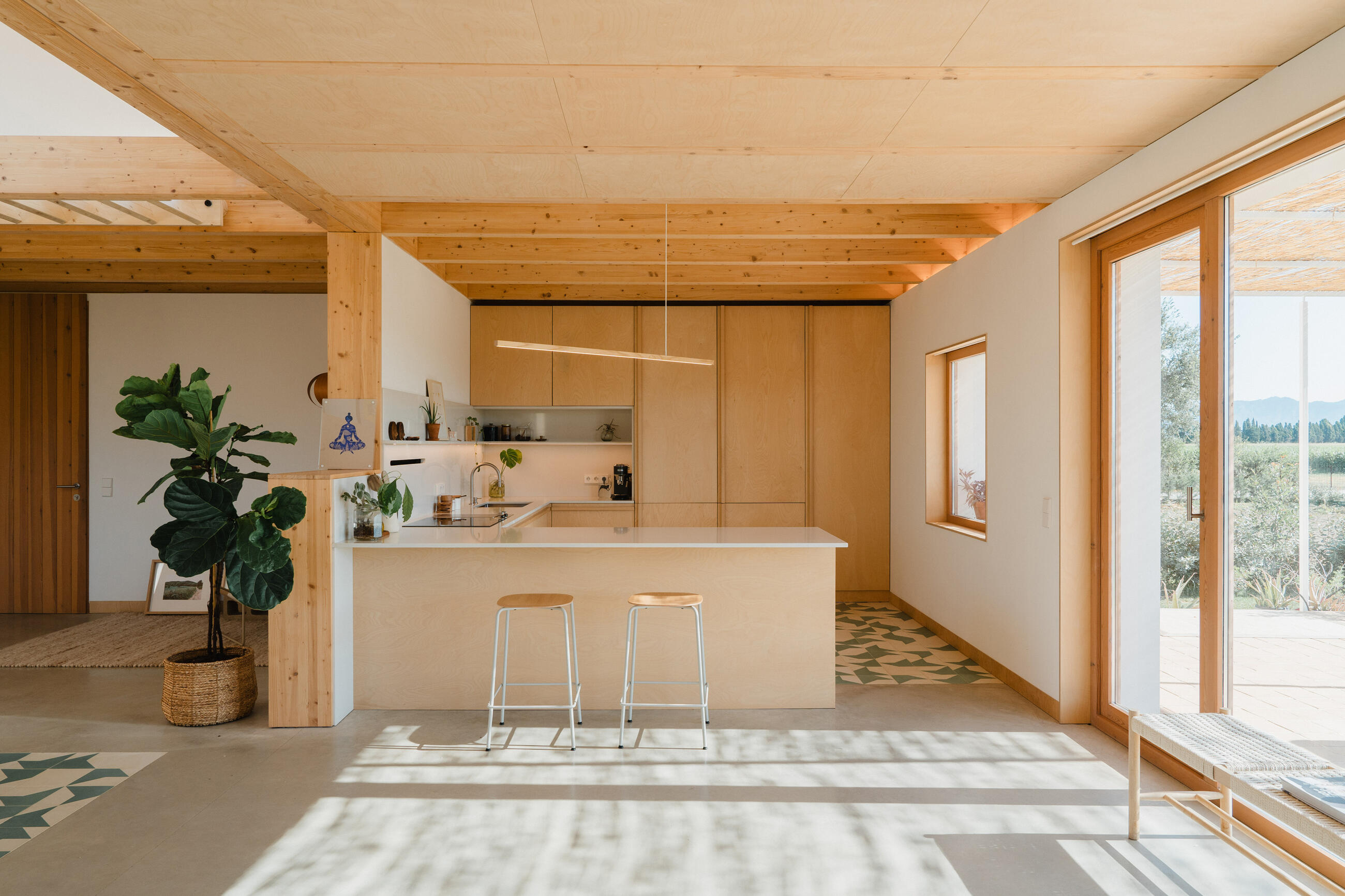
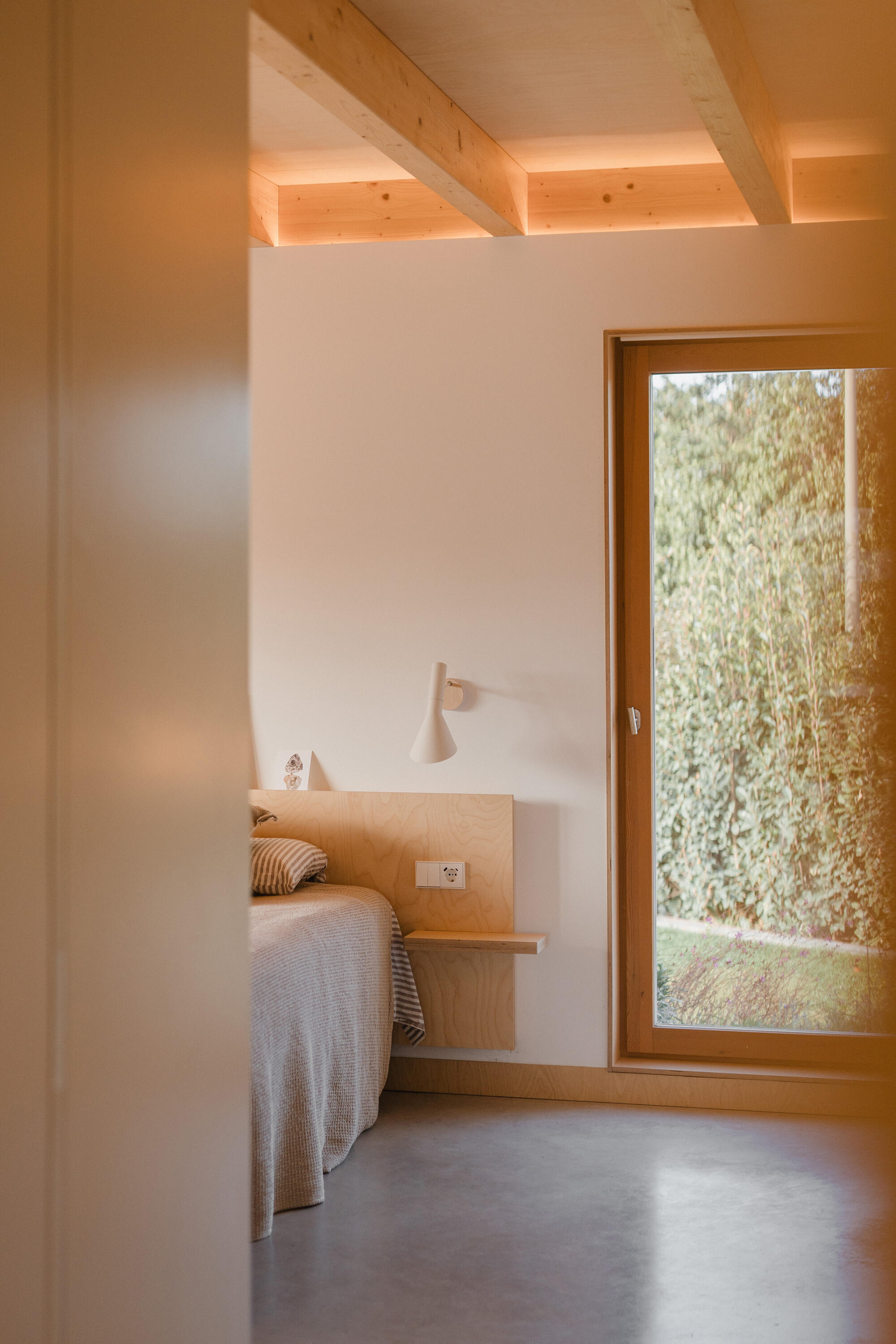
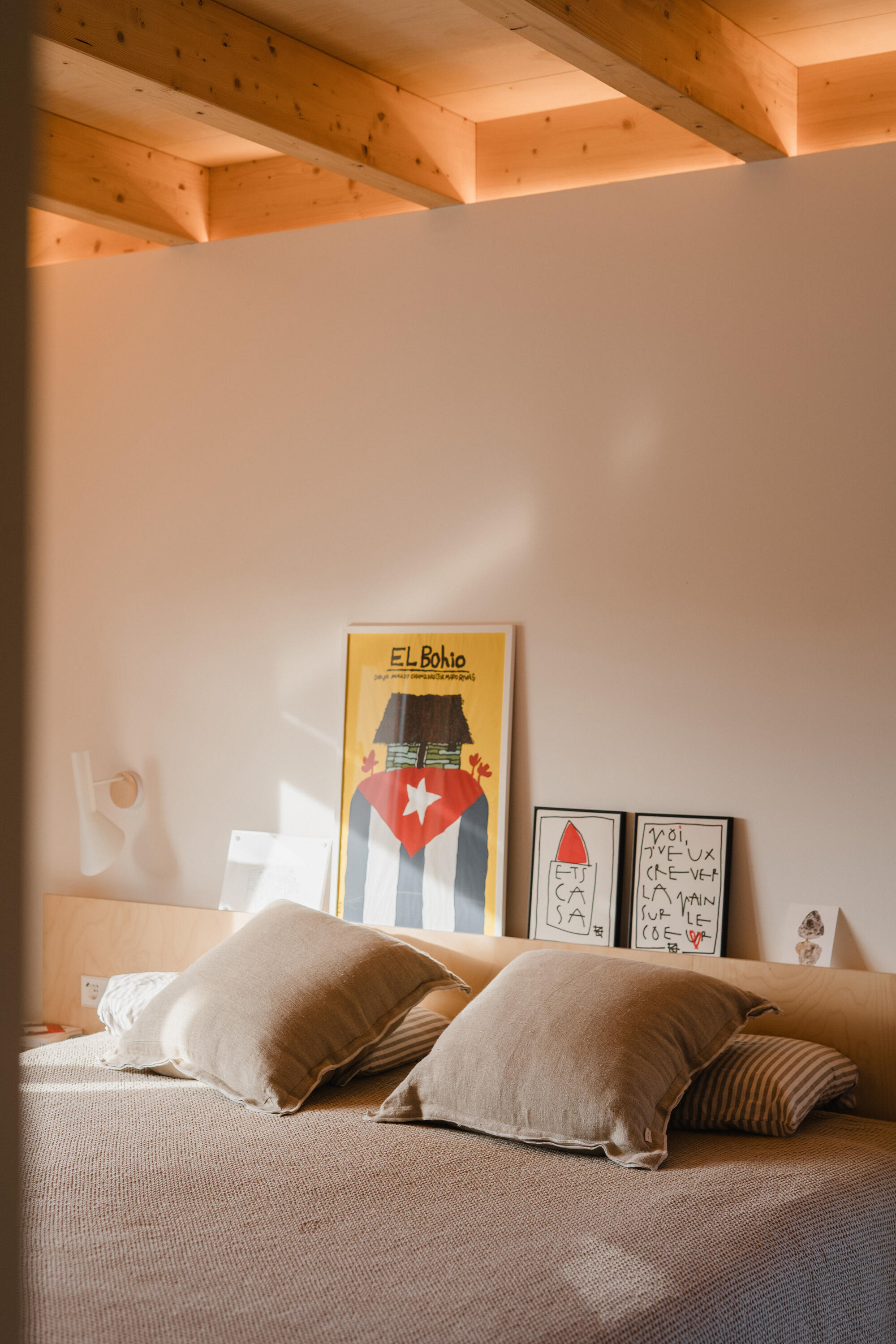
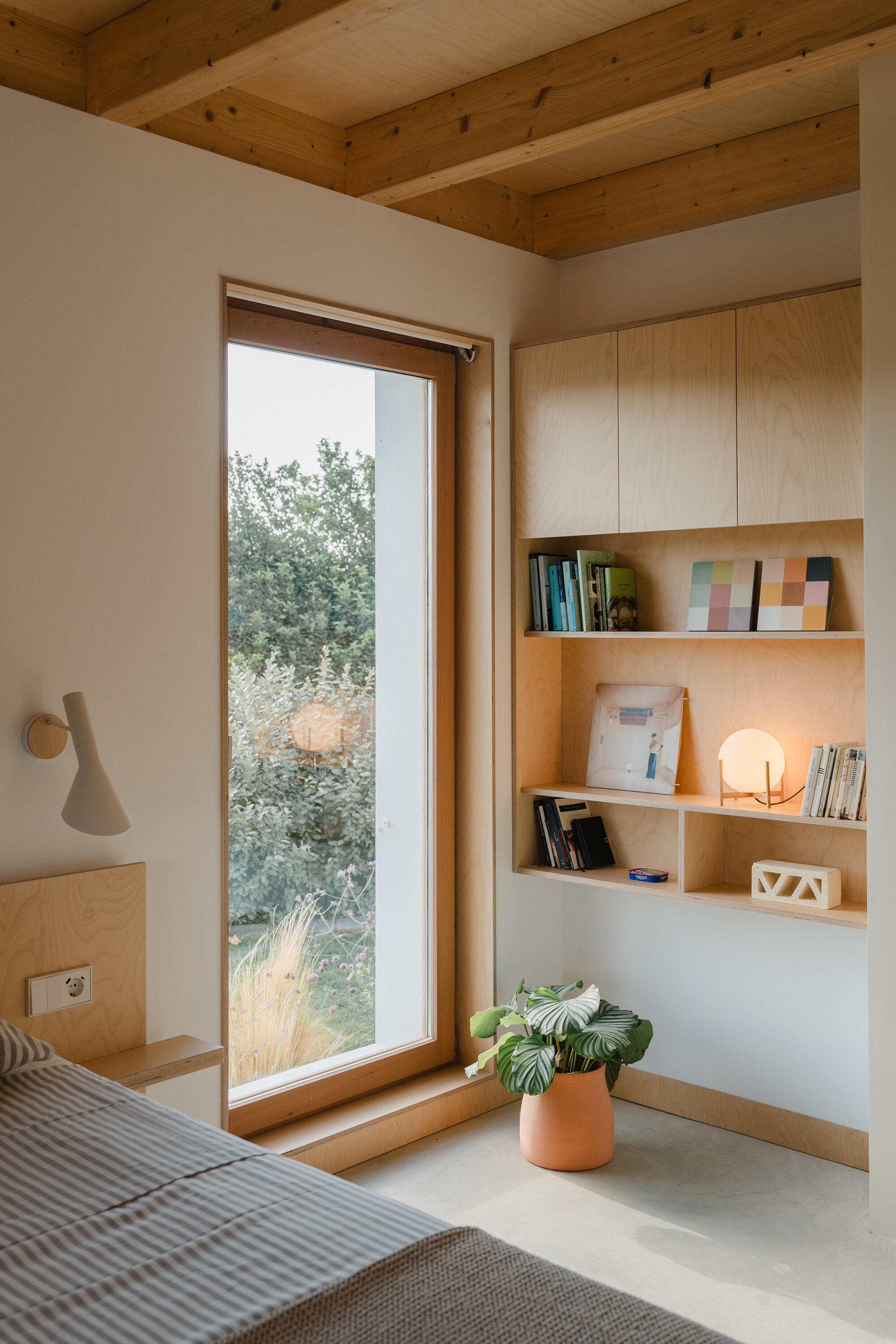
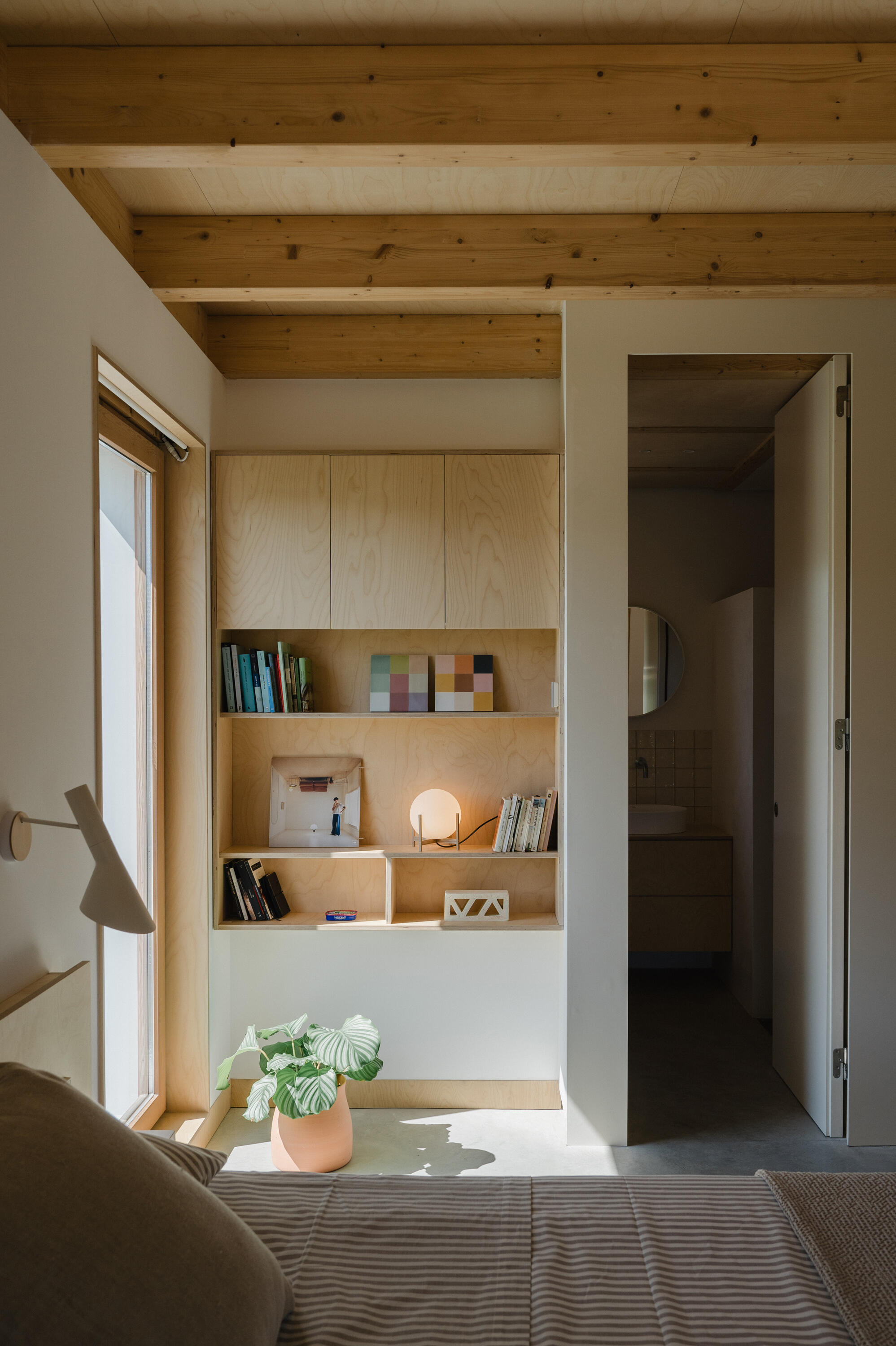
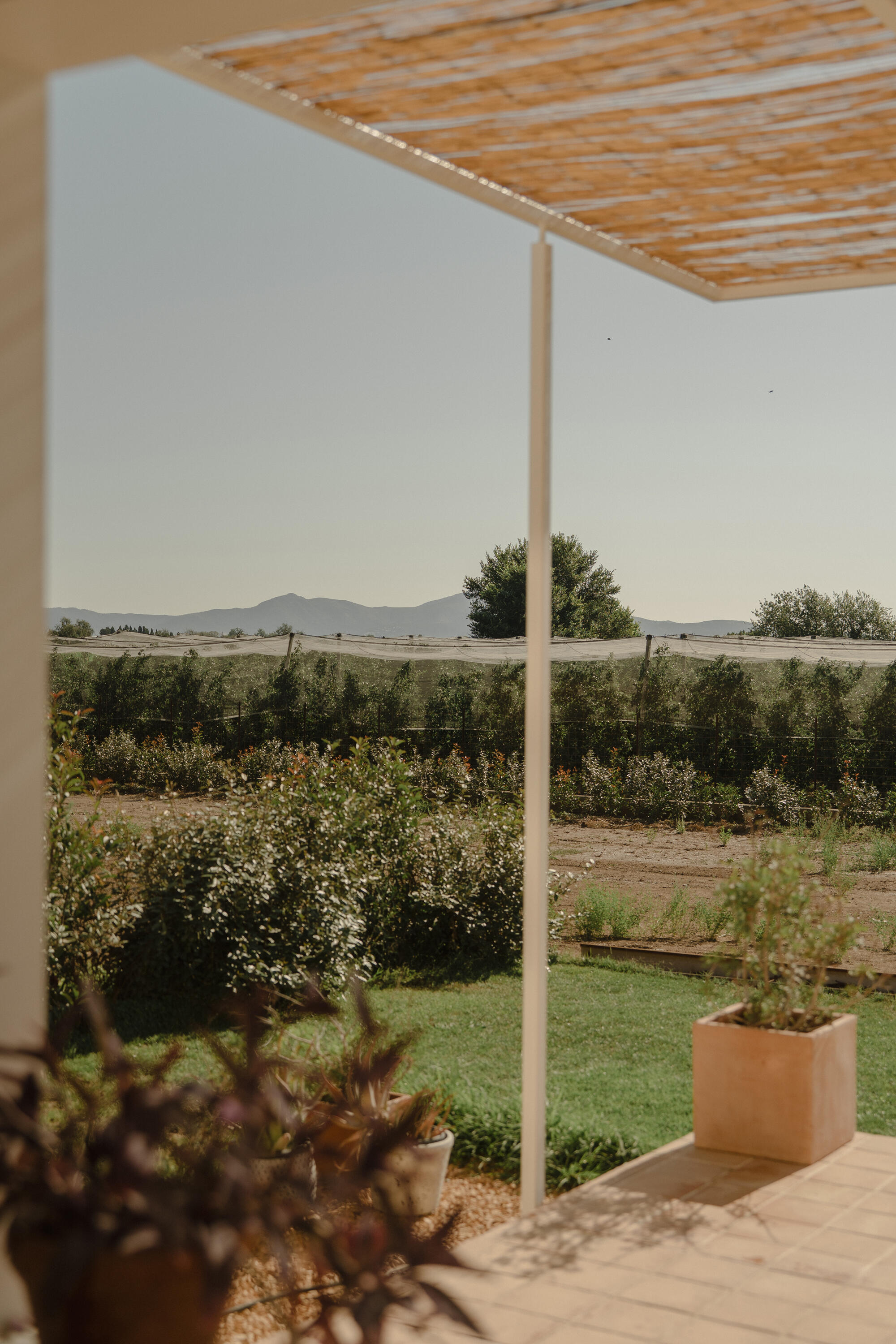
Architect Clara Crous and her partner Carles acquired the last available plot on one of Vilamacolum streets—a triangular site framed by the agricultural landscape that has shaped the Alt Empodà region and Carles’s own roots in farming. Carles, who works in digital fabrication with wood and plastic, comes from a family of local farmers, granting him access to a range of machinery for handling large-scale materials. This context made it possible for Clara and her team to conceive the project from the very beginning with self-construction in mind, integrating design, technical resources, and construction timelines.
The build itself followed the rhythms of the land. Construction began at the end of the corn harvest, when local labor was available to actively participate in the project. What might have seemed a practical coincidence became a guiding principle, linking agricultural cycles with the pace of construction.
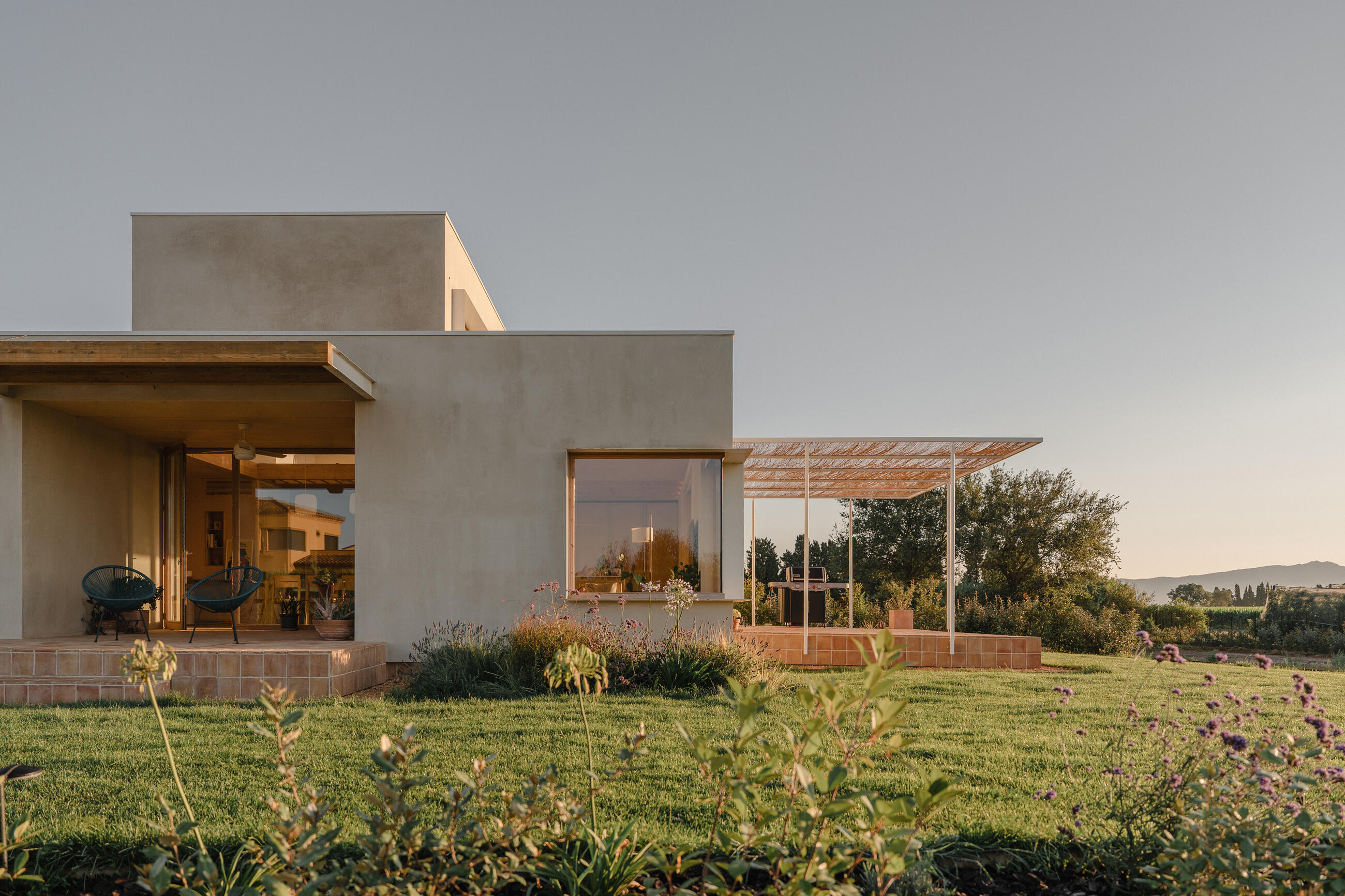
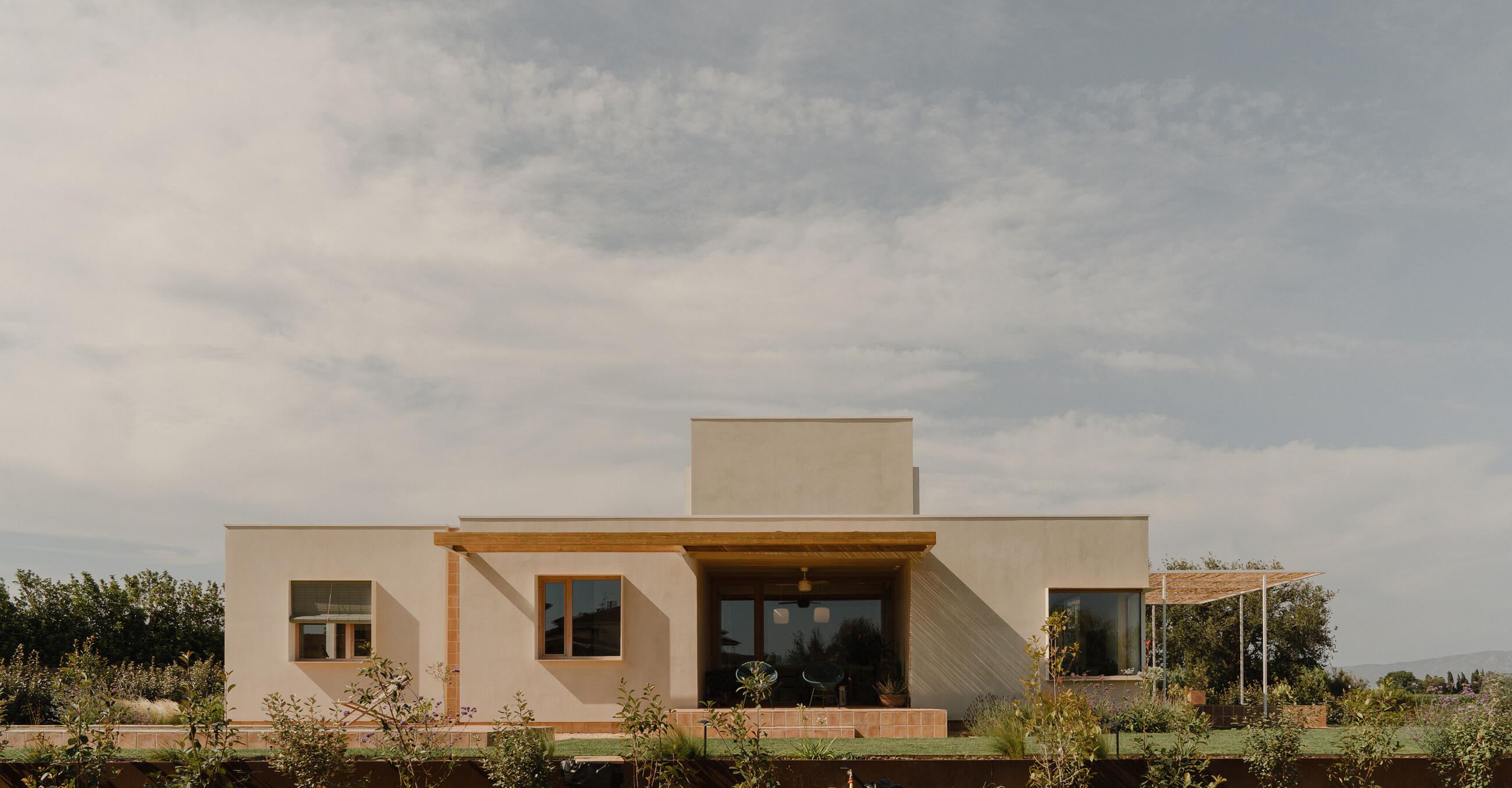
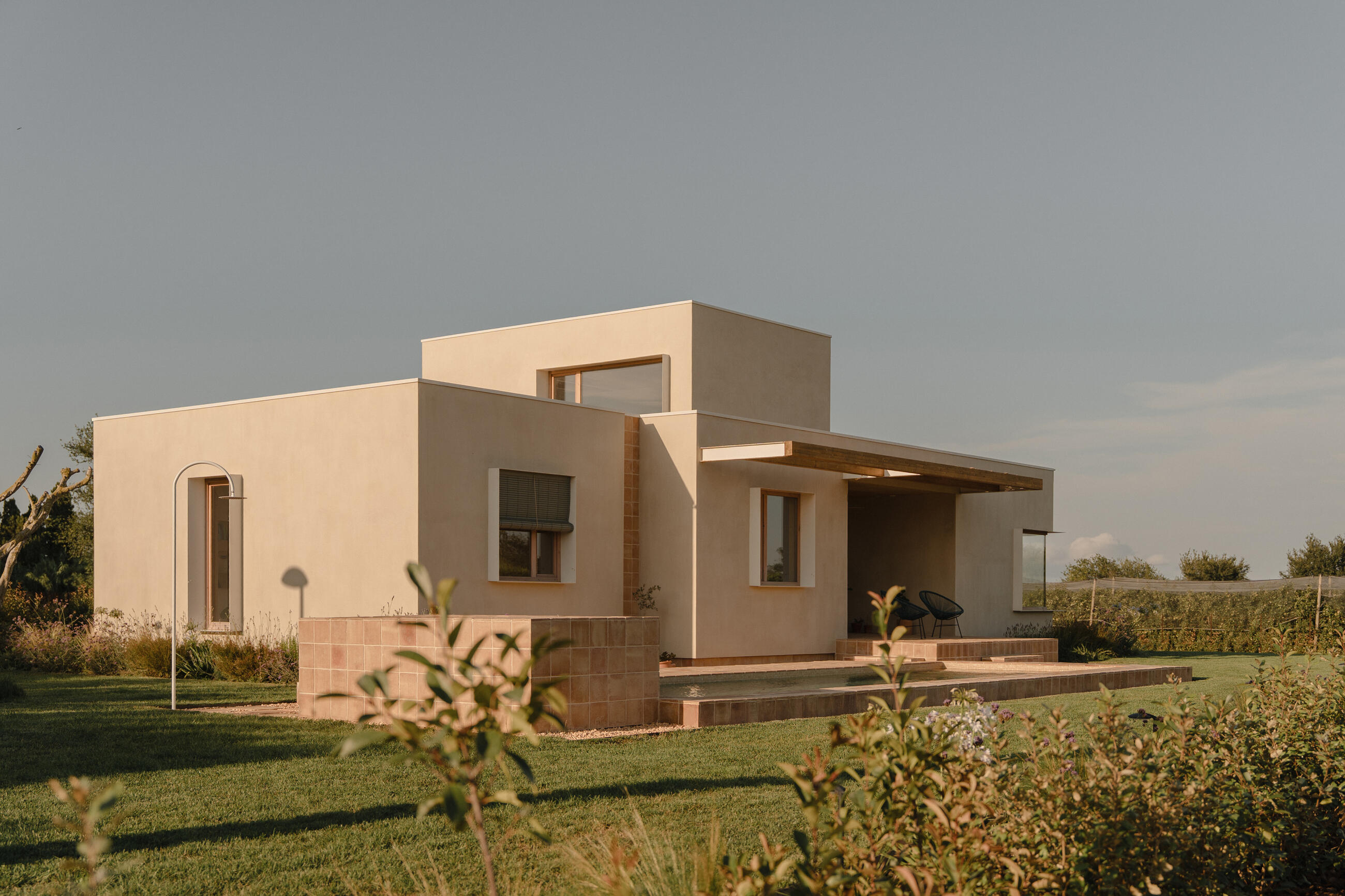
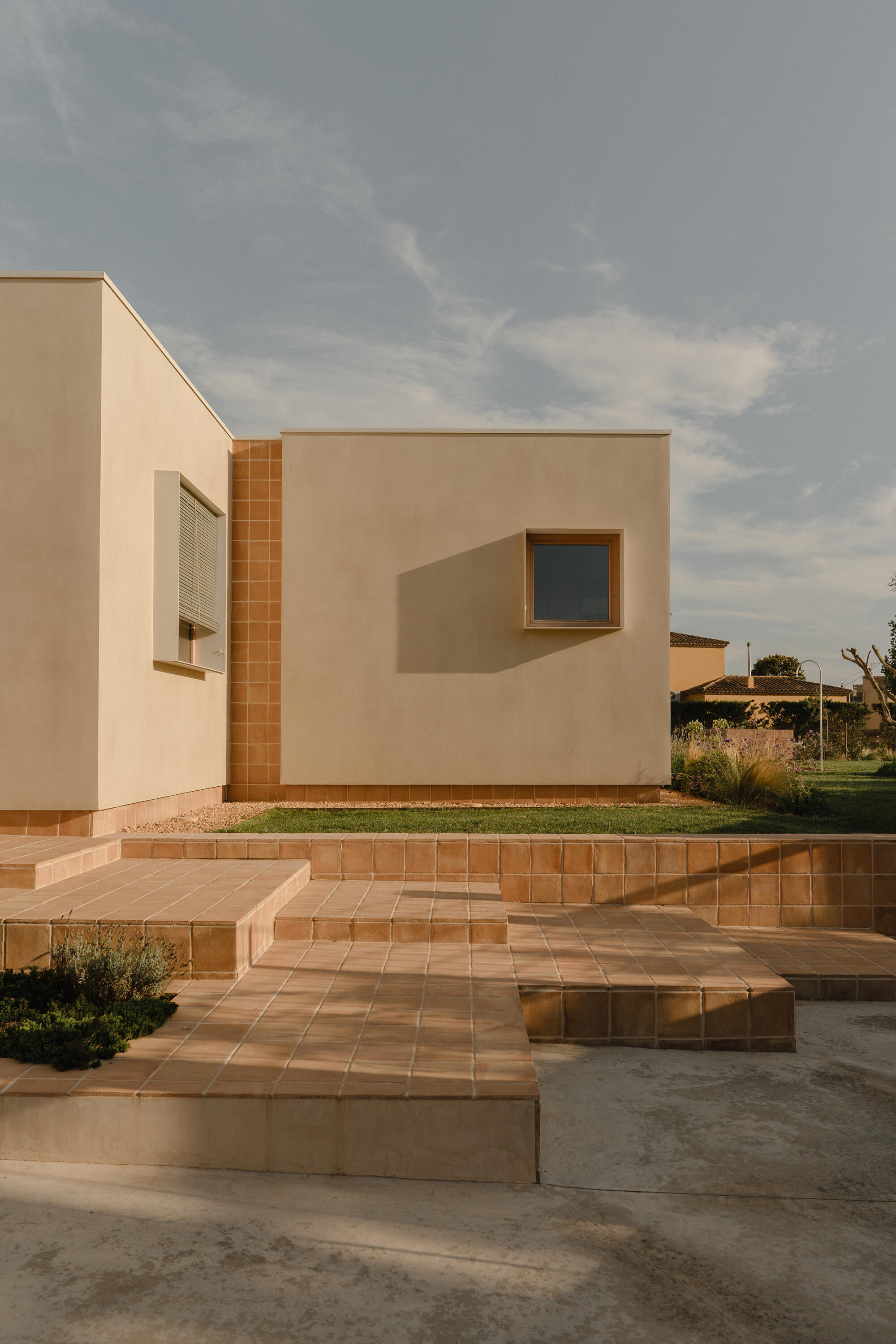
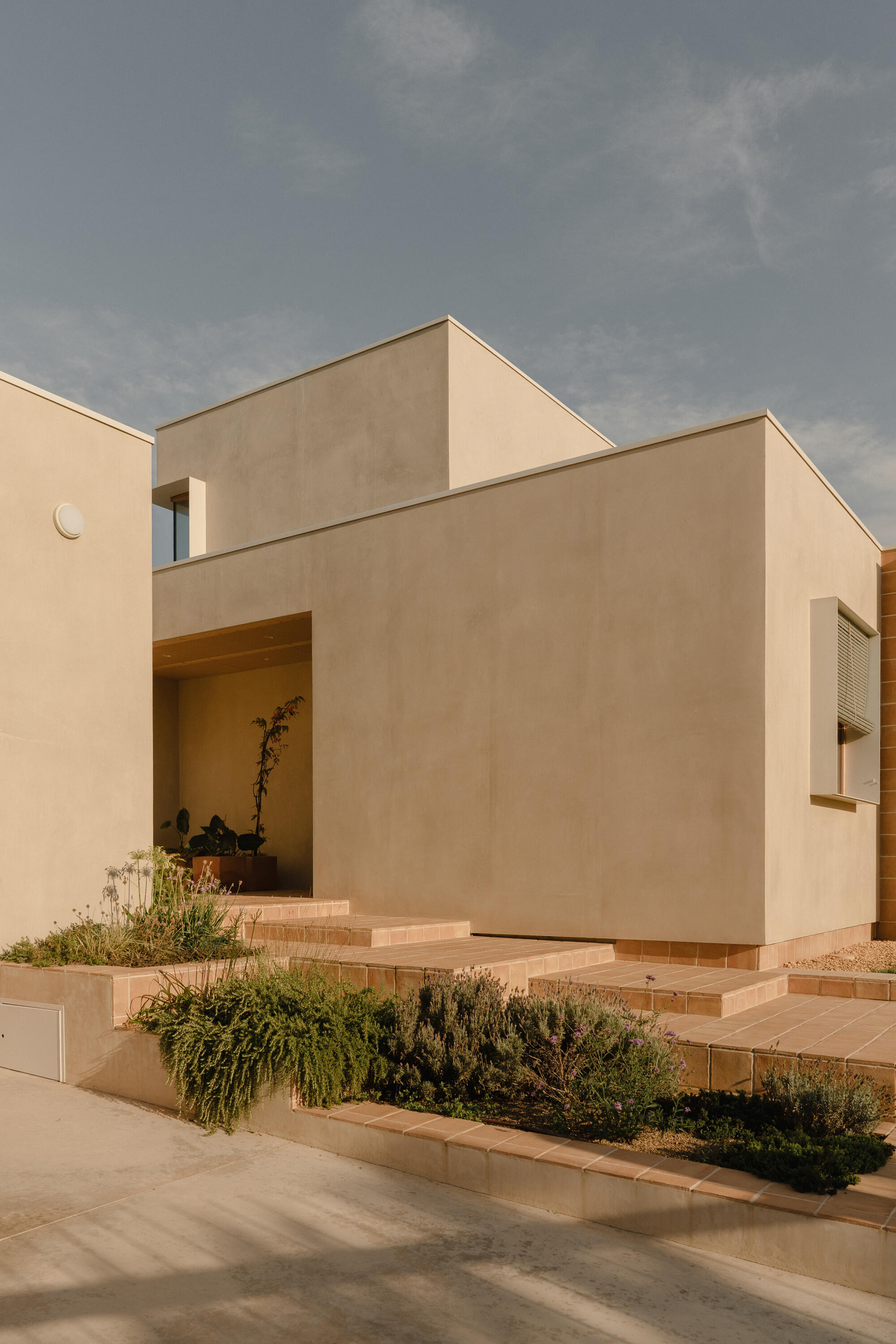
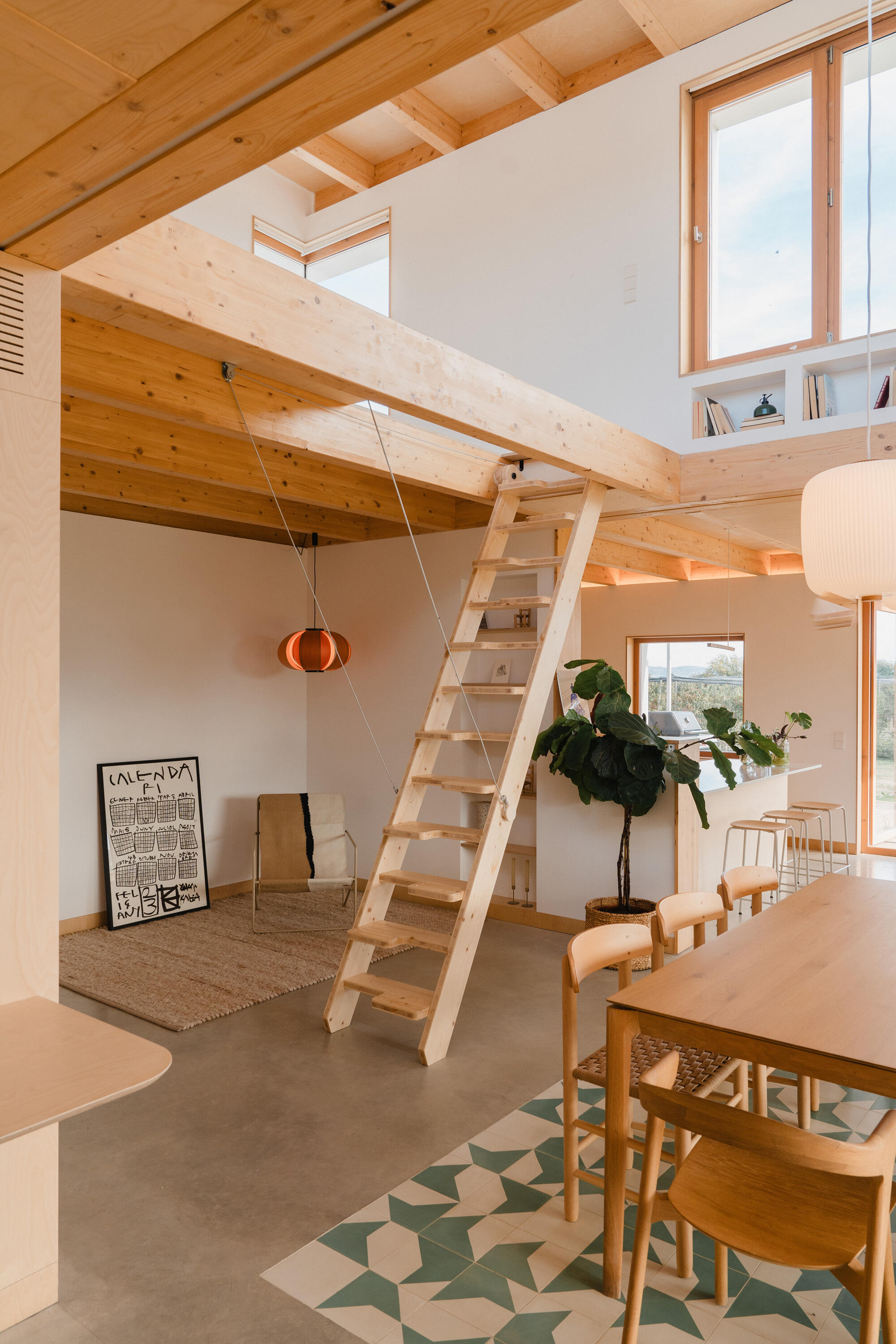
The house is structured around a light timber frame, prefabricated in the workshop to optimize time and effort. From this framework, Casa Al Pradet unfolds as a series of modules of varying shapes and heights, echoing the vernacular outbuildings traditionally added to Catalan manor houses as families grew.
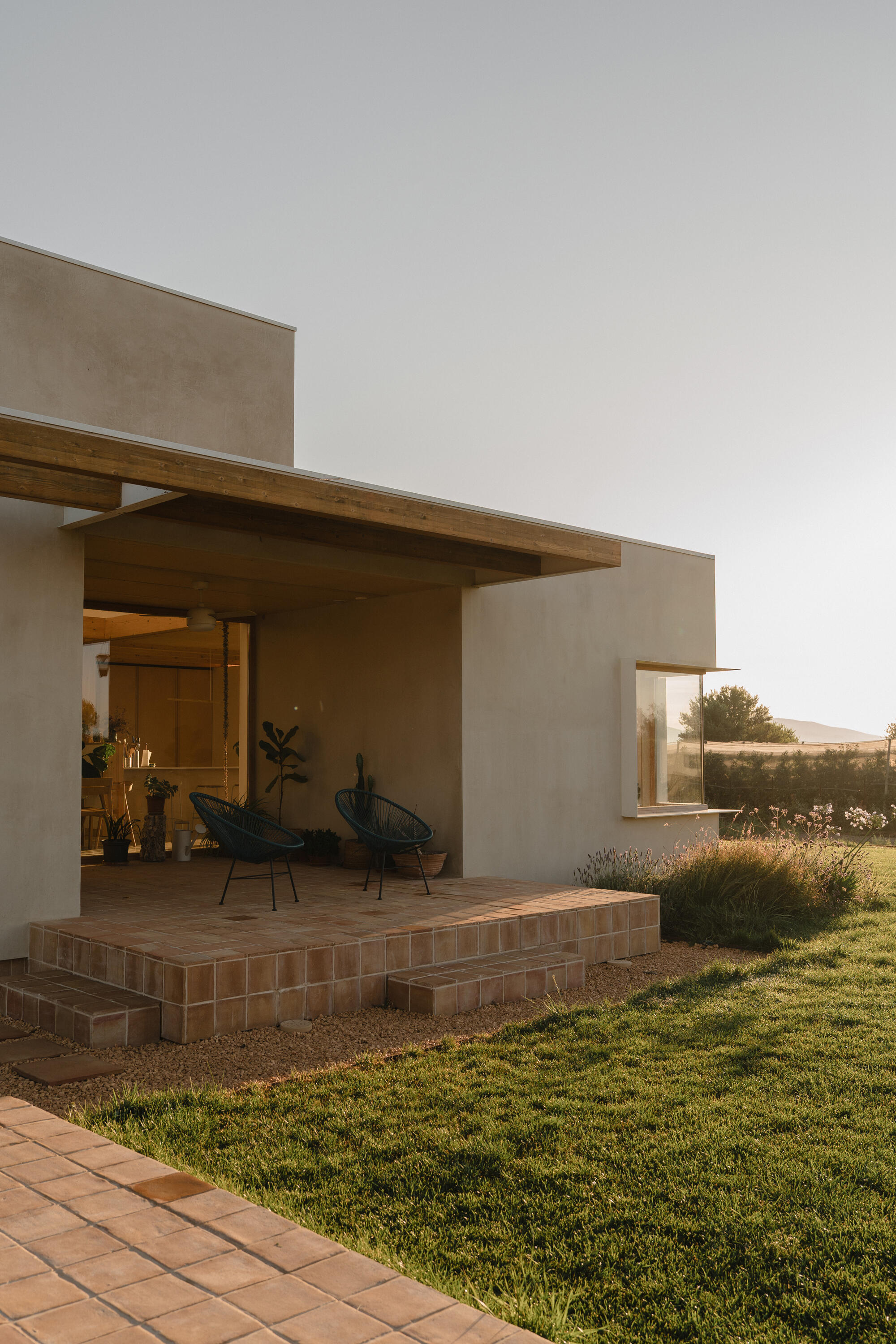
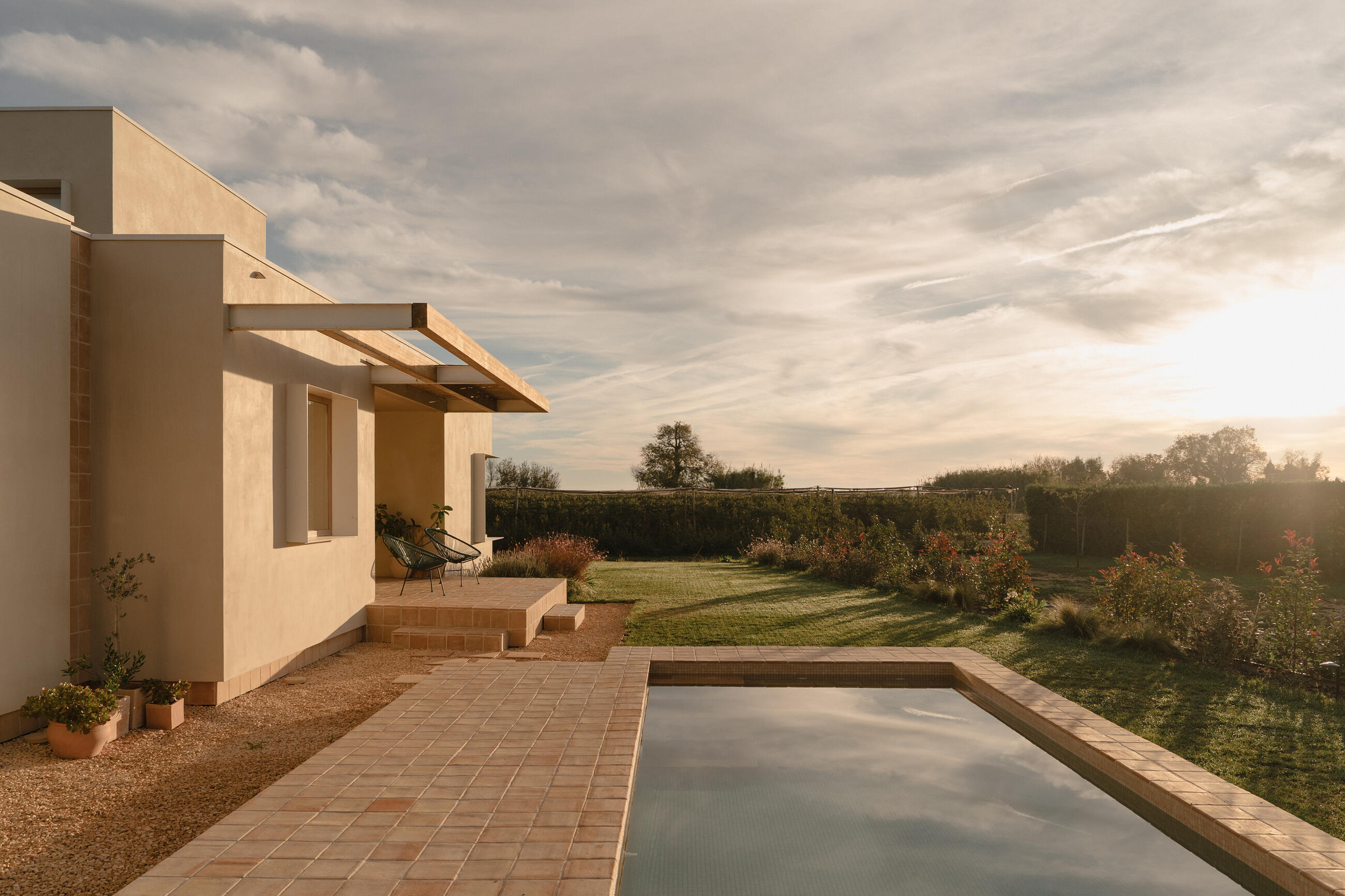
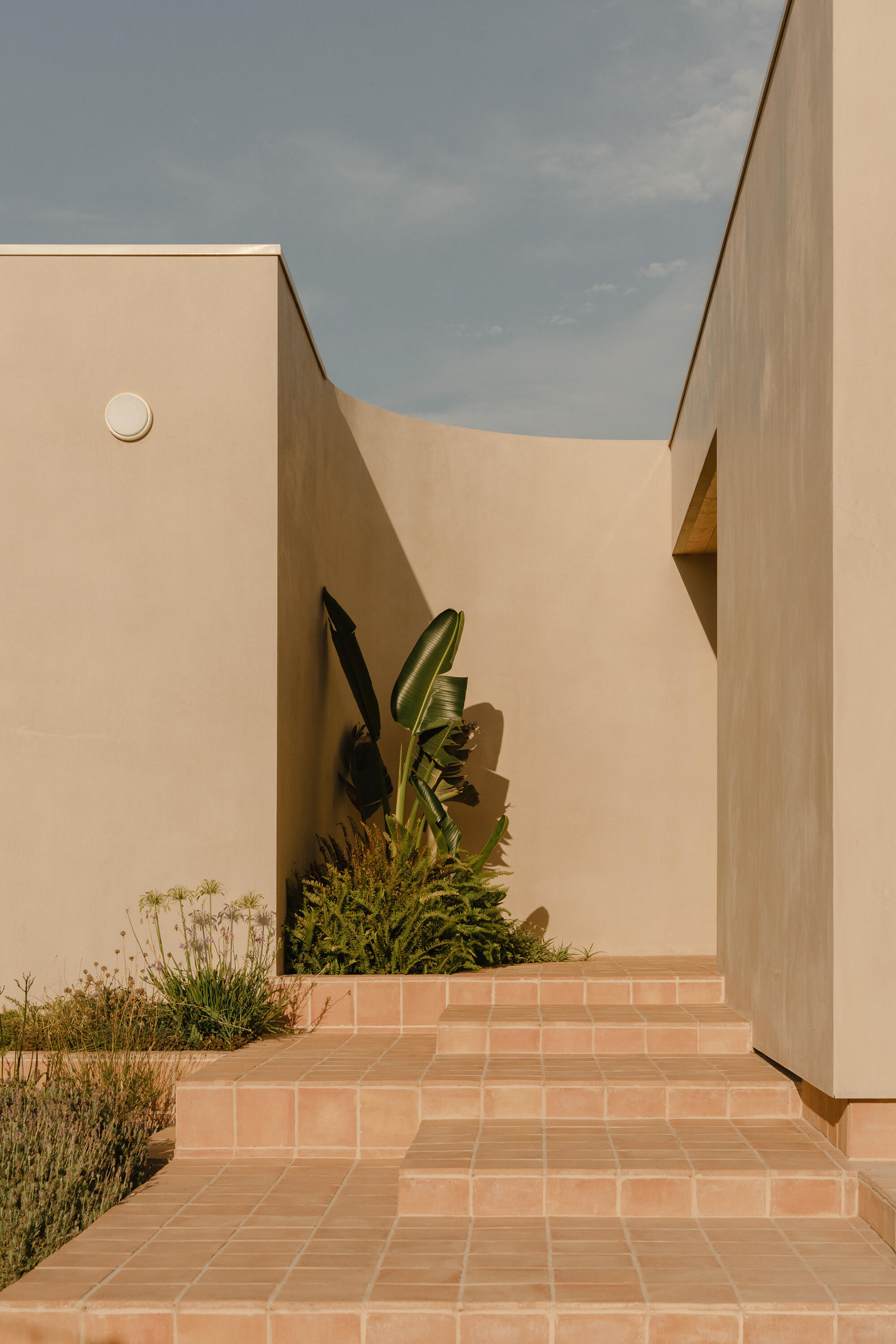
Raised 1.2 meters above the ground due to its location in the lowest part of the village—where rainwater naturally flows toward a river below the site—the house is positioned to shield itself from the tramontana wind. Its staggered volumes respond to the triangular geometry of the plot and the fragmented layout of traditional country houses in the area (masias), blending naturally into the rural landscape.
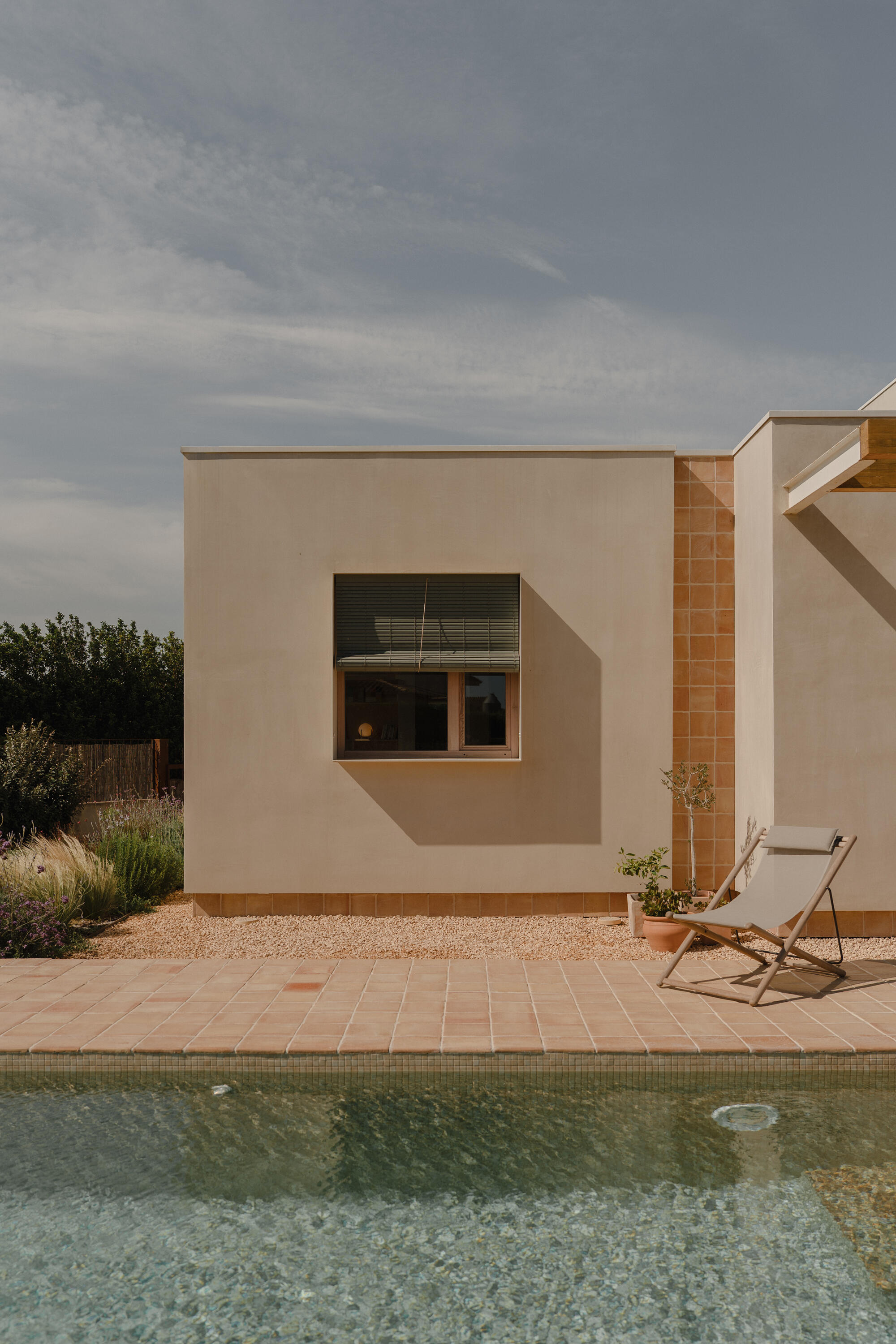
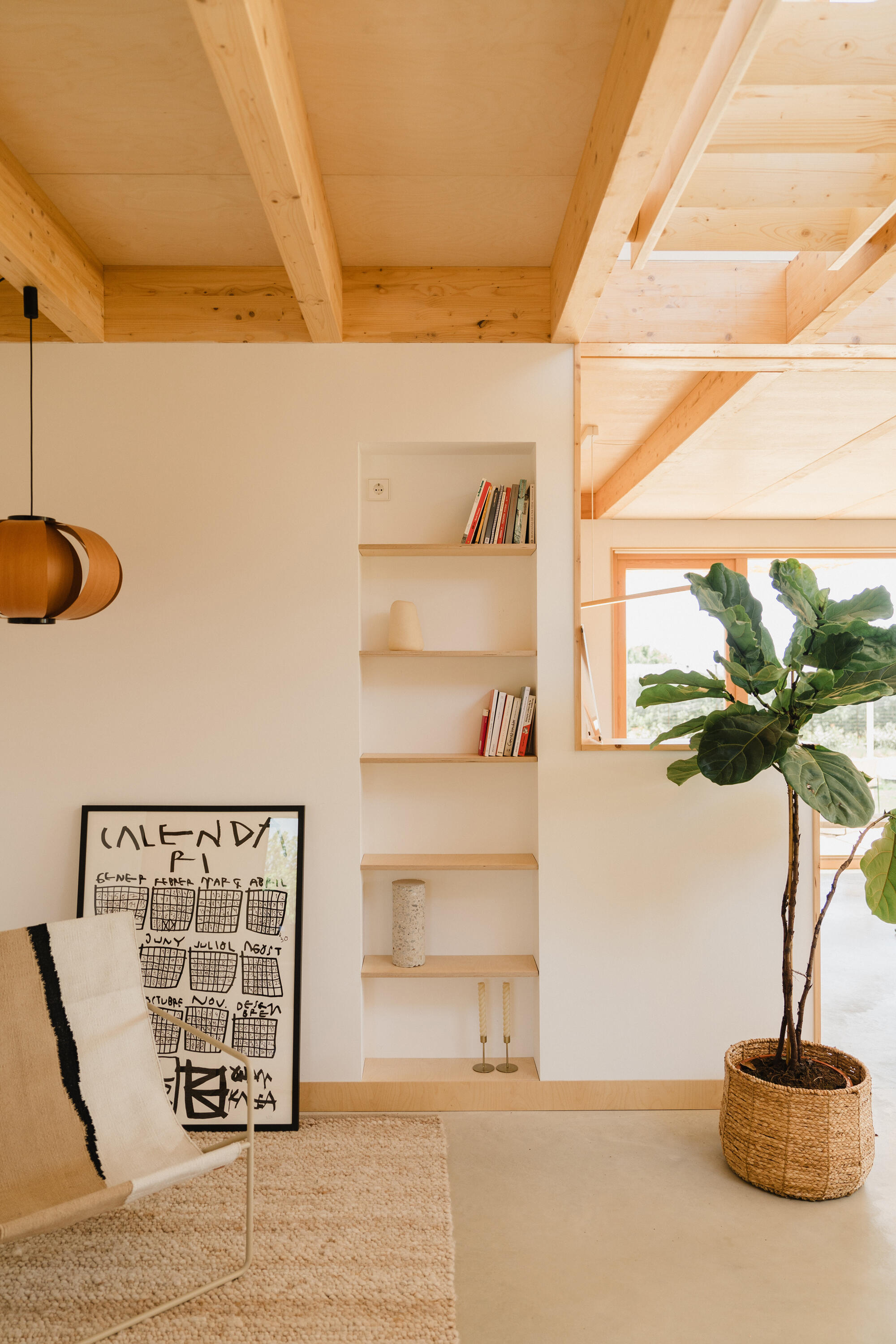
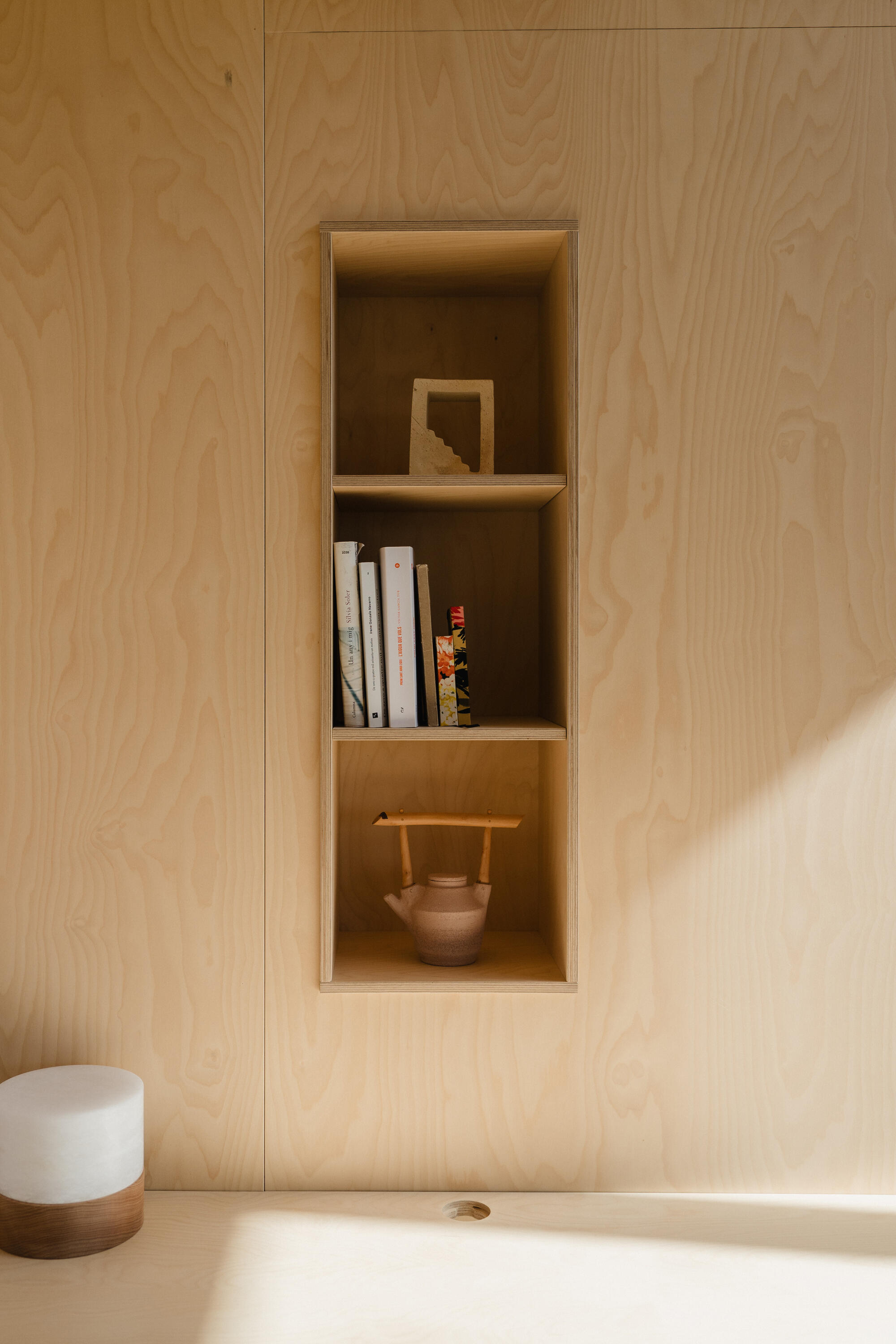
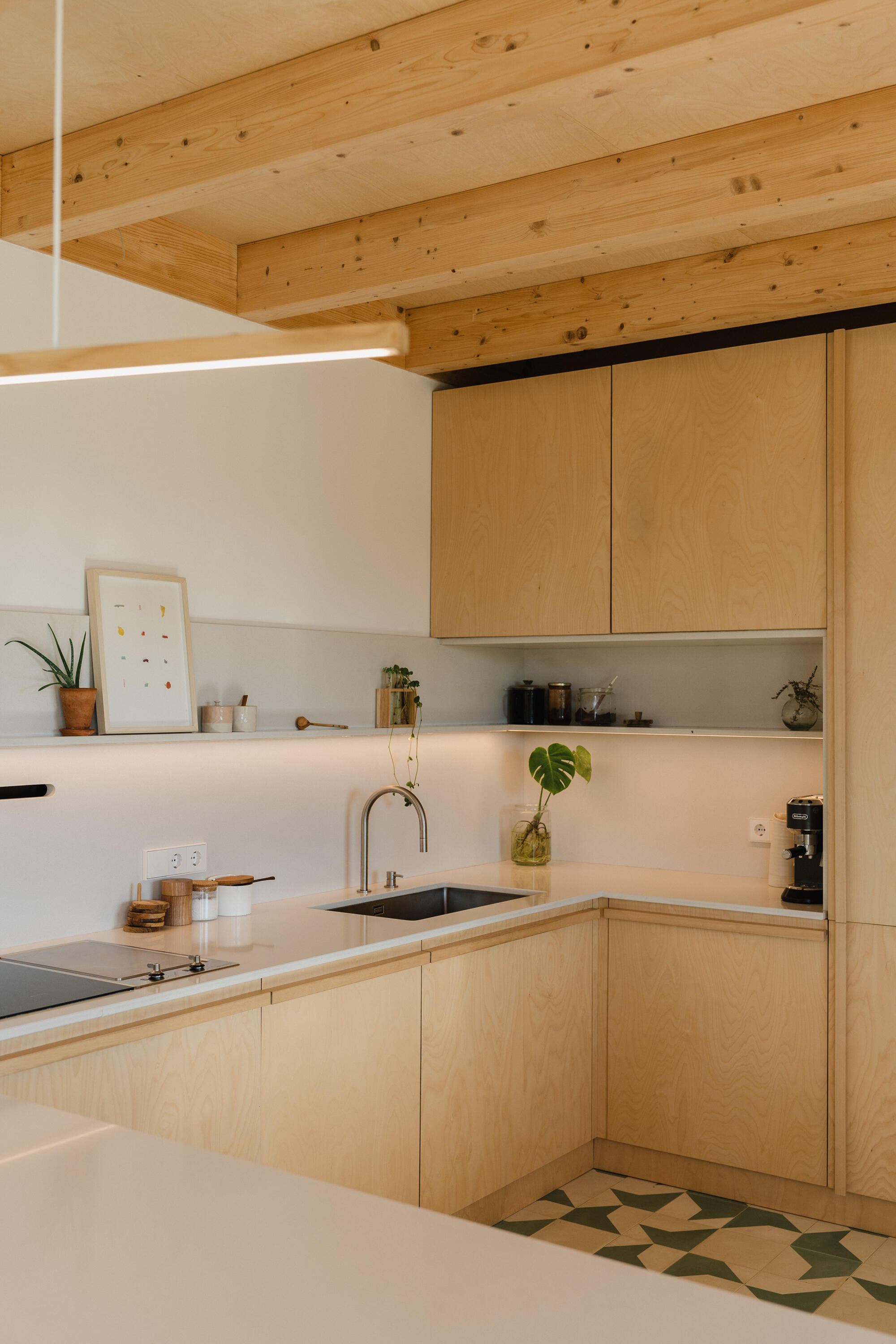
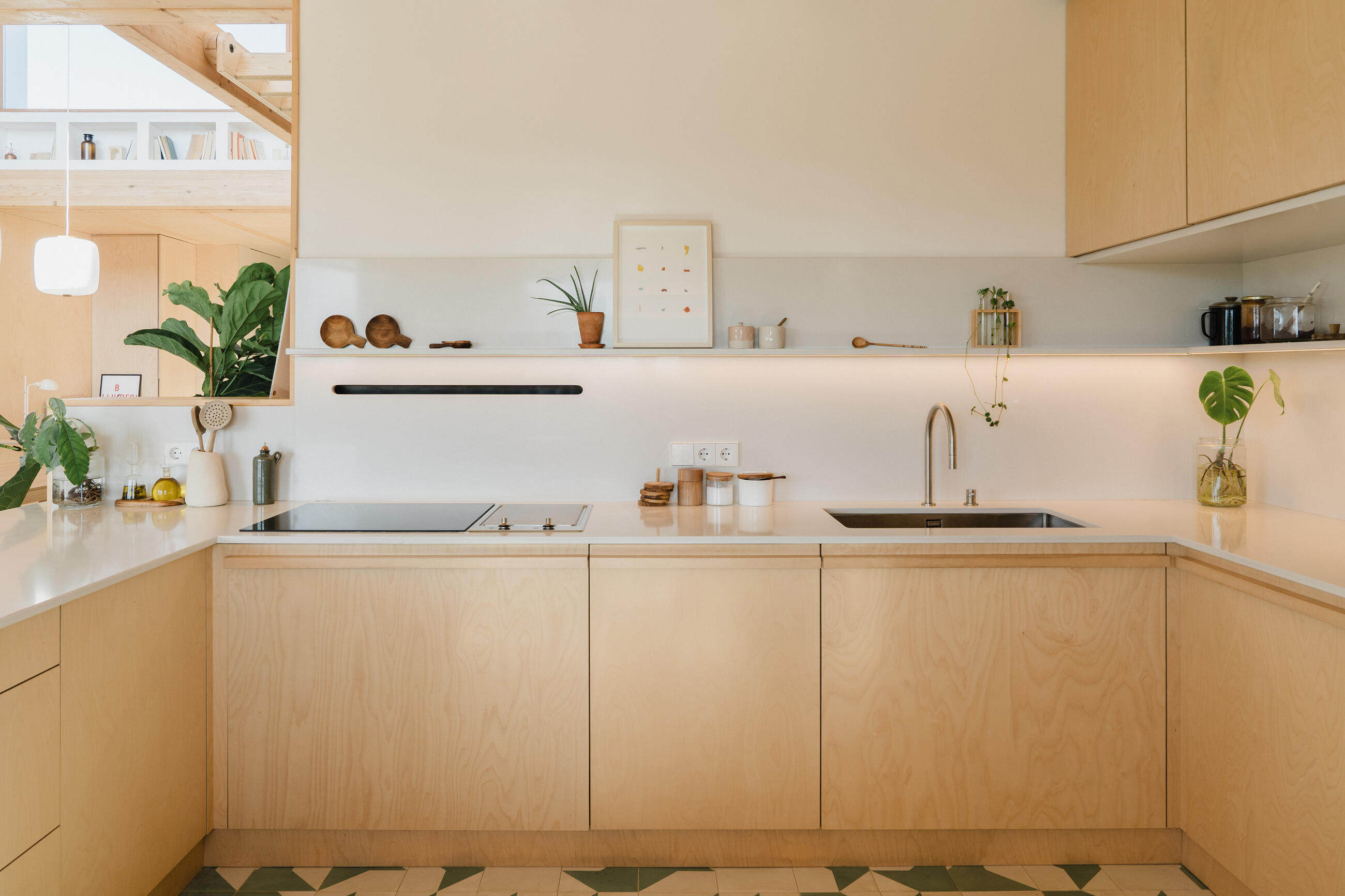
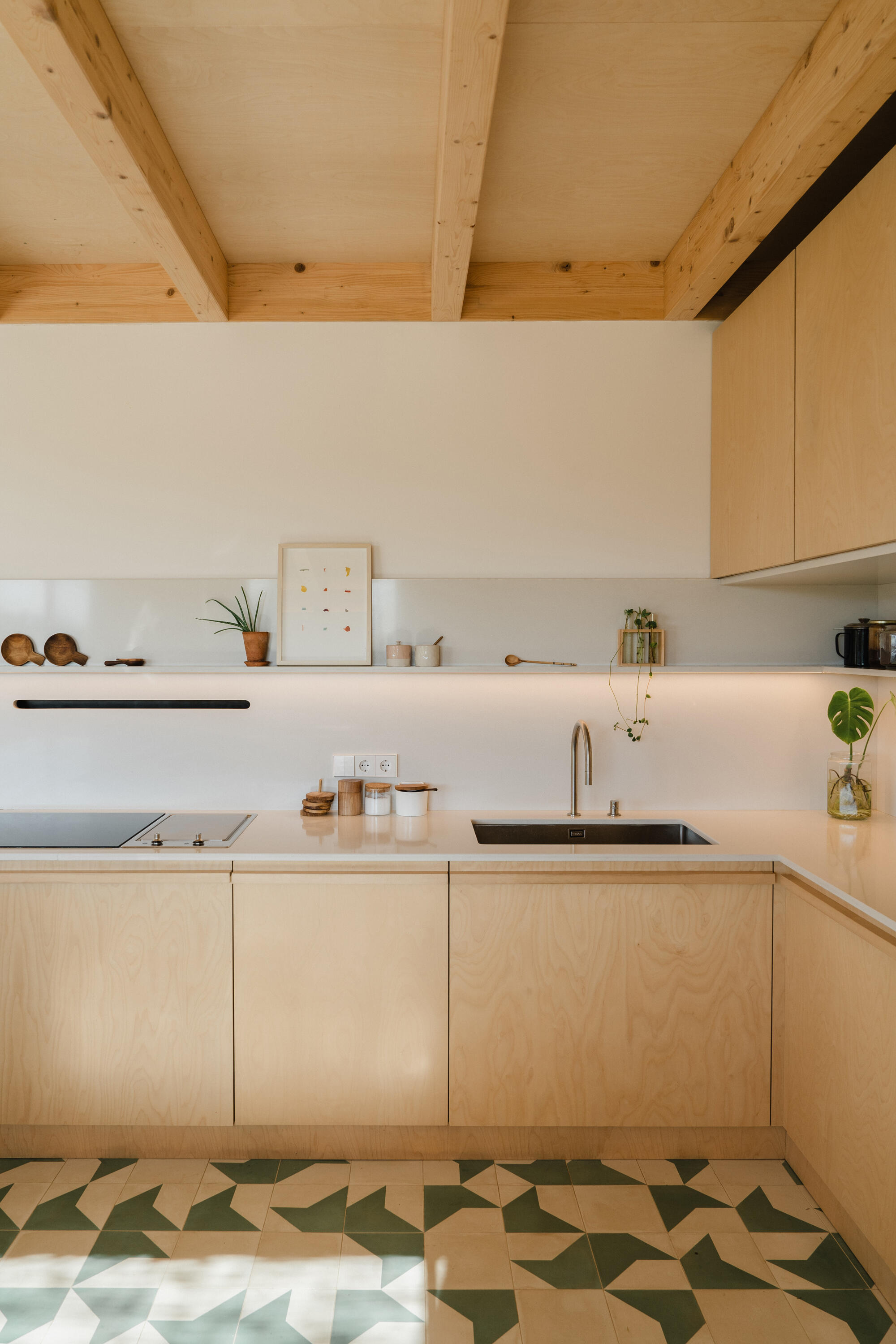
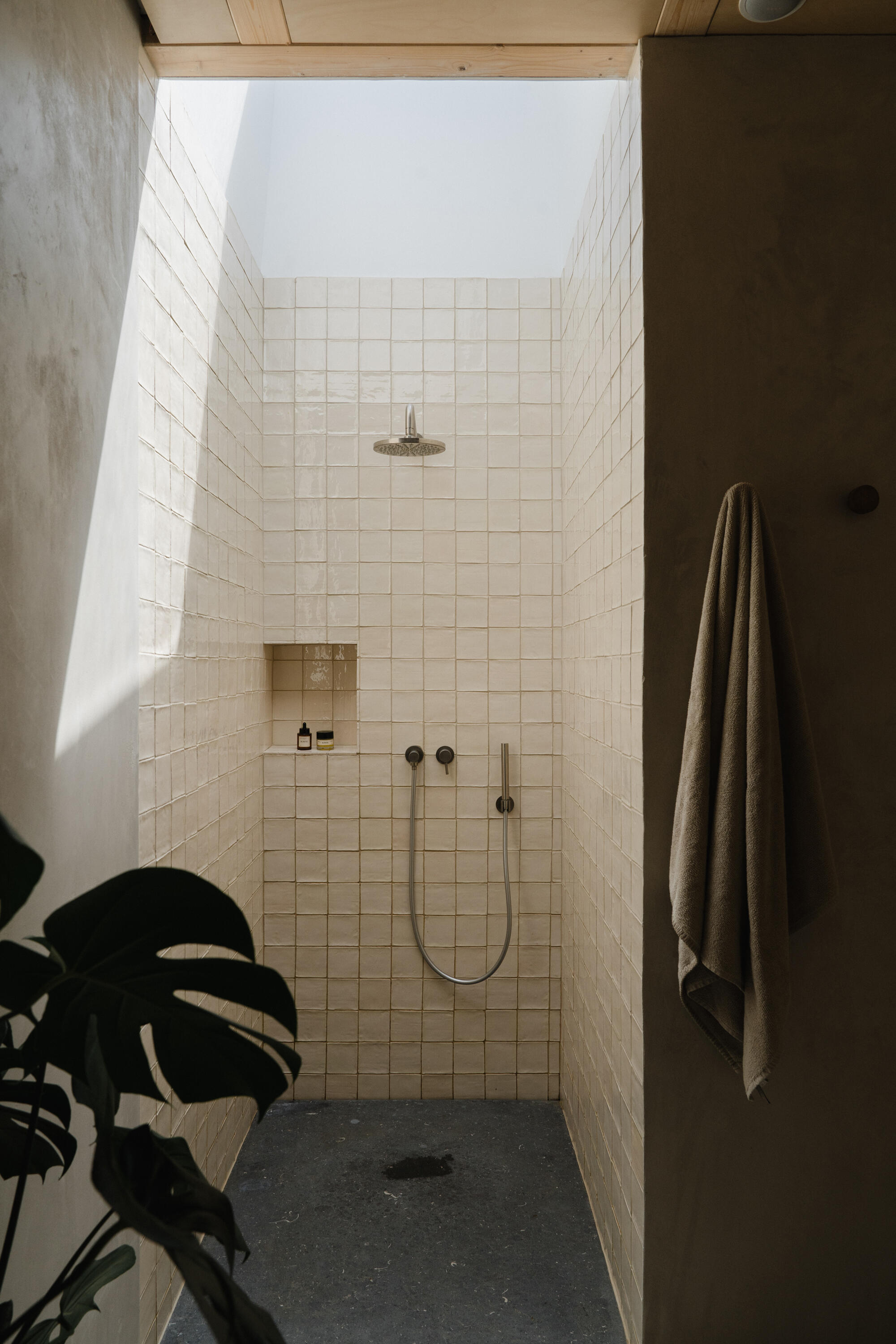
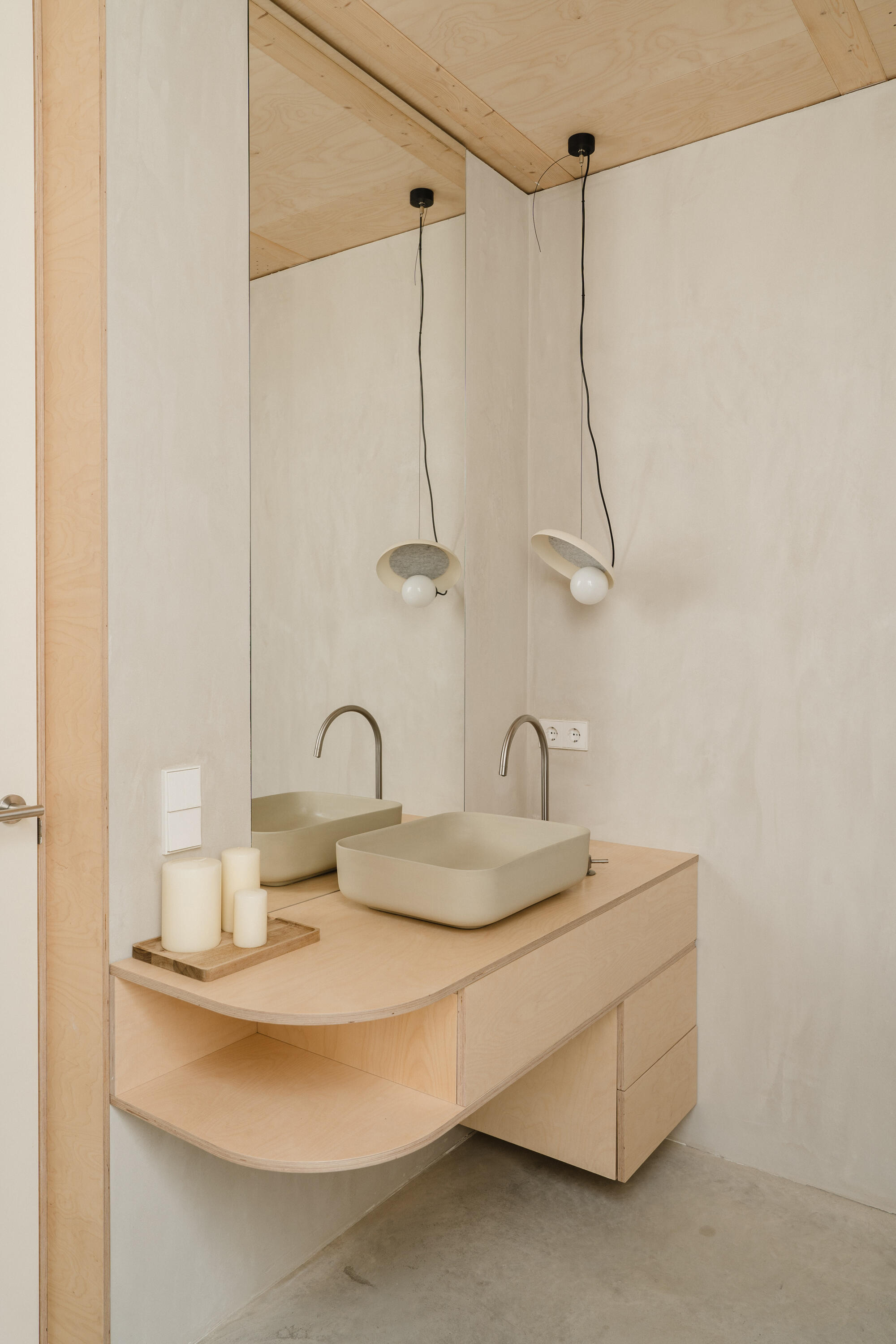
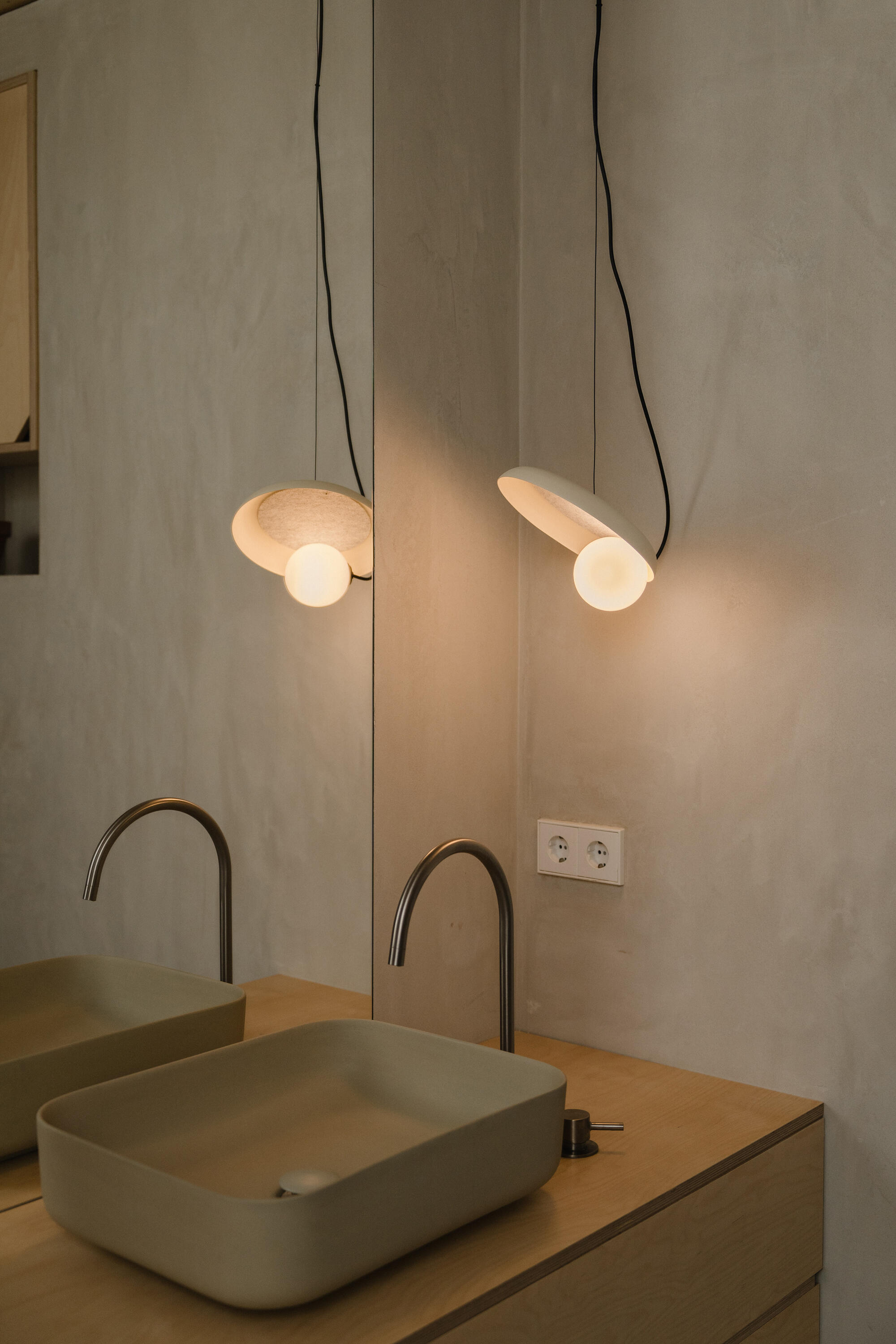
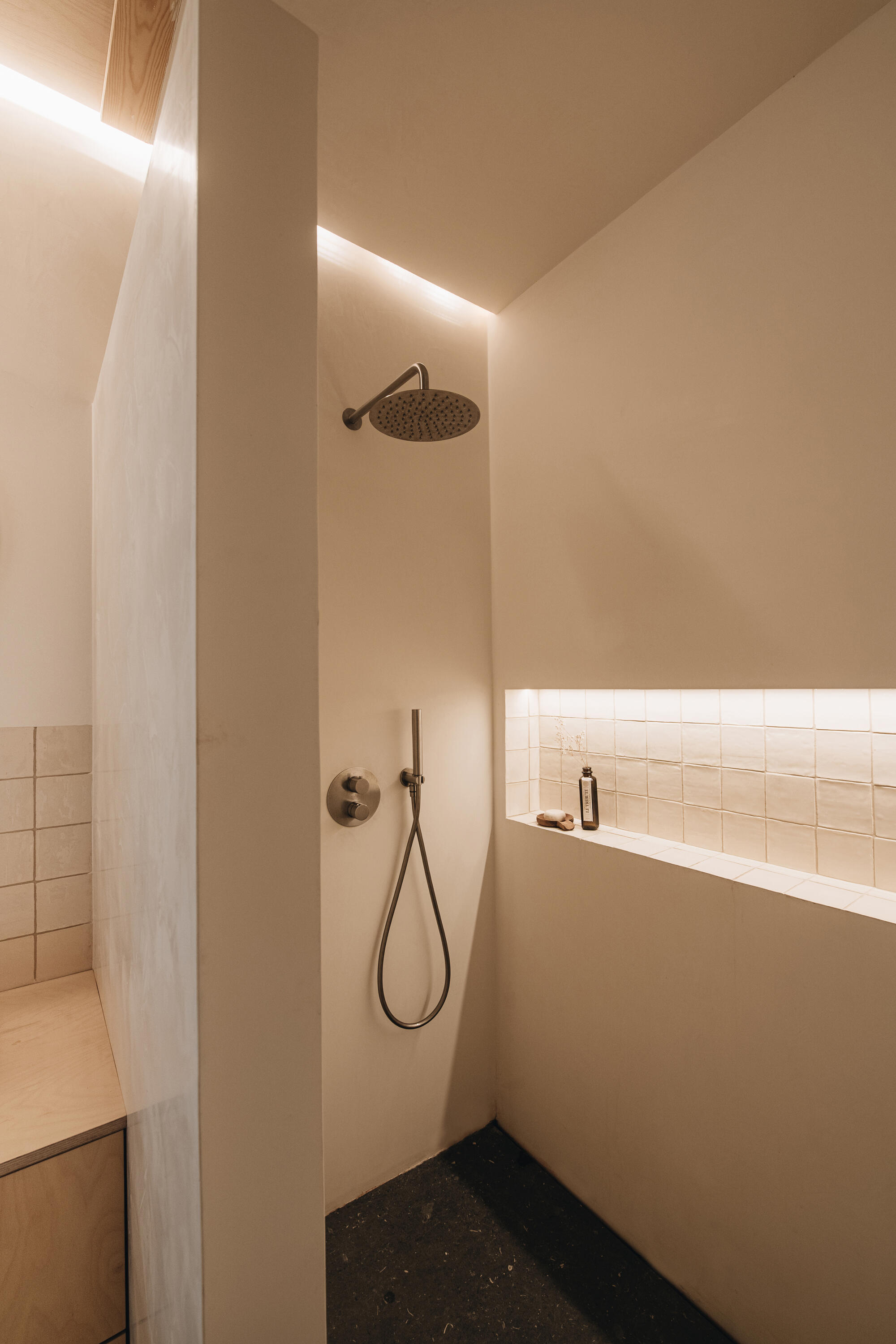
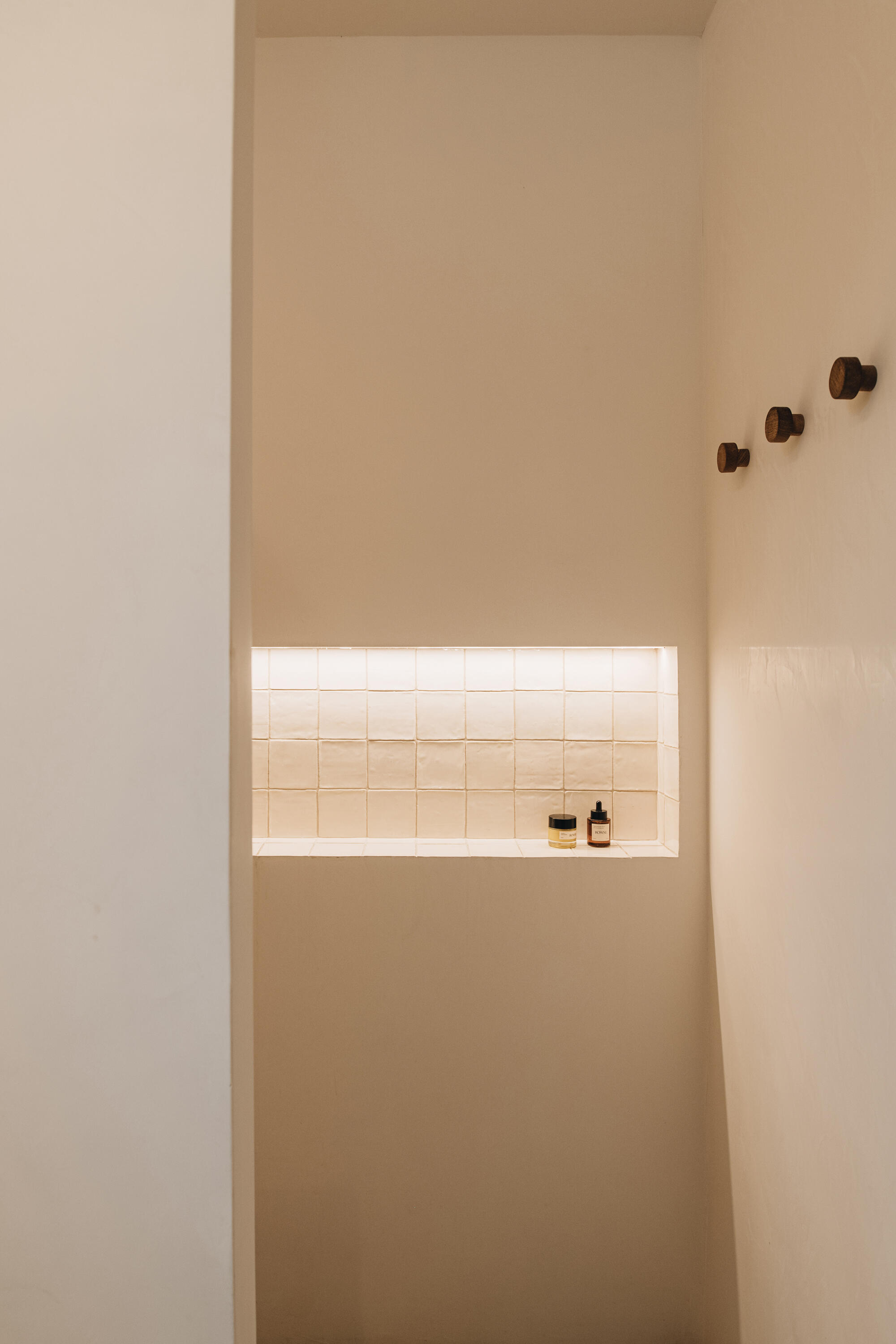
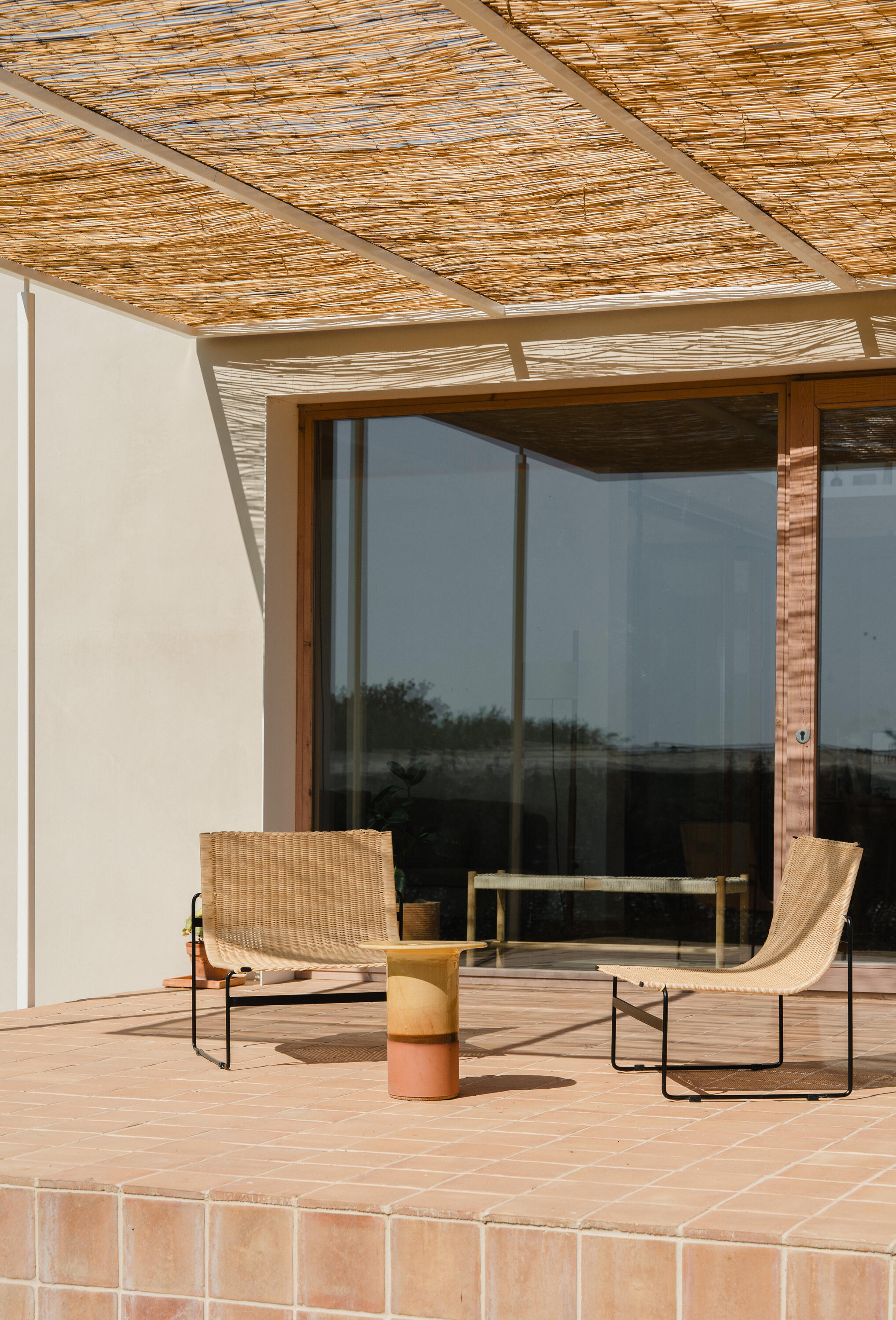
Local and natural materials define the project: cork, lime mortar, adobe, hydraulic tiles, and handmade ceramics are used throughout floors, skirtings, exterior surfaces, and small architectural details. Inside, wood shapes both structure and furniture, creating a sense of continuity and warmth.
Traditional elements meet modern solutions: shutters have been motorized and are controlled by a smart system that adjusts them according to sun exposure and wind. Outside, a perimeter of ceramic gravel aids drainage, completing a construction approach where every decision balances practical knowledge and technical skill.
Casa Al Pradet shows how self-construction, contemporary techniques, and local traditions can coexist in a home that is both functional and rooted in its landscape. It is a residence built from within, reflecting the essence of Mediterranean life in every detail.
| Download | |
|---|---|
| Studio | Clara Crous Arquitectura |
| Author | Clara Crous Fort |
| Website | www.claracrous.com |
| Social media | www.instagram.com/claracrousarq |
| Design team | Jordi Collell Puig, Amanda Soler Vela |
| Client | Clara Crous Fort, Carles Torracabota Bosch |
| Project location | Vilamacolum |
| Project country | Spain |
| Completion year | 2024 |
| Gross floor area | 235 m² |
| Usable floor area | 210 m² |
| Photographer | Montse Capdevila, www.montsecapdevila.com |
| Collaborators and suppliers | Technical architect: Francesc Xavier Coromina Corominas Contractor: Fustech Carpentry: Deco Fusta Pey Blacksmith: Moragas Salvans Kitchen: Albert Aubach Technical installations: Jaume Ruiz Innovative wood solutions: 7VETES Polished concrete floor: Grup Curanta |
| Featured brands | Alex Mestre Blasco&Vila Calma Outdoor Carl Hansen & Søn Icónico IHI Studio JUNG Marset Mosaics Torra Santa & Cole Siete Formas Vergés Design |