Rony Plesl | Uranium Glass
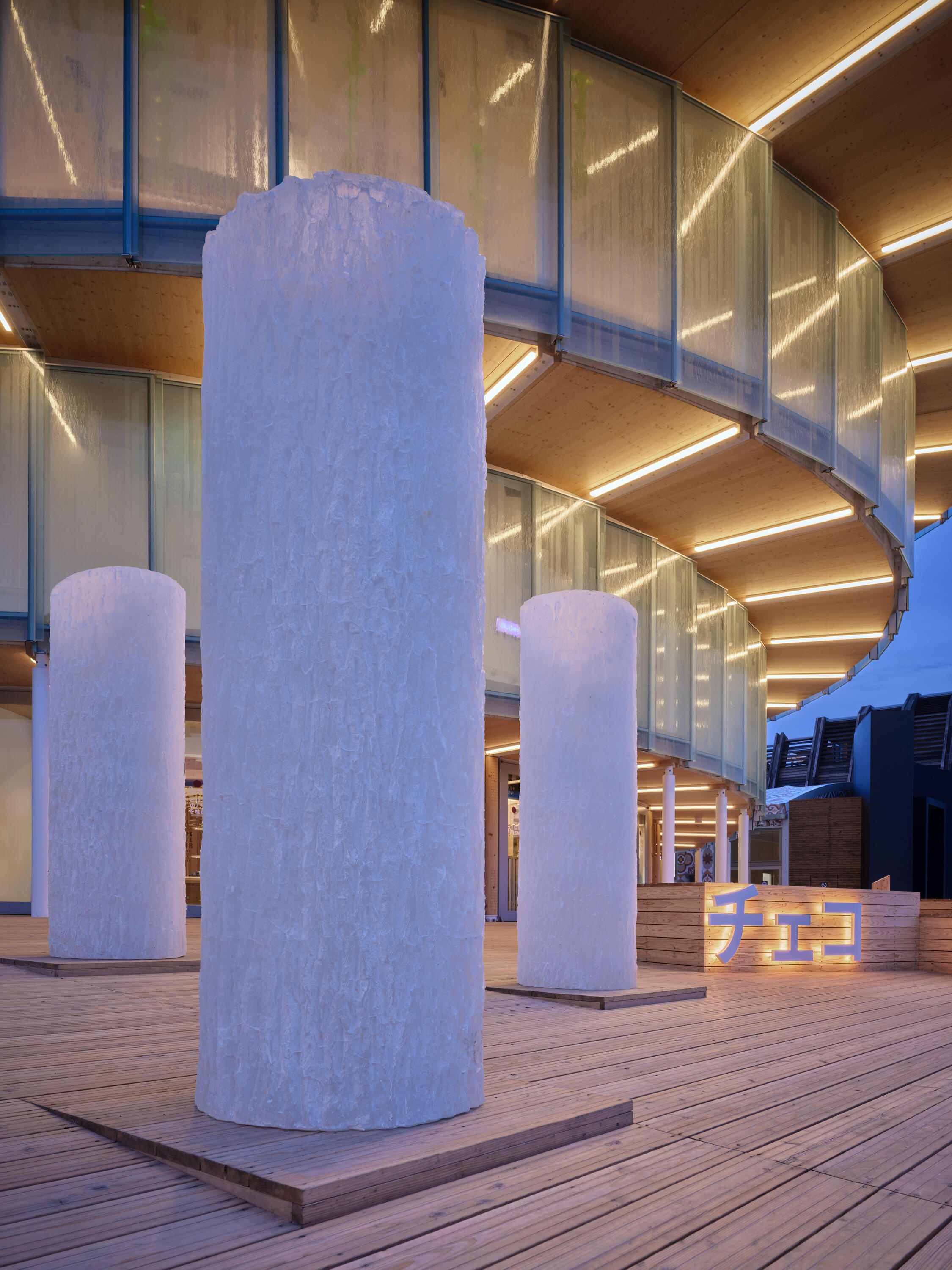
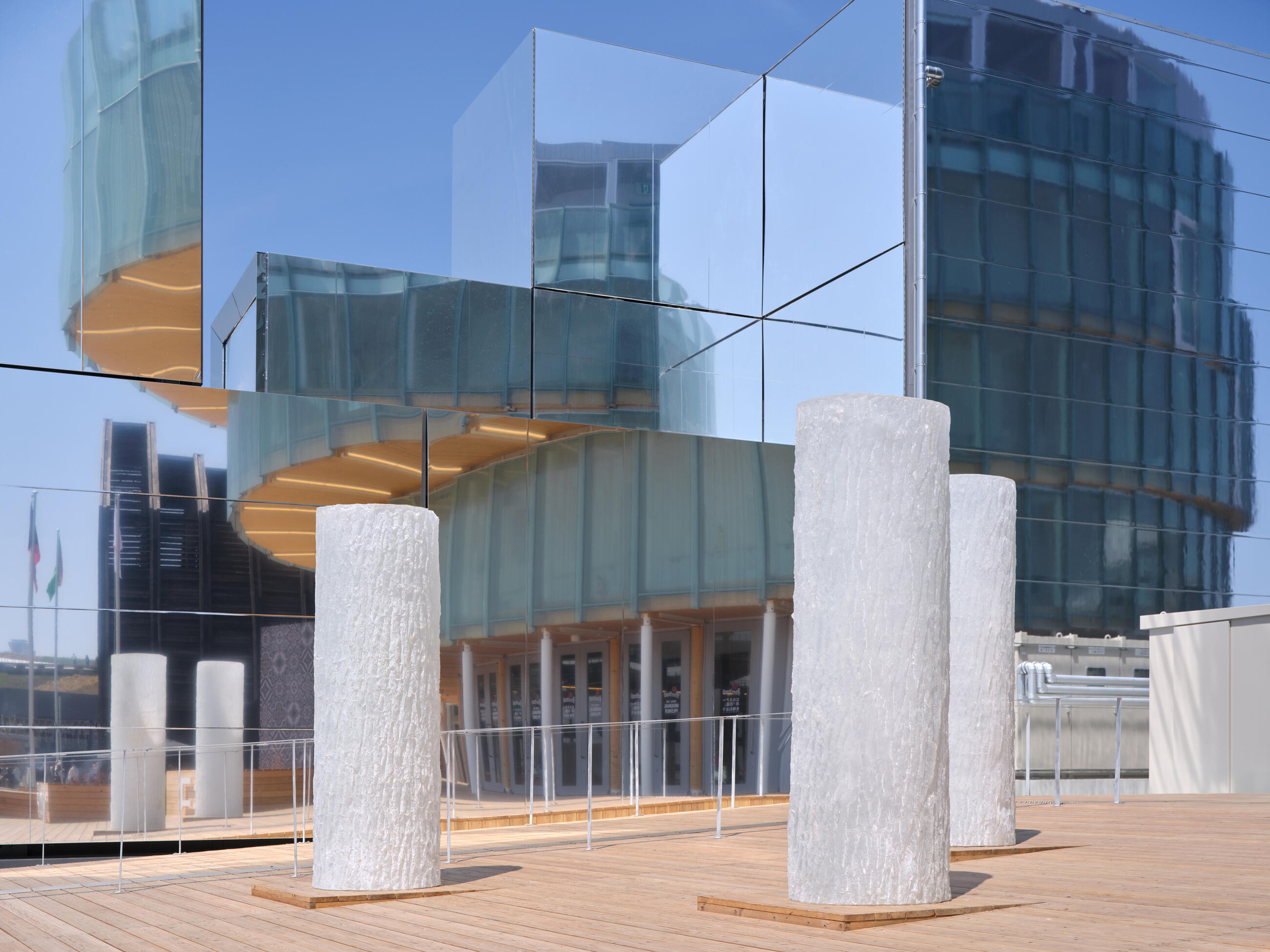
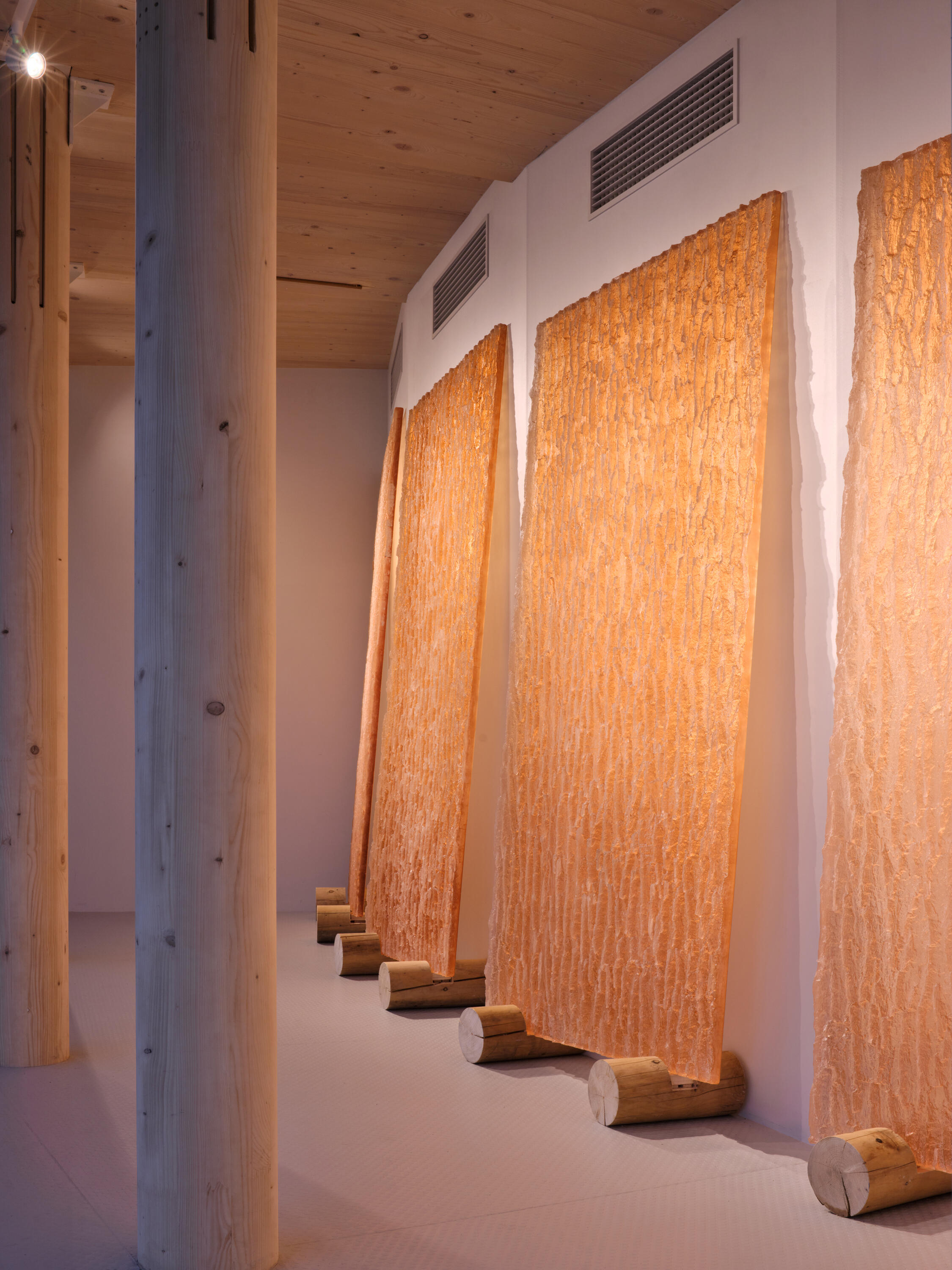
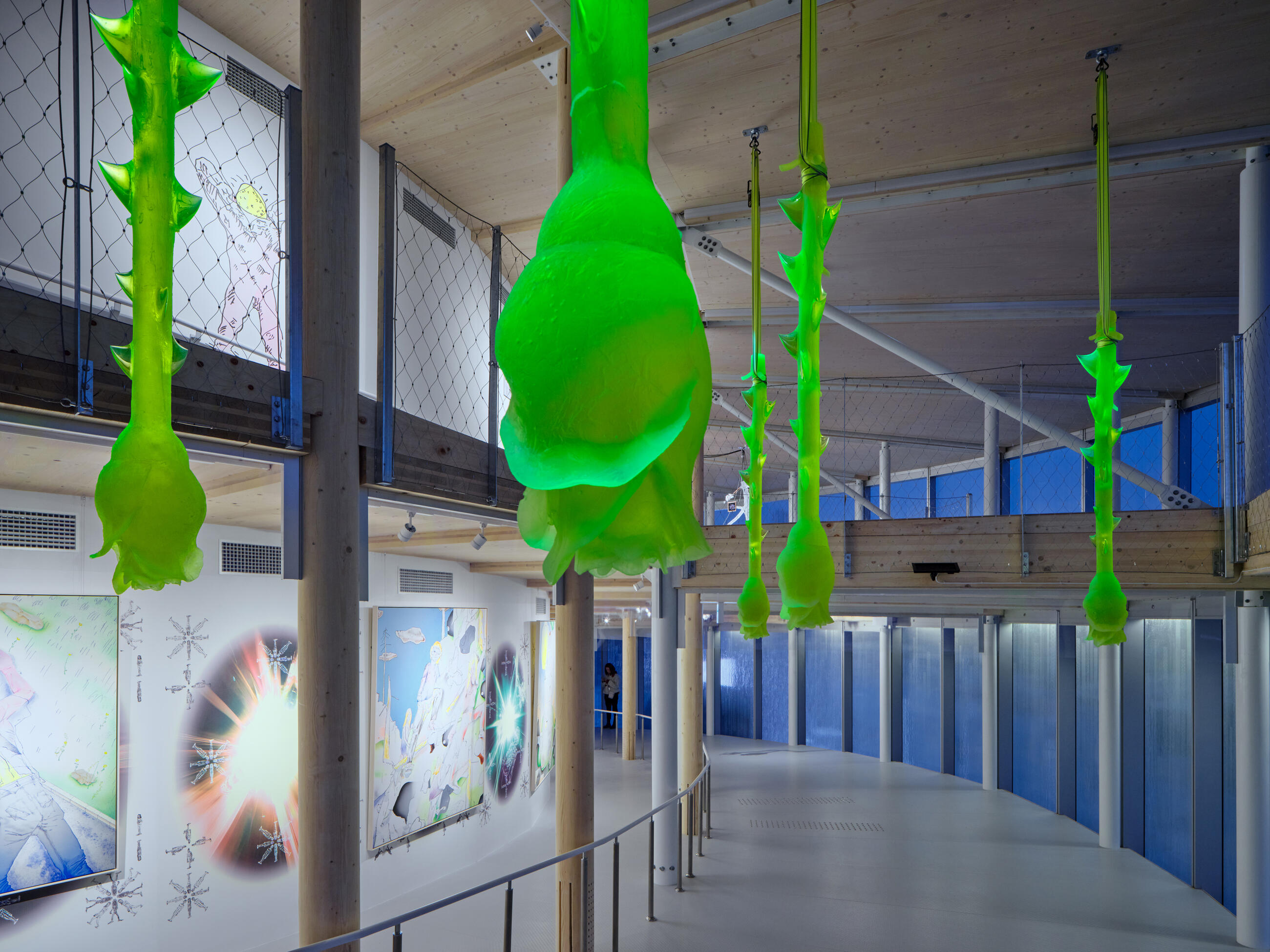
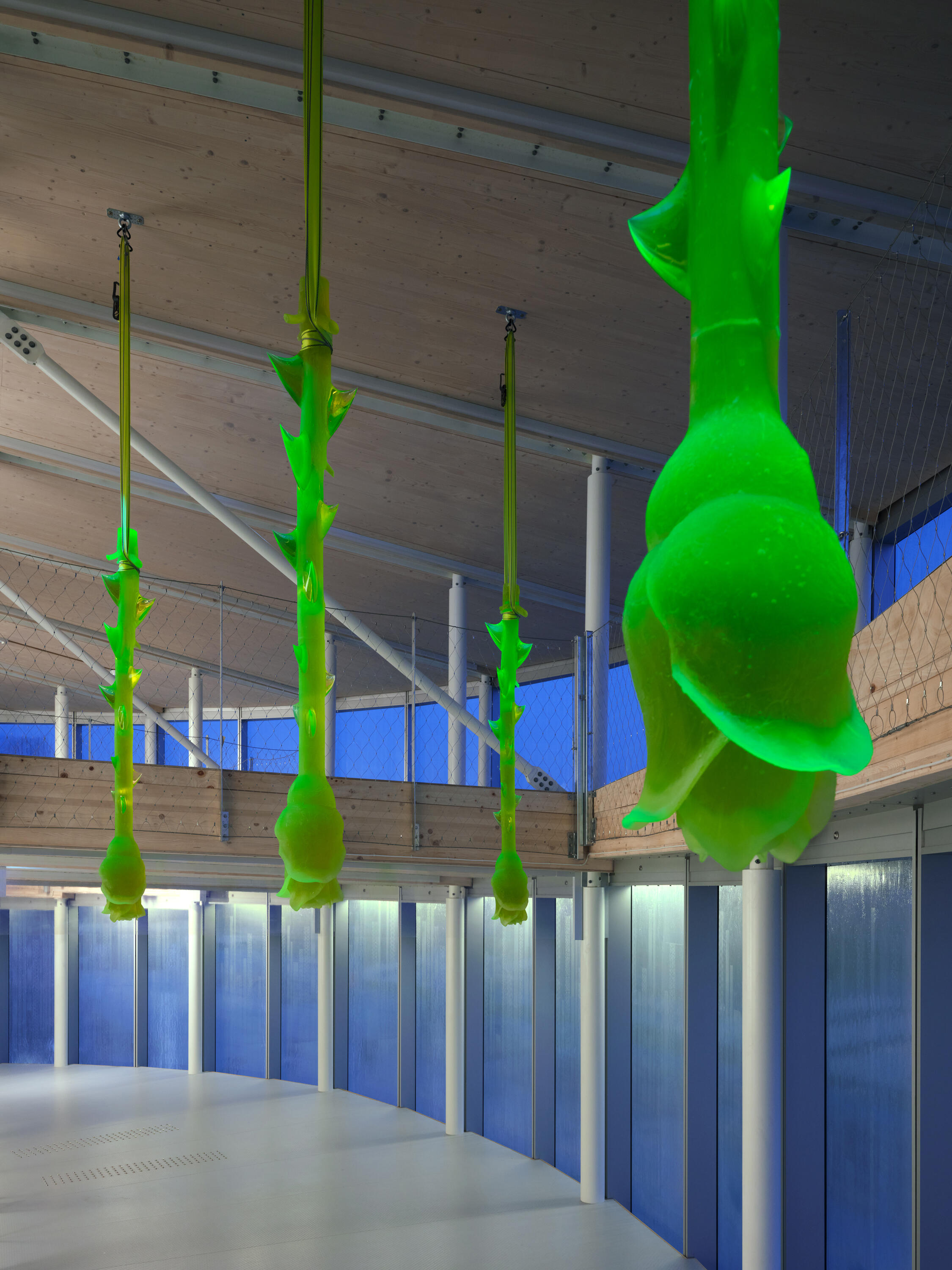
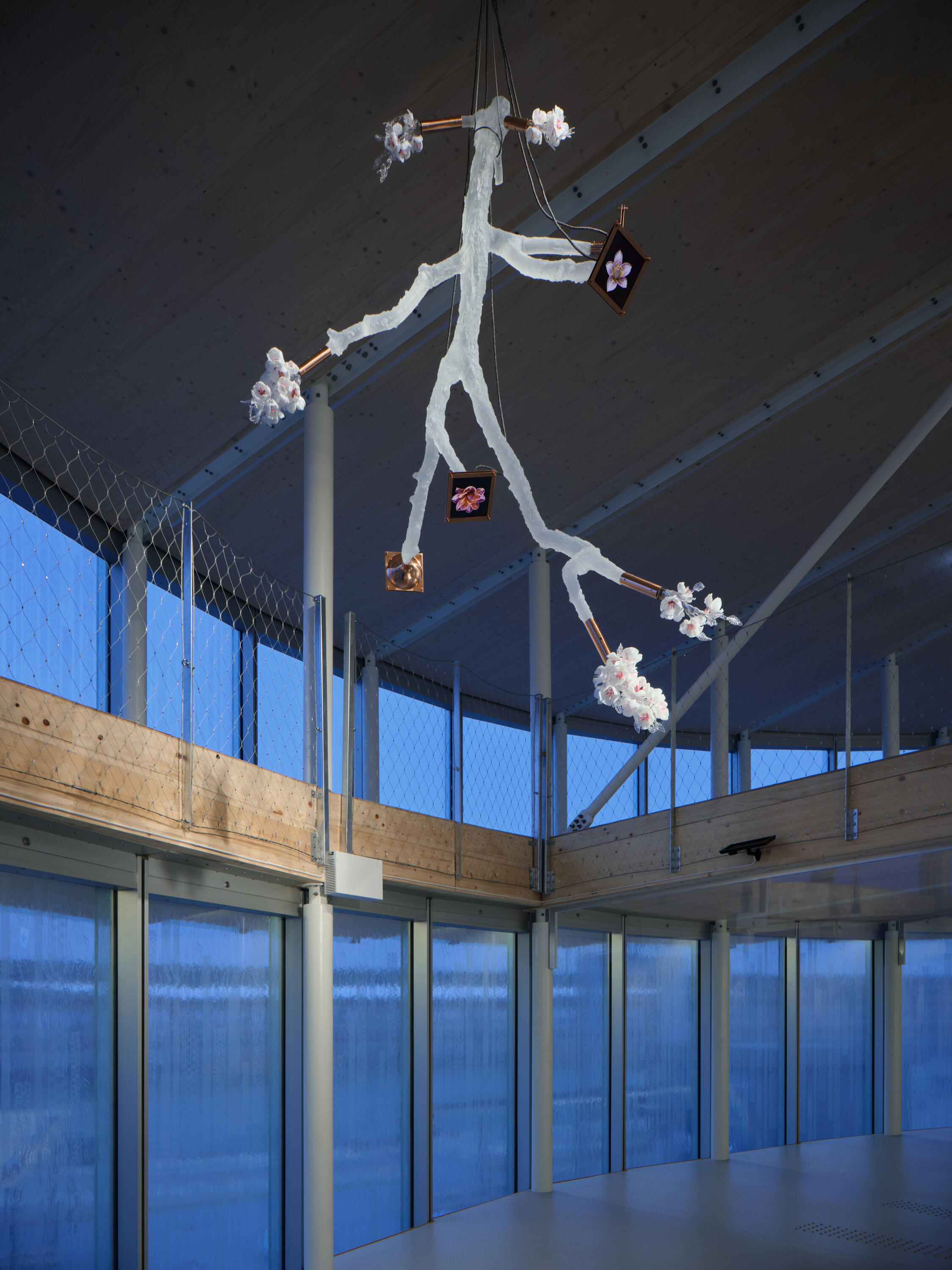
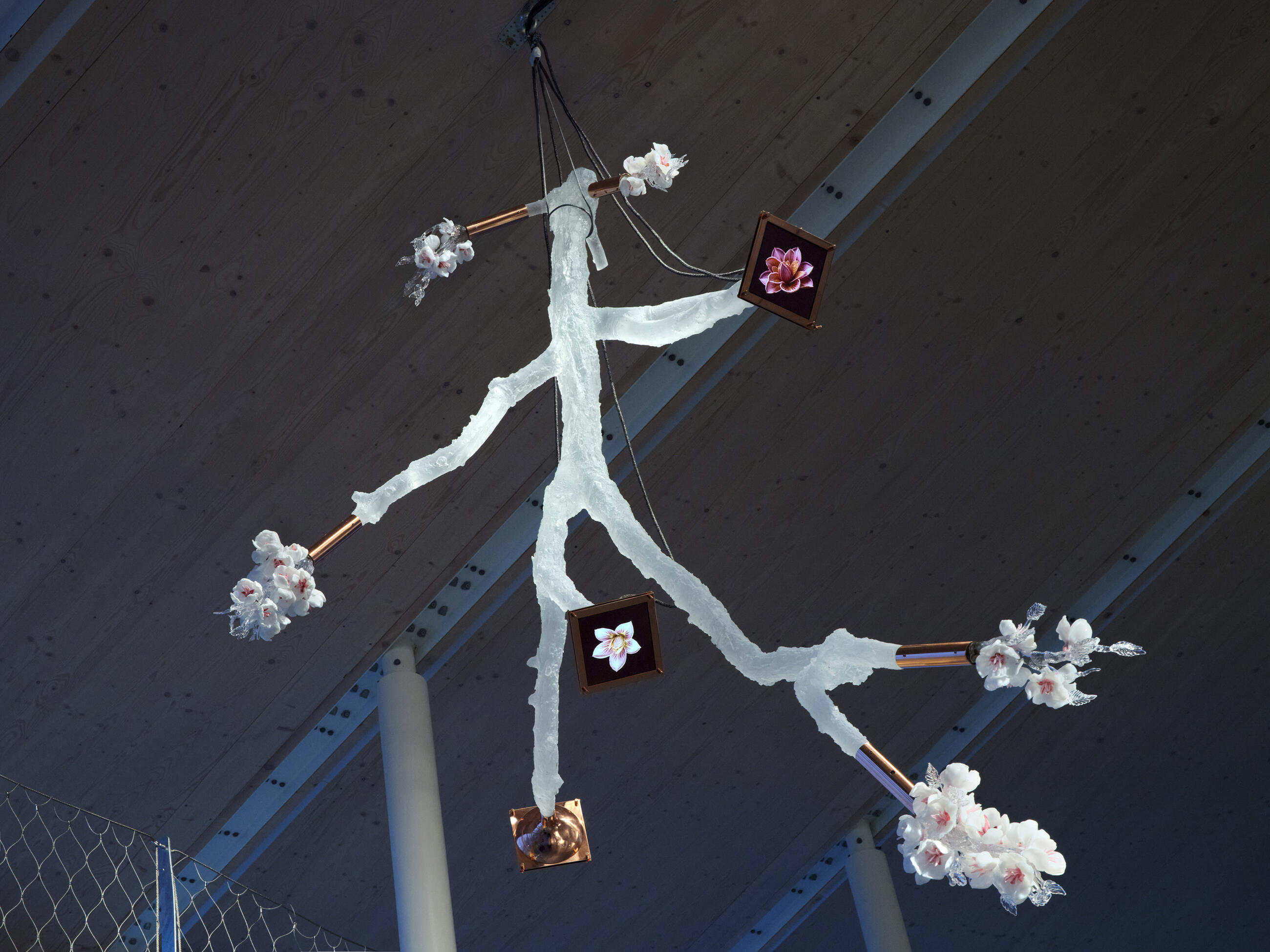
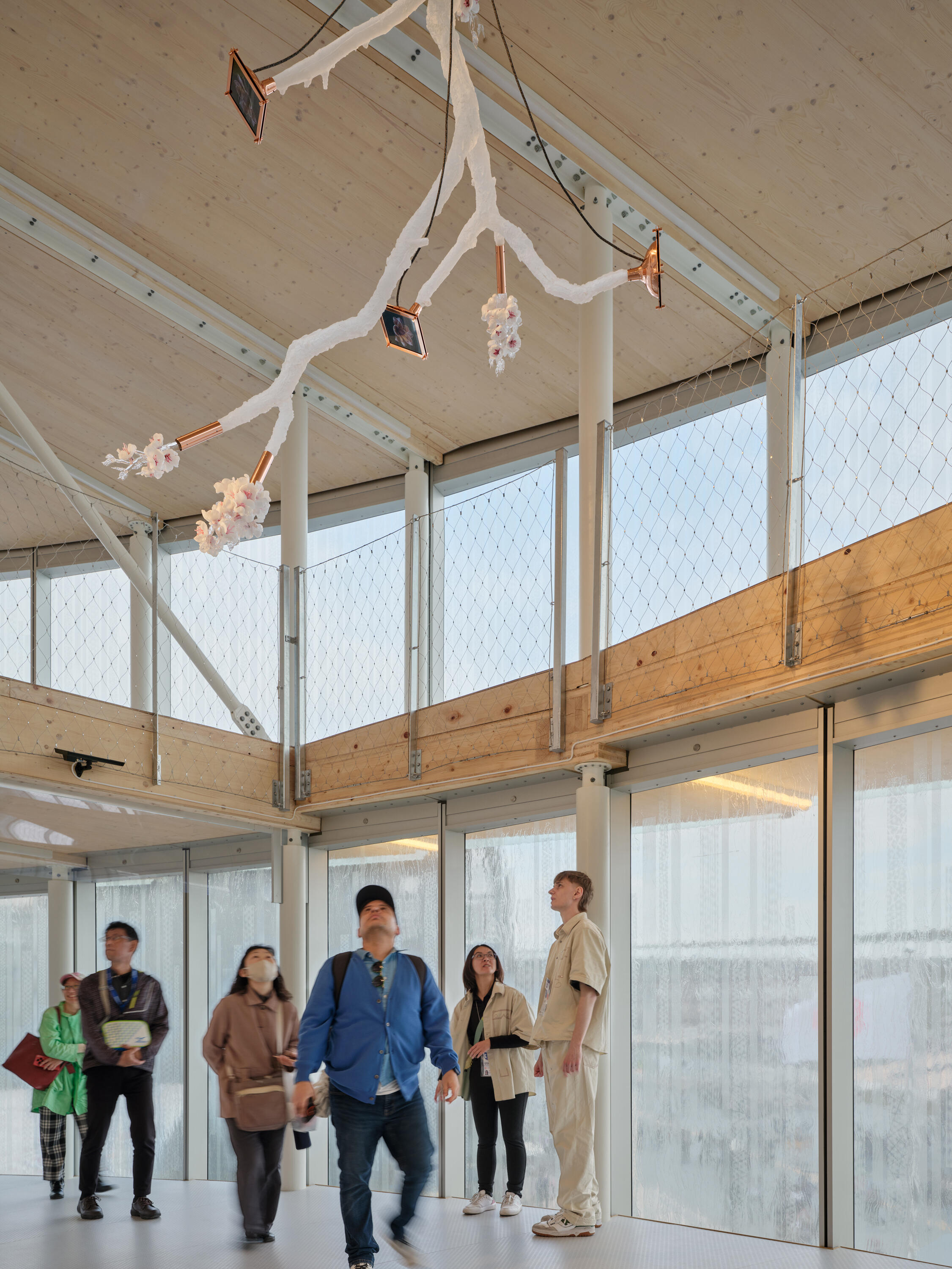
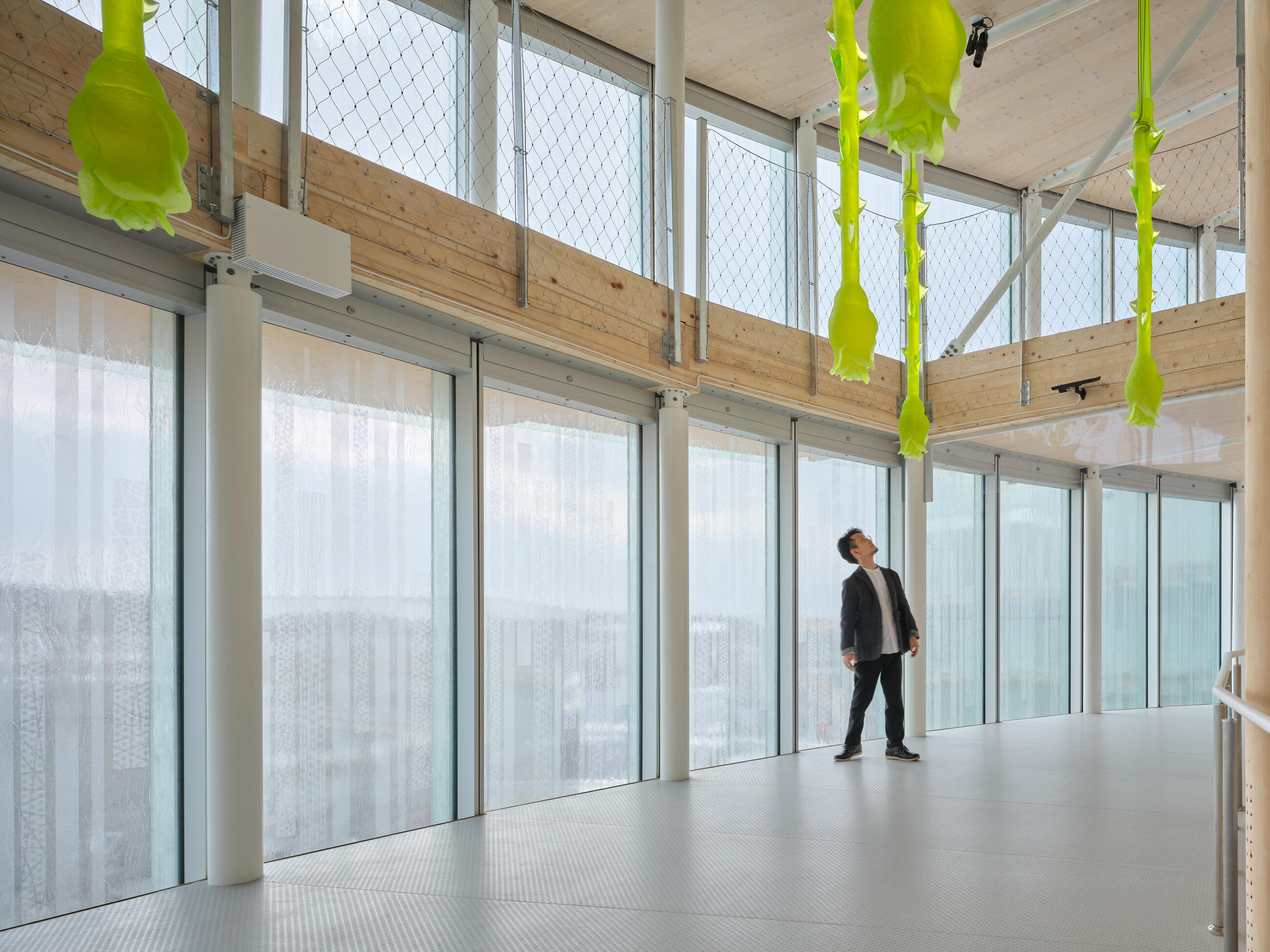
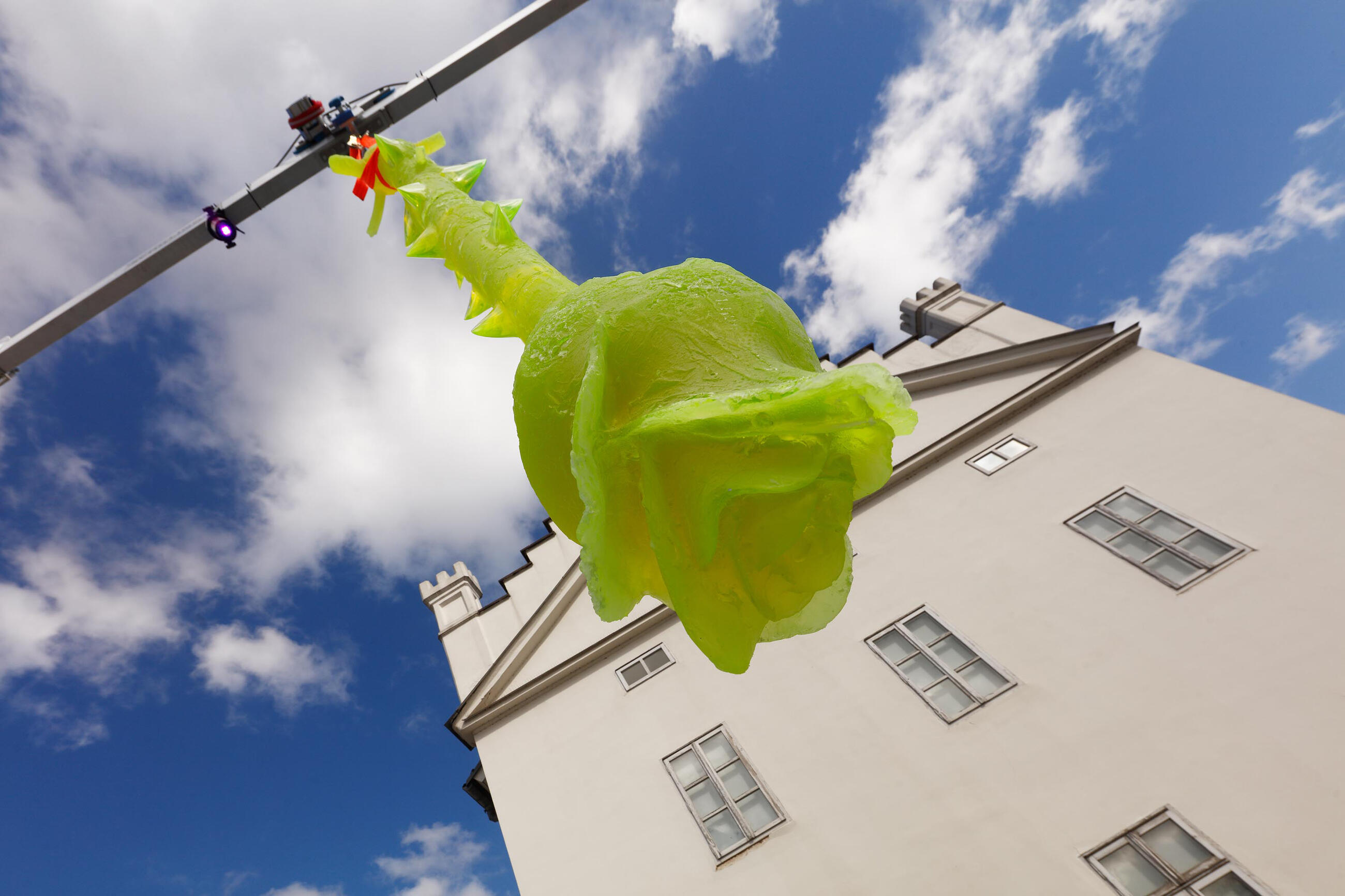
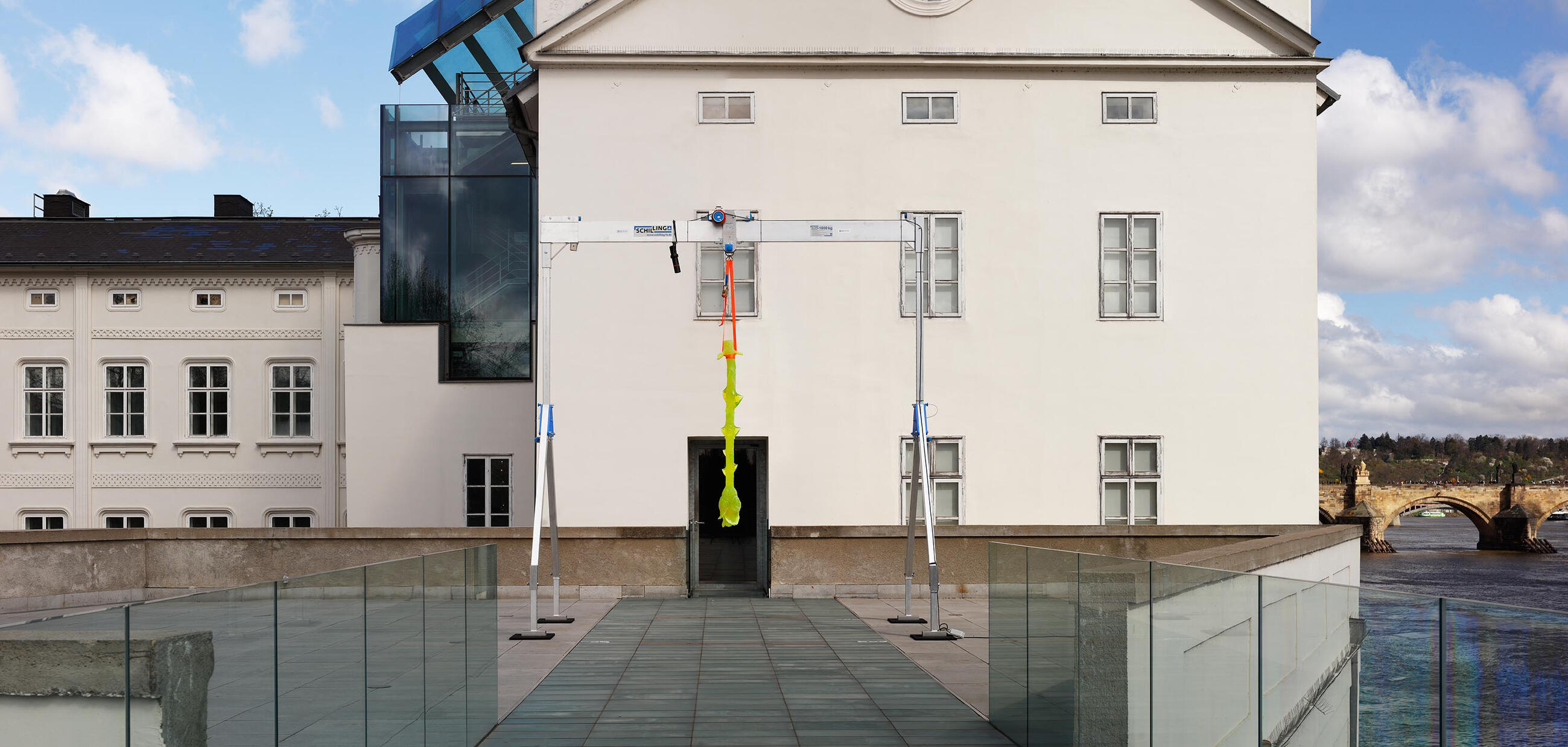
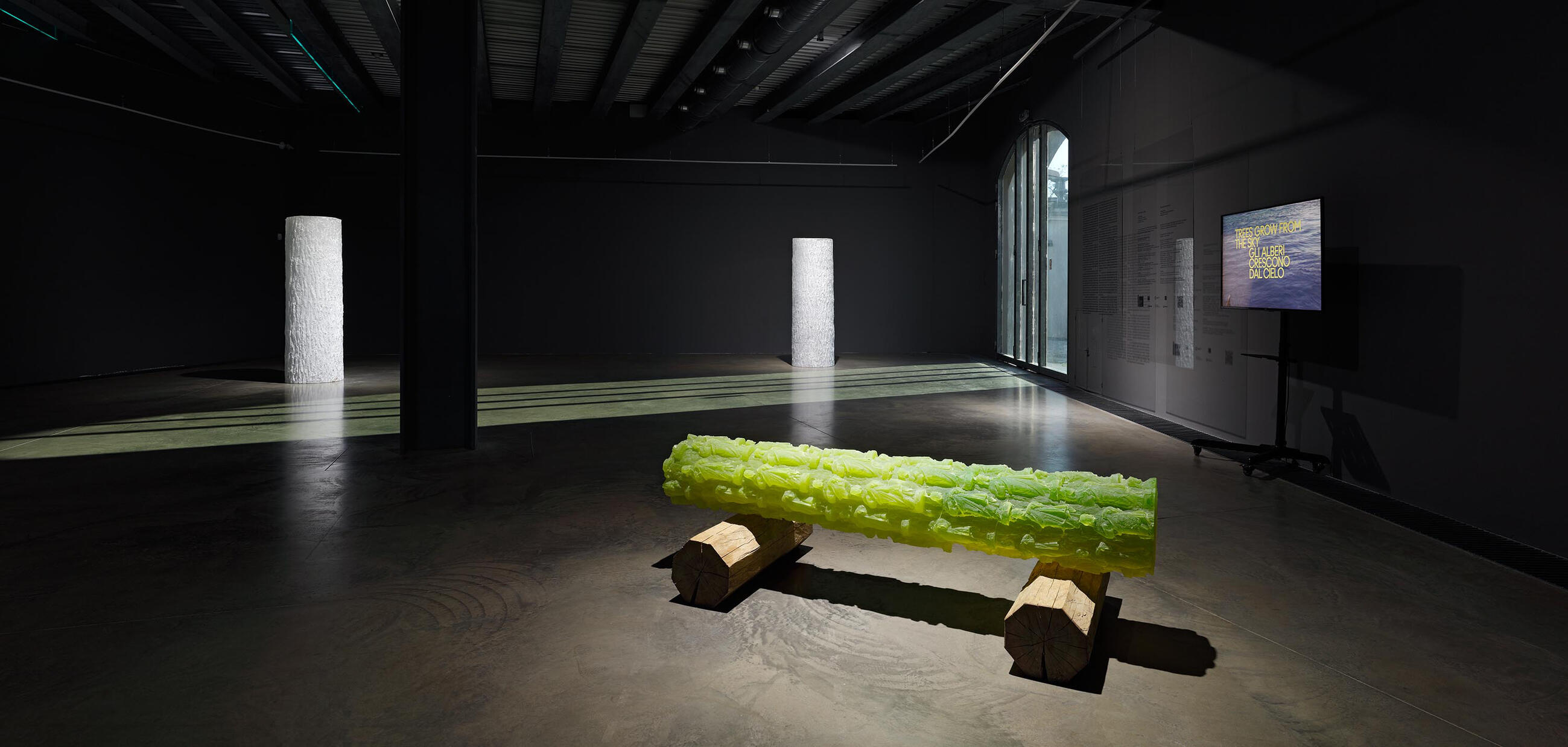
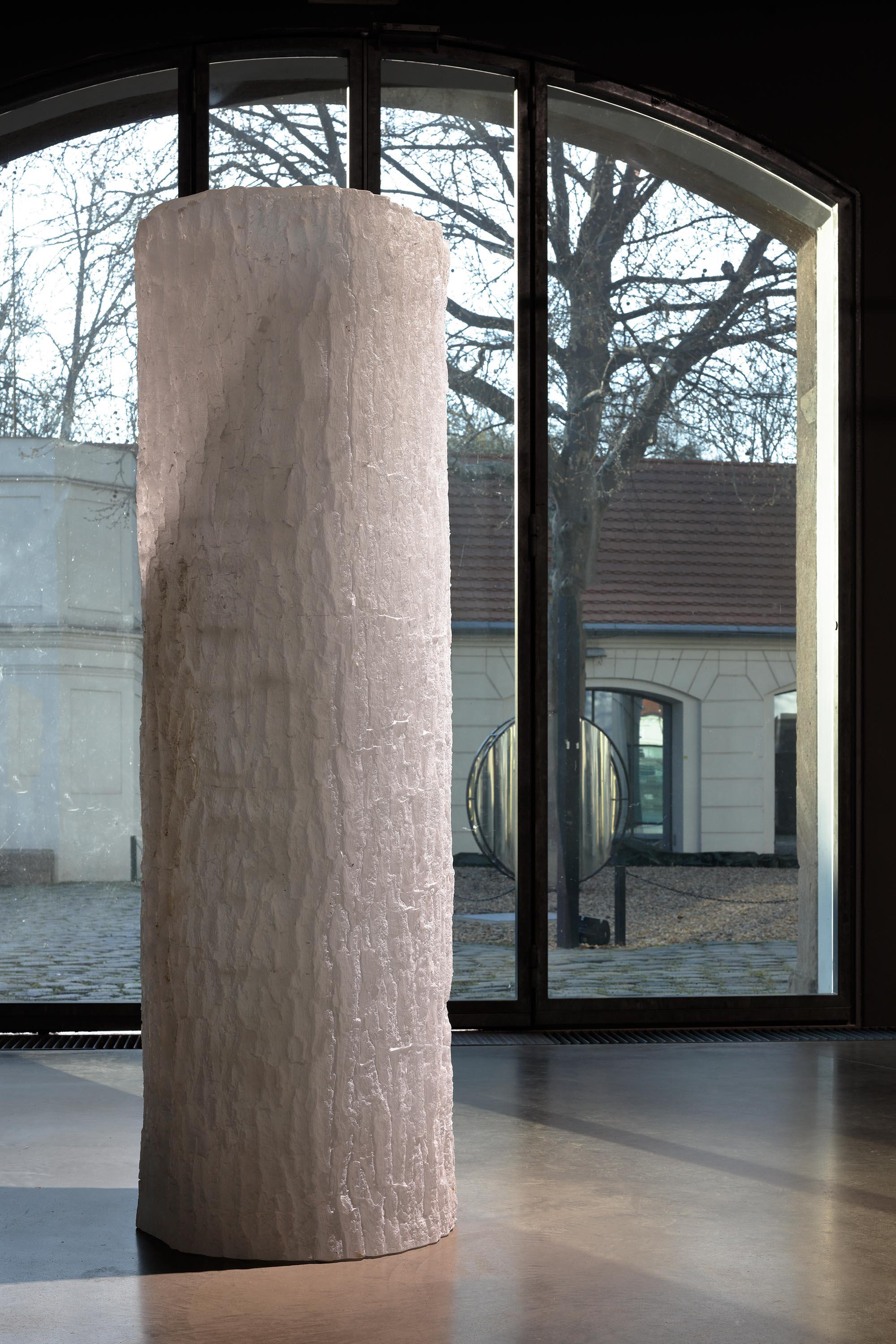
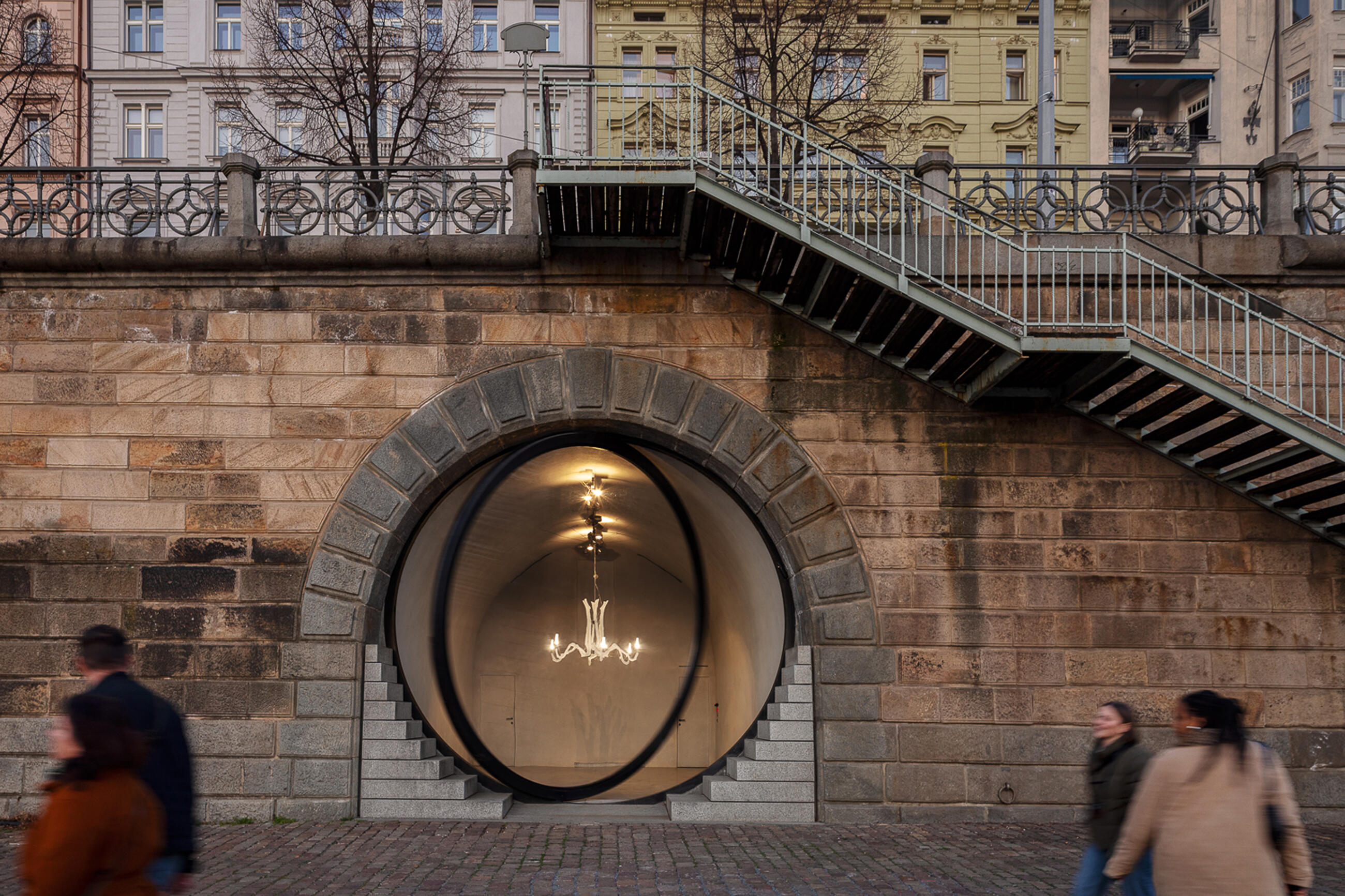
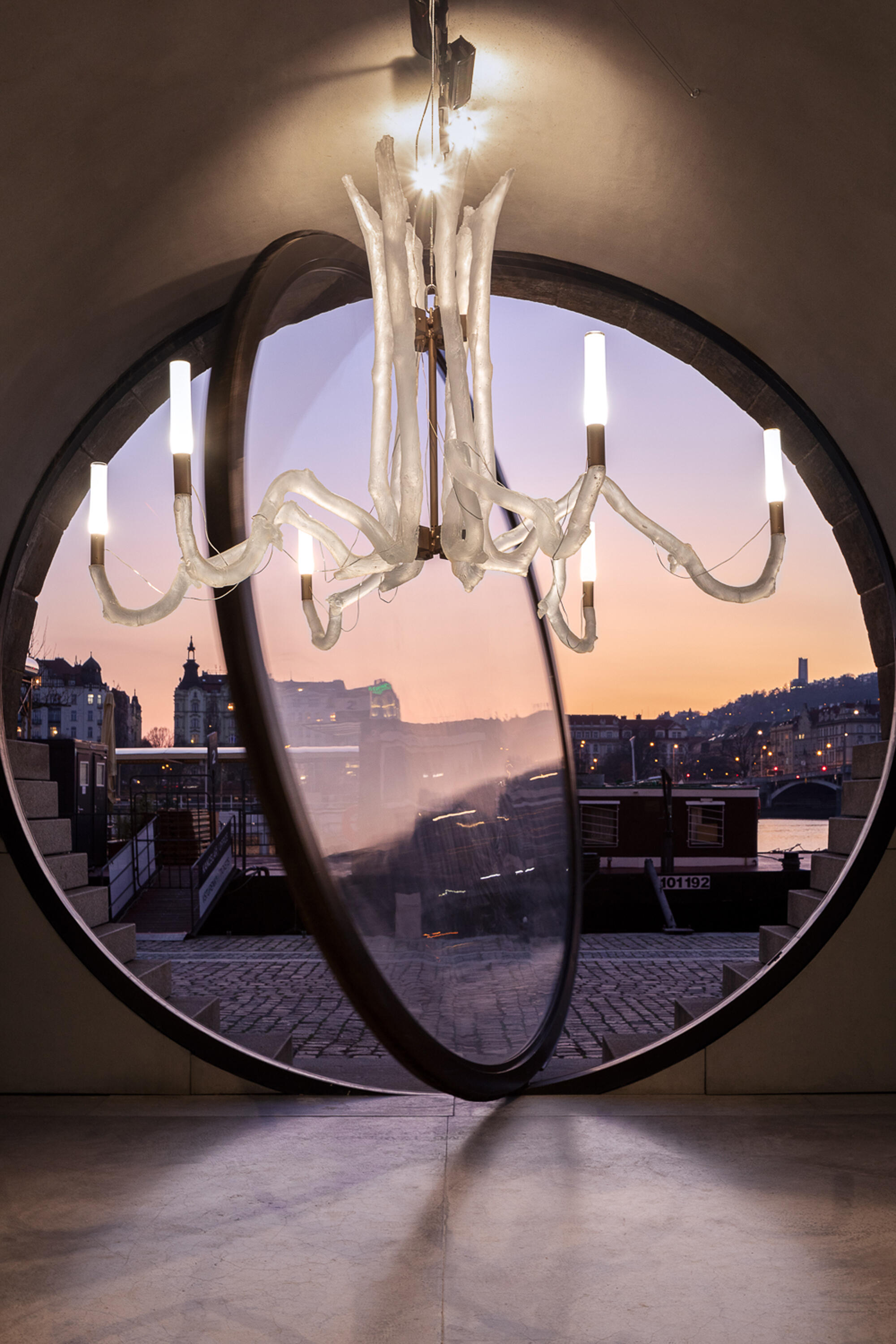
For glass artist and long-standing head of the Glass Studio at Prague’s UMPRUM, working with uranium glass is a defining element of his practice. He uses it regularly not only for smaller glass objects, such as drinking glasses, but above all for large-scale glass installations. Key milestones include the presentation of sculptures made of fused uranium glass at the Victoria and Albert Museum in London, exhibitions at Museum Kampa, and the Queen Anne’s Summer Palace in Prague. Together with Jiří Šín, Rony Plesl also presented works made of uranium glass at EXPO 2025 in Osaka.
– Uranium glass, which you work with, offers an almost limitless range of applications. You have designed sculptures composed of glass tubes measuring 600 mm in length and 60–80 mm in diameter, as well as delicate drinking glasses. Is there currently any size limit to uranium glass?
At present, the only limit is the size of the furnace—approximately 2.5 metres high and about 1.5 metres wide. Prior to installation, there is a five-metre-long furnace waiting for its first commission for a large-scale piece, at which point it will be put into operation.
– You have been working with uranium glass for almost 30 years. Why did it captivate you, and what continues to attract you to it?
Uranium glass has a magical colour and history. It is essentially a Czech invention, although the first uranium-coloured glass dates back to the Roman Empire.
– Is working with uranium glass more expensive than working with clear glass?
It is somewhat more expensive, but not significantly so.
– Uranium gives the glass its characteristic phosphorescent colour. Can the intensity and shades be significantly influenced?
The intensity is influenced by the amount of uranium added to the melt and, of course, by ultraviolet light.
– Which major realization in uranium glass would you highlight?
The largest piece of uranium glass is a hanging uranium rose measuring over two metres, which was installed for several months on an outdoor terrace during my exhibition at Museum Kampa.
– Do you follow how popular uranium glass is in an international context?
Older pieces from the 19th century are certainly popular in the antiques market. Among my collectors, I see that uranium glass is almost always preferred over other colours.
– Uranium is a radioactive element. Although scientific studies have not shown the amount used in uranium glass to be hazardous, are there situations or spaces where you personally would not recommend its use for safety reasons?
No. Uranium glass is certified as safe; you can even drink from it.
– What are the delivery timeframes? Do many glassworks work with uranium glass, or does its specificity limit availability?
As far as fused sculpture is concerned, we have sufficient stocks of uranium semi-finished products and can respond immediately to enquiries. For hotshop production, however, uranium is melted only occasionally in most glassworks, and one has to wait for a suitable slot. In most cases, delivery is within six months.
– Is uranium glass used primarily for artistic sculpture, or can it also serve a purely practical function, such as an interior partition?
In the vast majority of cases, the material is used for authorial, limited-edition glass. In architecture, however, artistic concepts are often combined with purely functional solutions.
| Professional | Rony Plesl |
|---|---|
| Website | www.ronyplesl.com |
| Social media | www.instagram.com/rony_plesl www.facebook.com/profile.php |
| Photo credits | BoysPlayNice Anna Pleslová, www.annapleslova.com, foto@annapleslova.com Roman Mlejnek, www.romanmlejnek.cz, roman.mlejnek@gmail.com |
| Collaborators and suppliers | |