Tereza Šváchová | Experiments and Certification with Refined Glass
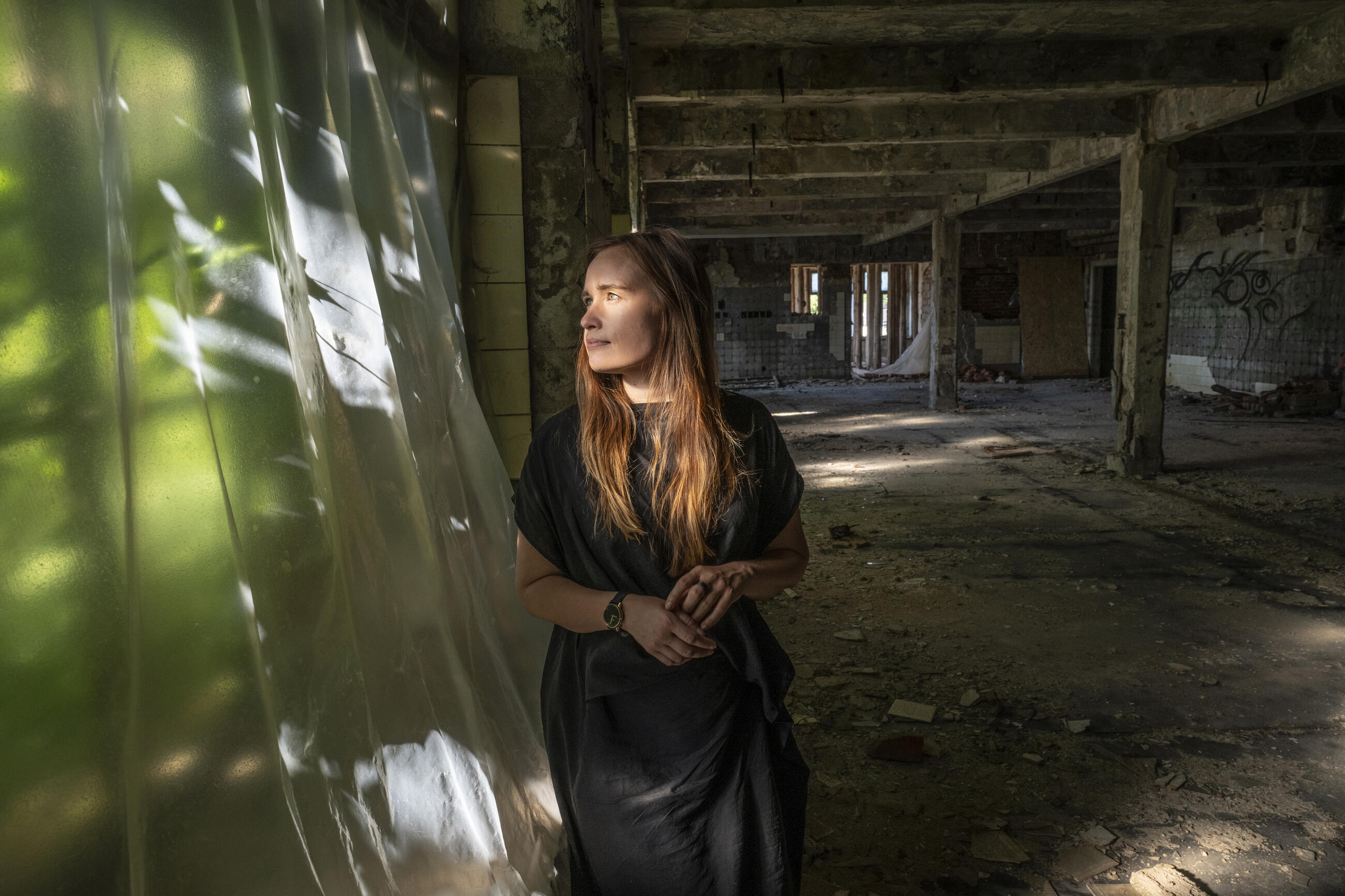
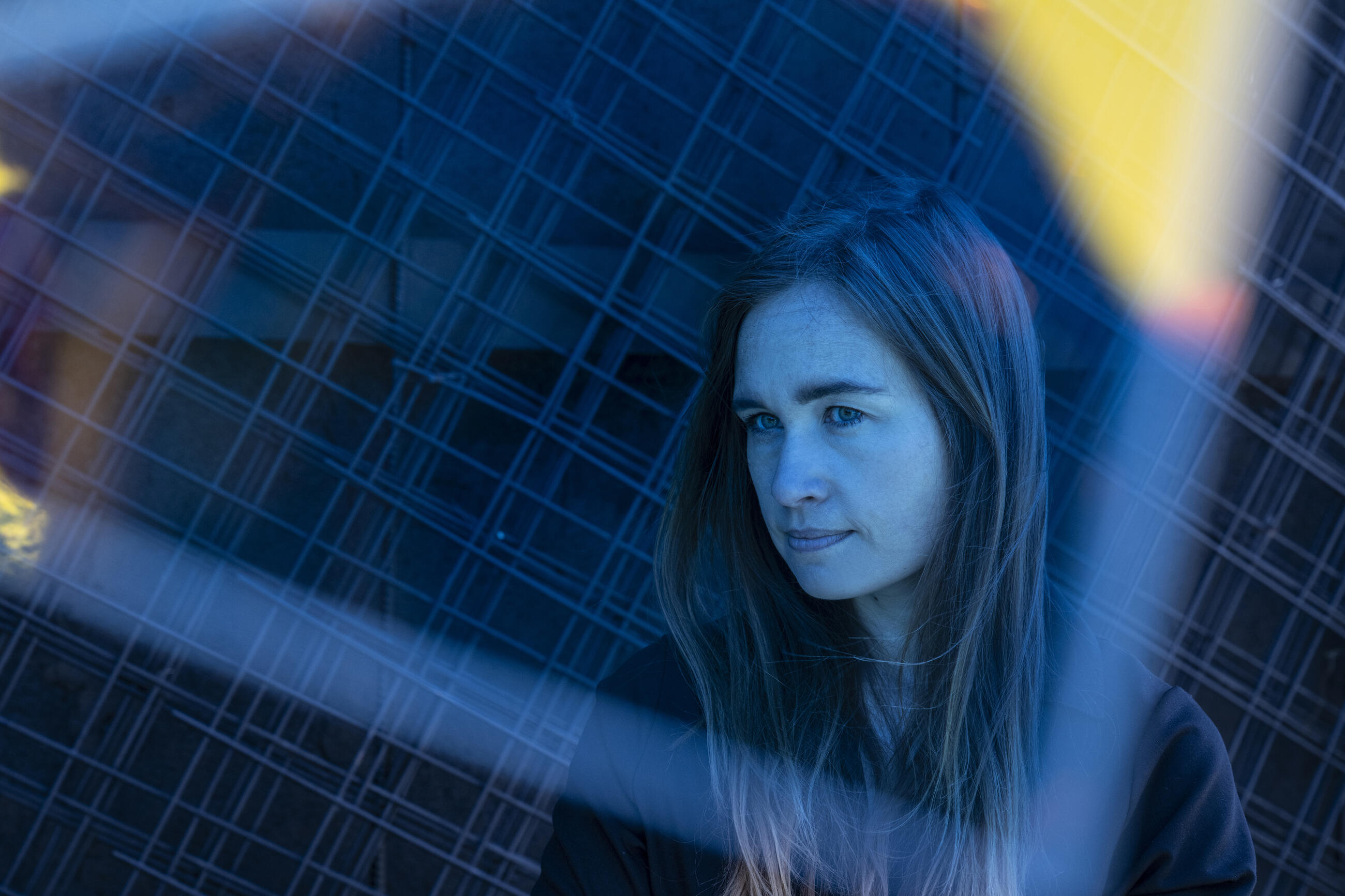
Few have as rich a technological background in artistic glass as Tereza Šváchová. The architect from the Crystal Valley grew up right at the source of the most advanced technological processes—in the glassworks of her father, Jaroslav Šváchy, one of the country’s leading glass technologists. Today, she herself expands the use of artistic glass in architecture through research at the Klokner Institute. Co-author of the Czech EXPO 2025 pavilion, she believes that glass both shapes and enriches space.
Learning From the Glass North
“You don’t go north for a glass or a chandelier—you go for a full experience. Mountains, forests, villages with historic houses and craft workshops. They draw you into the stories of glassmaking families and their craft. Murano in Venice is beautiful, but it represents just one type of glass. The Czech north knows all processing techniques. Its authenticity is incredibly important, and that’s why we architects should learn from it as well.”
The Elias Palme glassworks in Kamenický Šenov, from which crystal chandeliers were shipped worldwide, could in the future become a hub for both amateurs and professionals. Tereza already designed the reconstruction and program for “Eliášky” as her diploma project. Last year, the project, with significant international relevance, finally received regional support.
Luft Möbel
“We like to design architecture as a Gesamtkunstwerk, with everything that completes the space. My mentor, Peter Rath, a descendant of the Lobmeyr family, calls glass chandeliers furniture that shapes light and thus creates atmosphere. Paper lanterns from IKEA don’t have that ambition.”
In her diploma work for Eliášky, Tereza experimented with different room sizes, hanging individual chandeliers and observing how they changed the space—when a room felt round, when square, when the chandelier brightened it, when it darkened it.
“Enhanced glass can transform a space in priceless ways. Not as an unnecessary decoration, but as a new layer and a way of perceiving. Even when you pour water into a beautiful glass, its quality, shape, light, and the way you hold it bring joy. A small daily ritual that makes your day better. For me, glass in architecture serves the same purpose—it enriches space, it enriches life.”
Is a Space Filled with Light Really Empty?
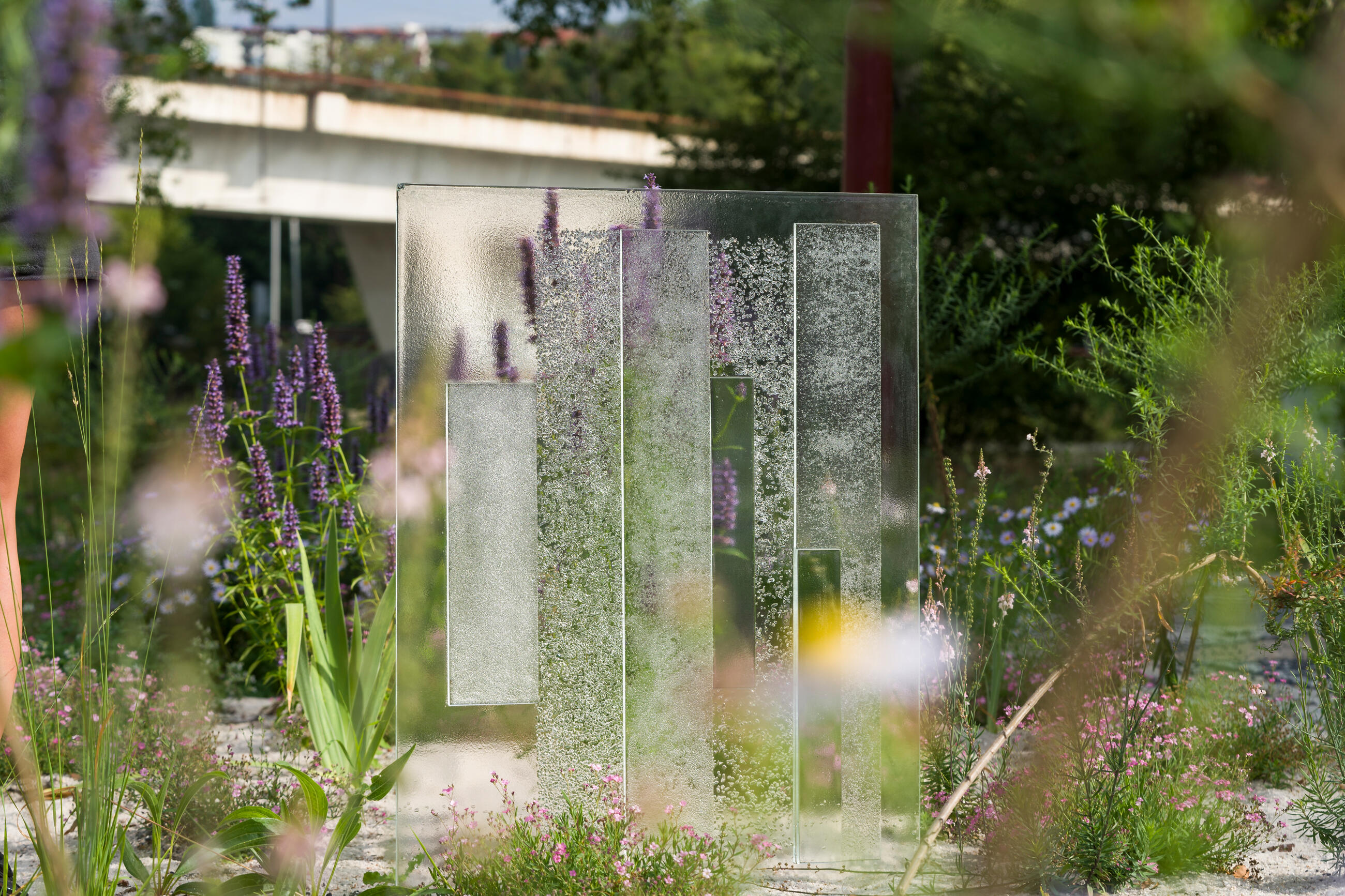
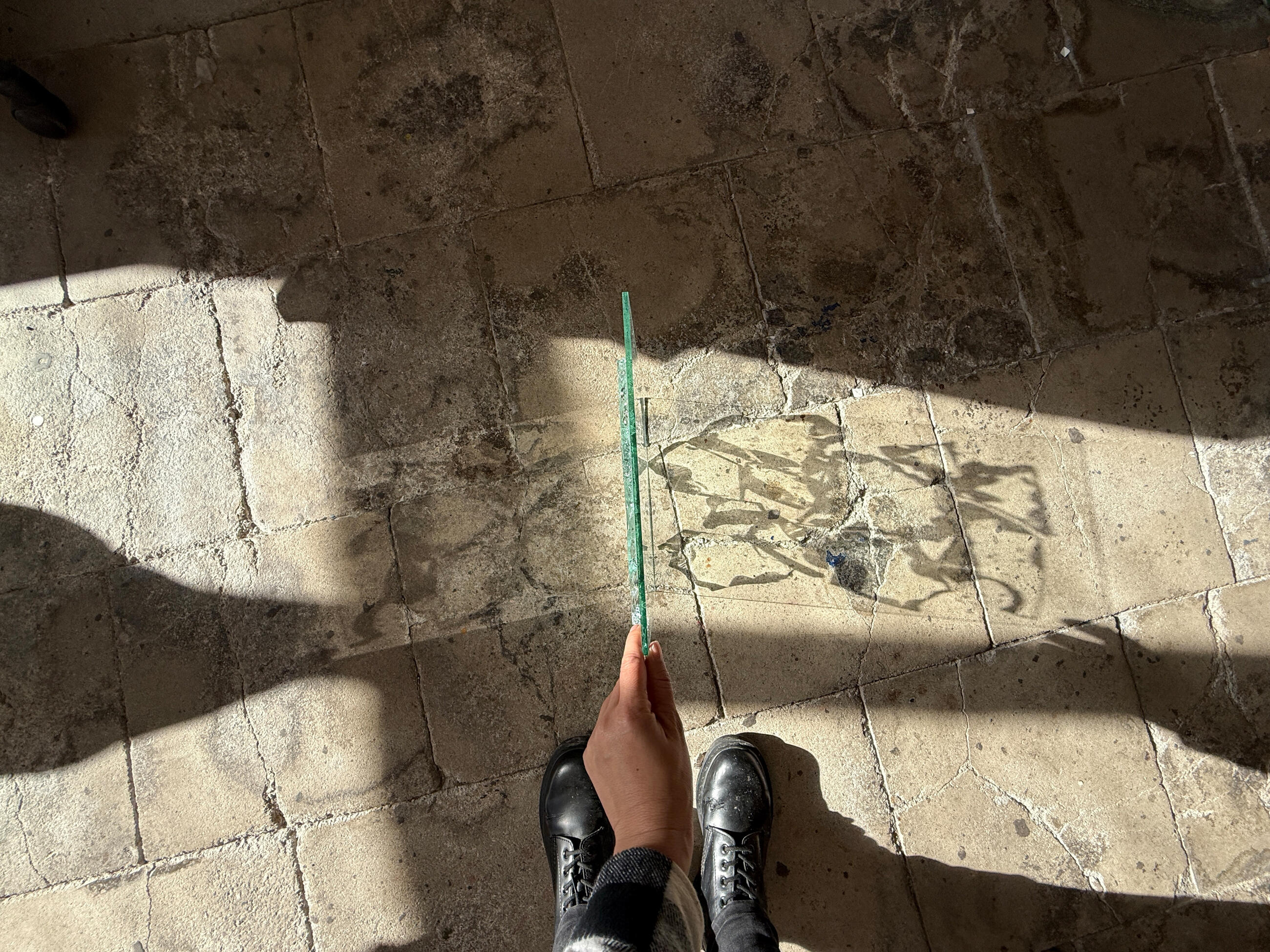
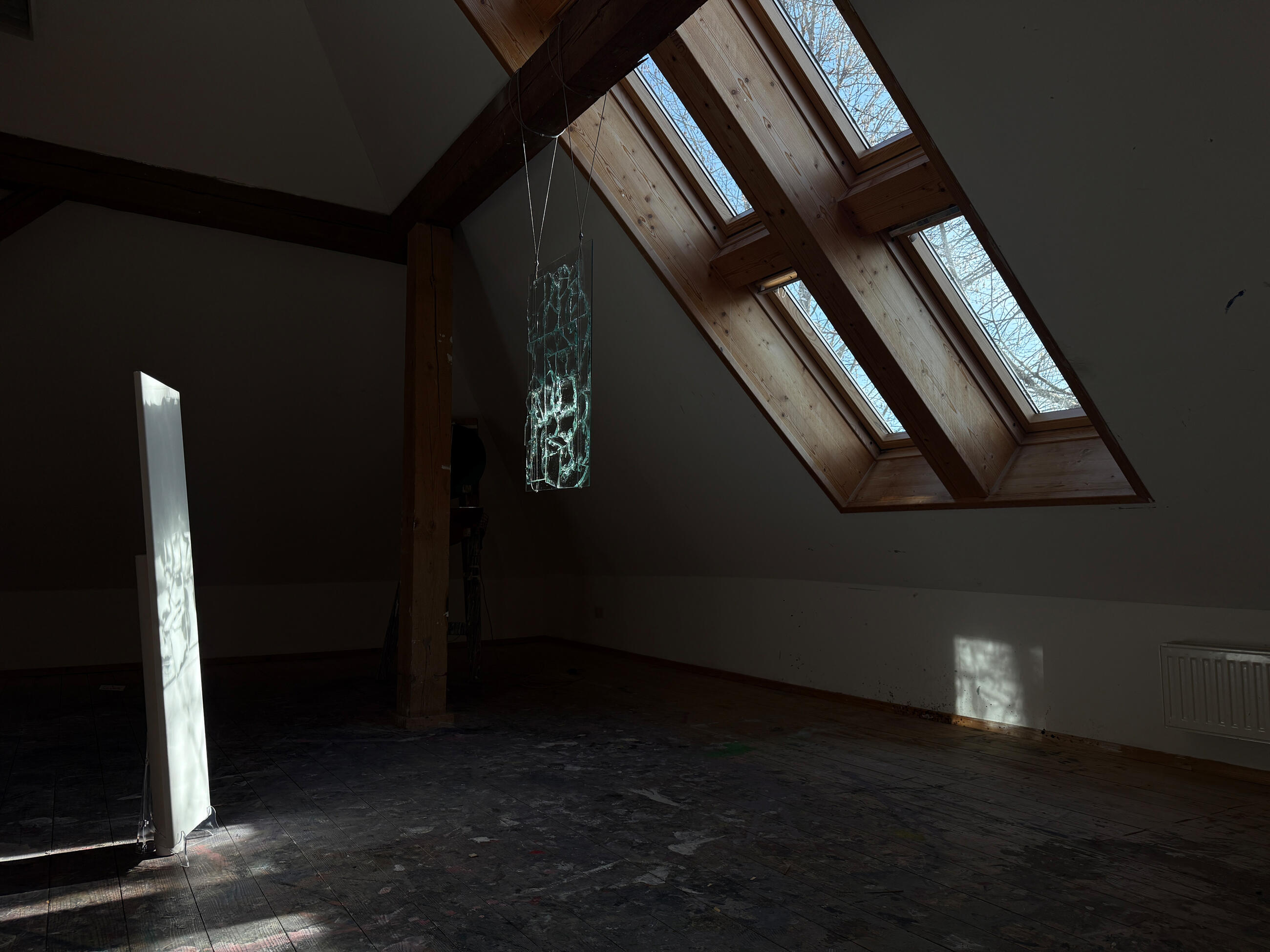
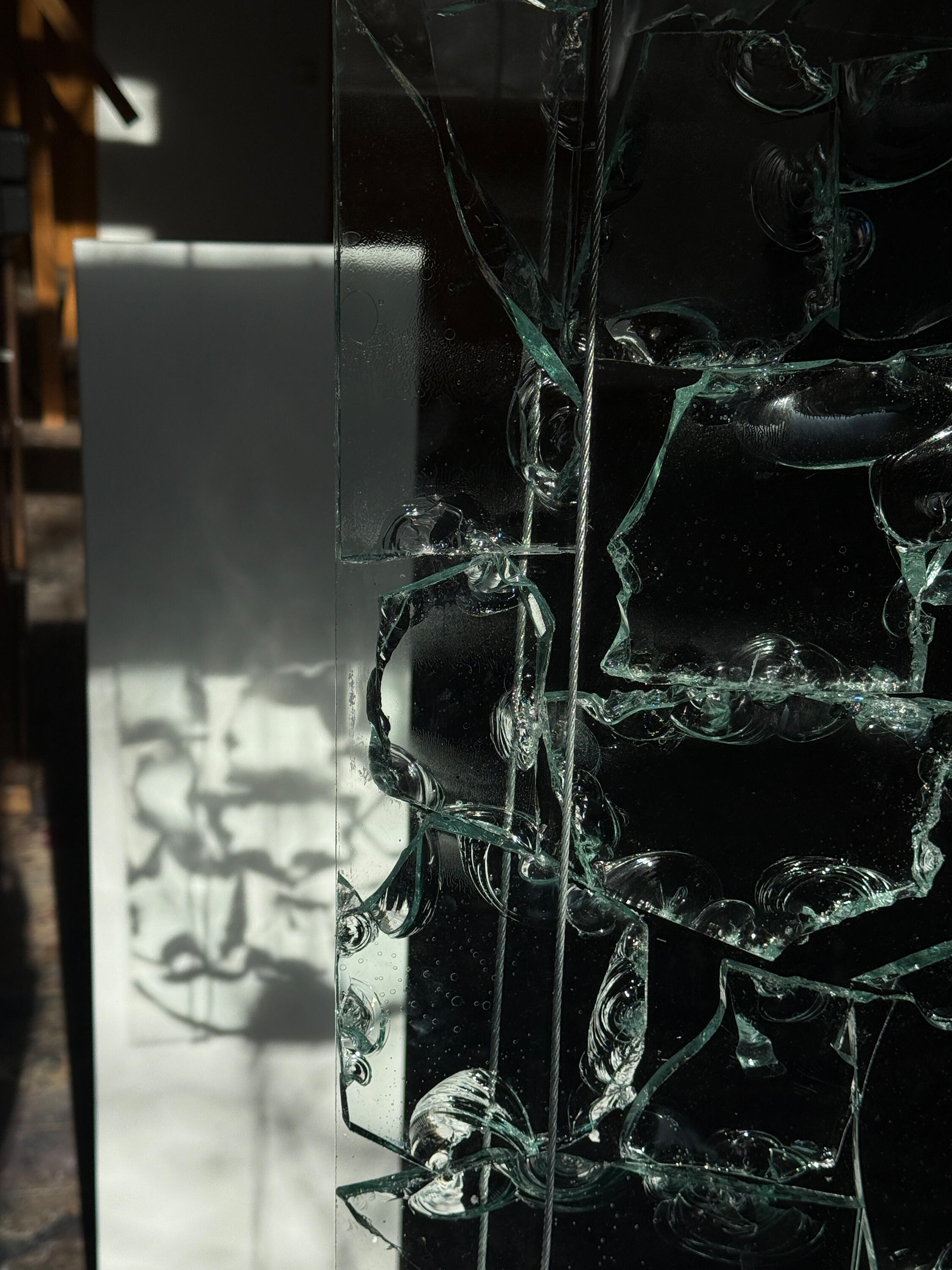
Tereza isn’t looking for the perfect design of a lamp or chandelier; she’s interested in what a glass object does to its surroundings. “When you place glass in the path of light, interpreted in some way, it creates a play of shadows through which you actually see the light.” During an artistic glass workshop in Frauenau, she cut ordinary glass and hammered it to create as many edges and splinters as possible. She then assembled them, hung the panel in front of a window, and placed a white canvas behind it. The light passed through, painted a picture, reflected, and created another light image. It filled the space.
“Enhanced glass is a tool that shapes space through light. Zdeněk Lhotský once told me that a stela should stand in front of a window, not a white wall, because otherwise nothing happens with it. Glass has the ambition to be alive, especially Czech crystal.”
Facade Panels for the EXPO Pavilion
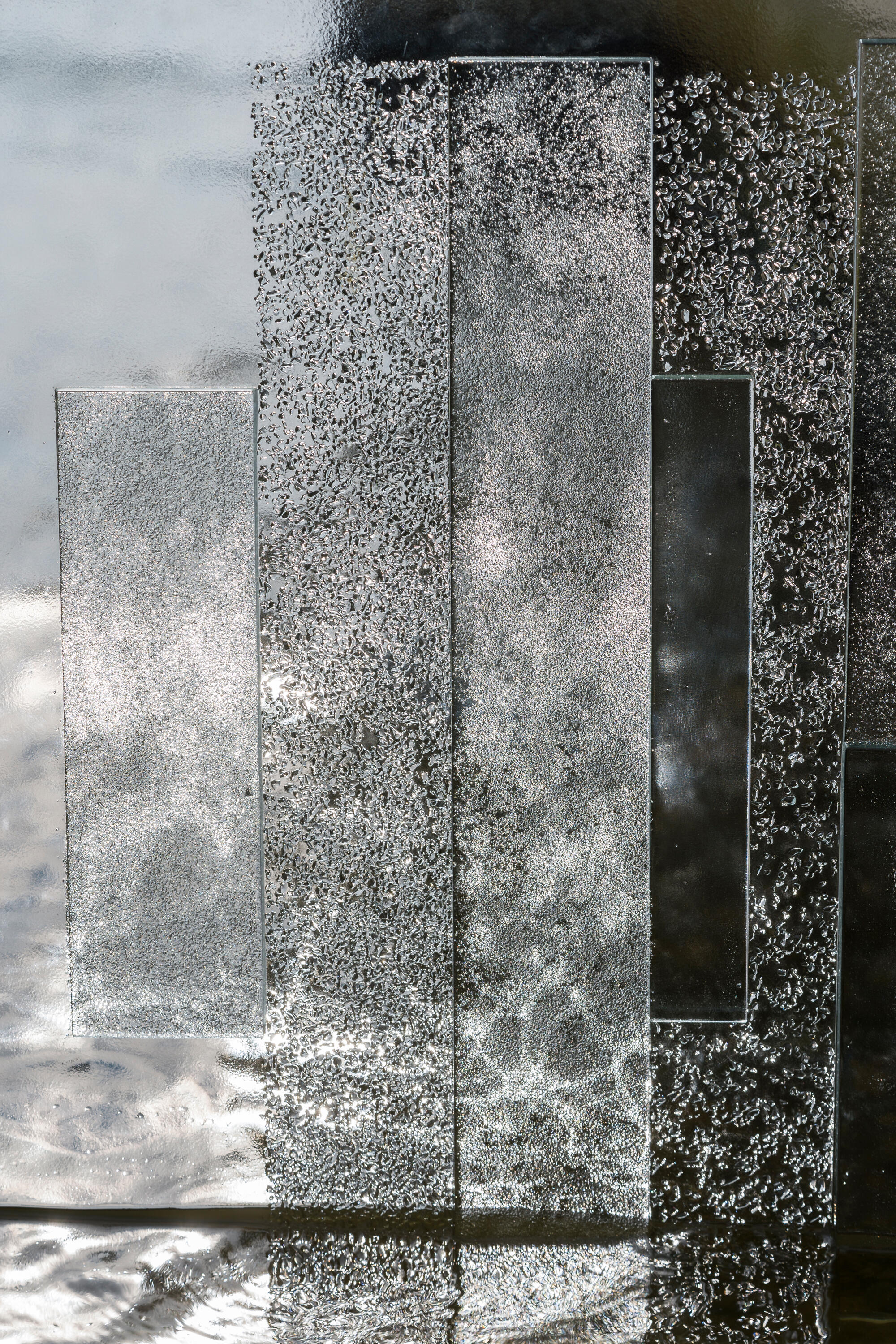
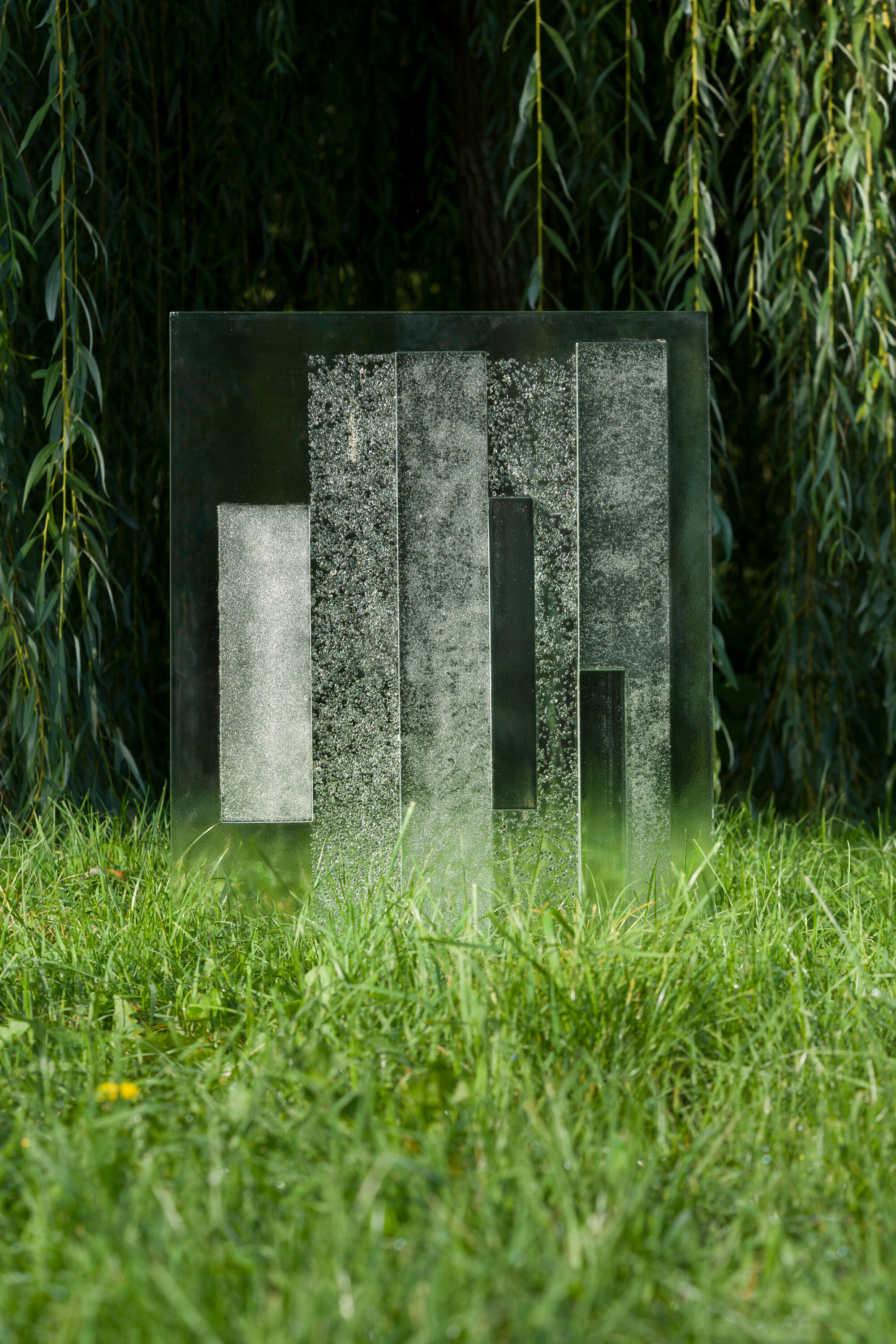
Artistically treated glass became the main feature of the winning Czech EXPO pavilion design in Osaka. The facade panels were based on laminated glass technology. Strips and frits were placed on the base glass, which fused during firing to create raised edges and a relief texture. The result was a uniform glass panel with spatial and optical effects. “The light highlights the relief structure, and it’s amazing that the effect of the raised edges is visible even in cloudy weather. In the final solution, the artistically treated glass was abandoned, and panels with standard sandblasted decoration were installed in Osaka. I didn’t agree with this solution, but the original sample panels still make me happy at home, reminding me every day of the potential of glass in architecture.”
Availability of Enhanced Glass
Glass has appeared in architecture for many years as an artistic element. When it is to become part of a building, it must be safe and certified. “Every unique piece of enhanced glass must undergo laboratory testing, which is expensive and slows down any innovation. My research at the Klokner Institute aims to find the relationships between grid, thickness, size, and strength, and to create tables by which enhanced glass can be assessed in advance. Then we won’t have to test every unique piece, opening the door to much wider use of enhanced glass in architecture.”
Glass Bricks
Prefabricated elements such as glass blocks, U-profiled glass, or window panels are perceived as barriers in space. “A glass block may distort the passage of light, but it’s still a catalog item with limited creative possibilities.” That’s why she looks for a new type of “glass brick” to create a fresh experience of glass.
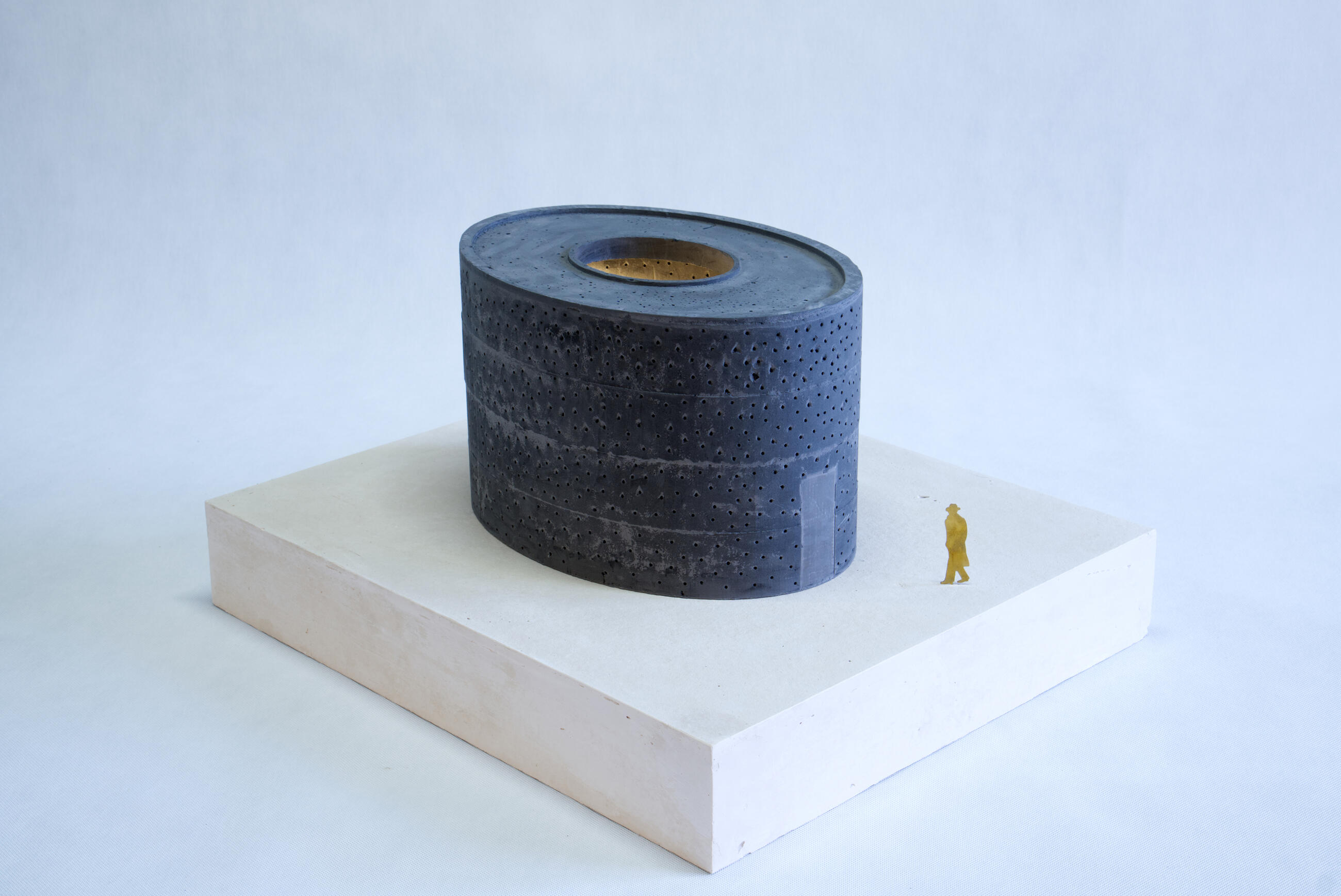
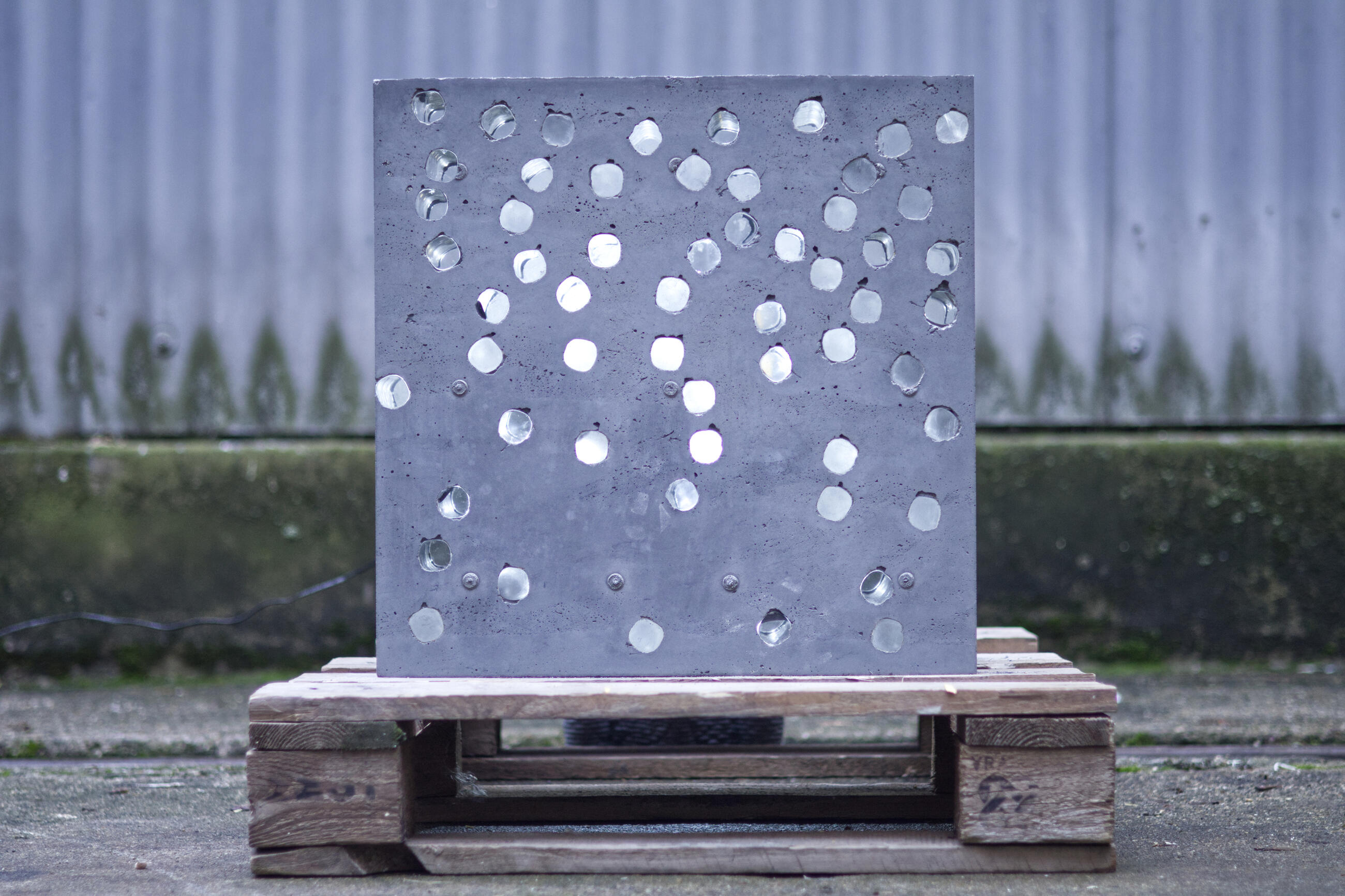
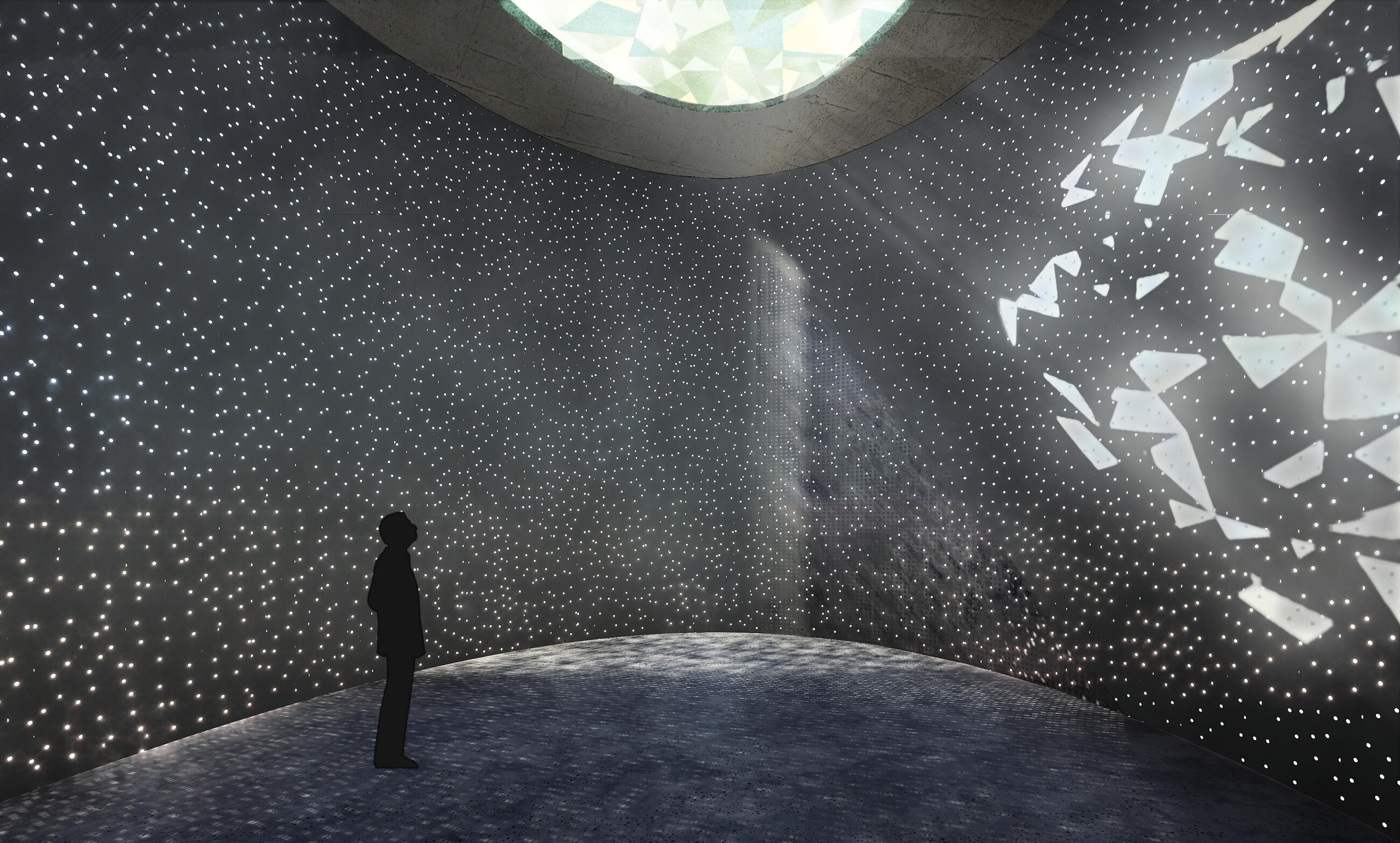
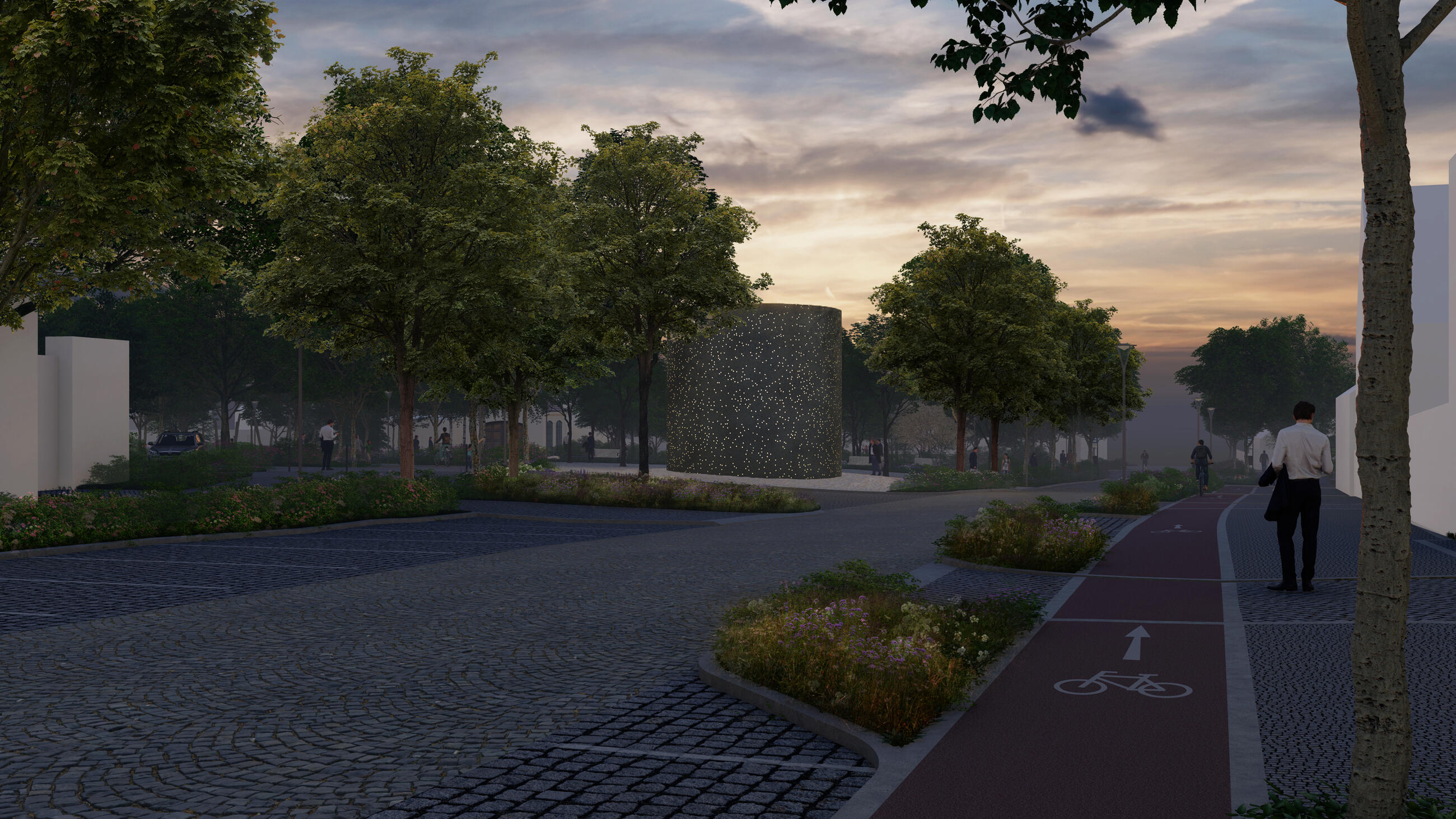
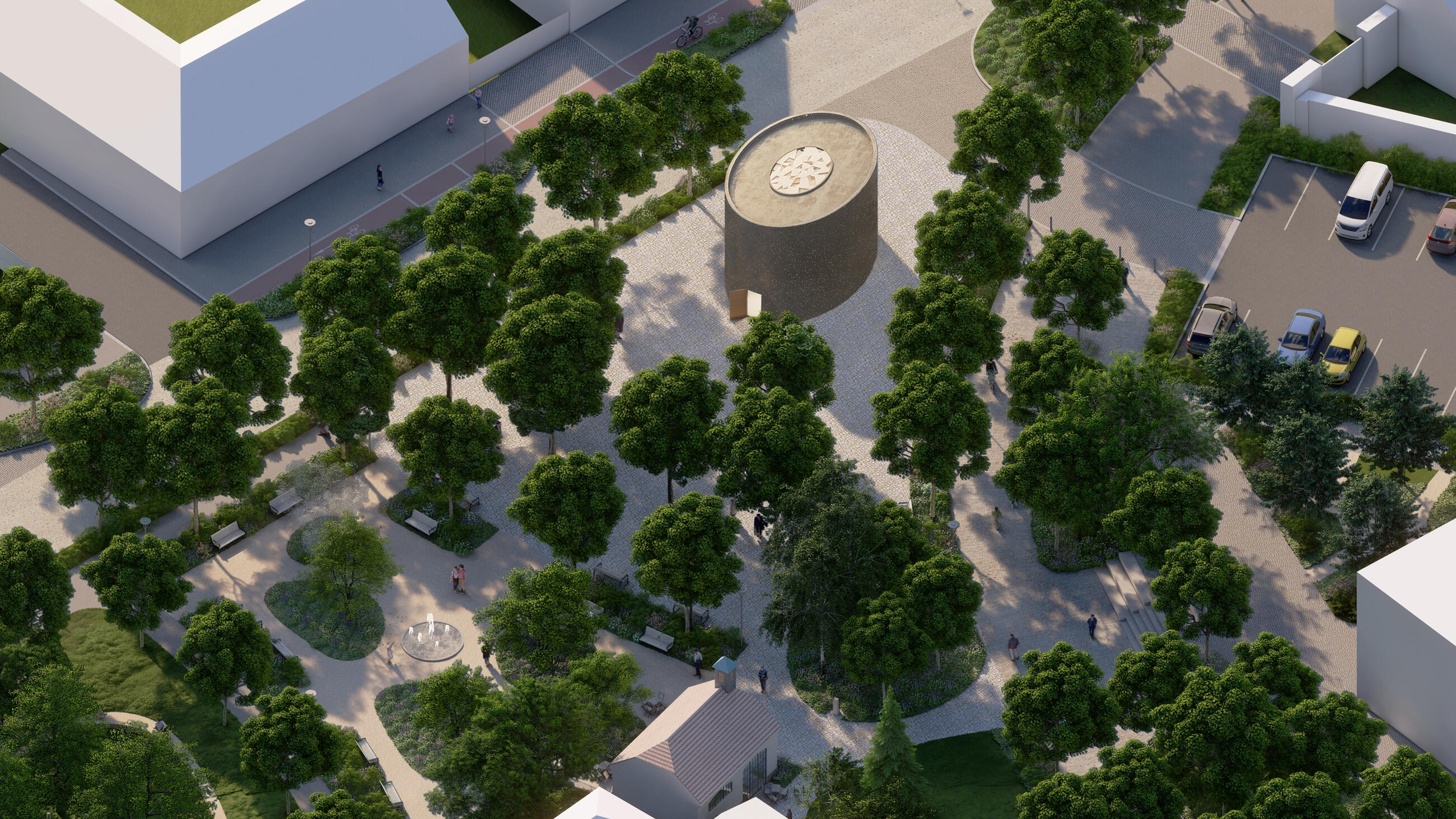
Currently, together with Petr Tej, Oto Melter, and Barbara Kraus, she is working on a community space in Jesenice. The Universum building is a simple oval structure without windows, 7 × 10 m, 8 meters high, made of UHPC concrete. Hundreds of optical glass rods are inserted into it. The building glows from the inside out, and you can see in from outside, she explains. The samples come from Desná, where they are also exploring how this simple and inexpensive semi-finished product could be used in architecture. “They define technological possibilities, and I design, experiment, and discover principles for working with the material.”
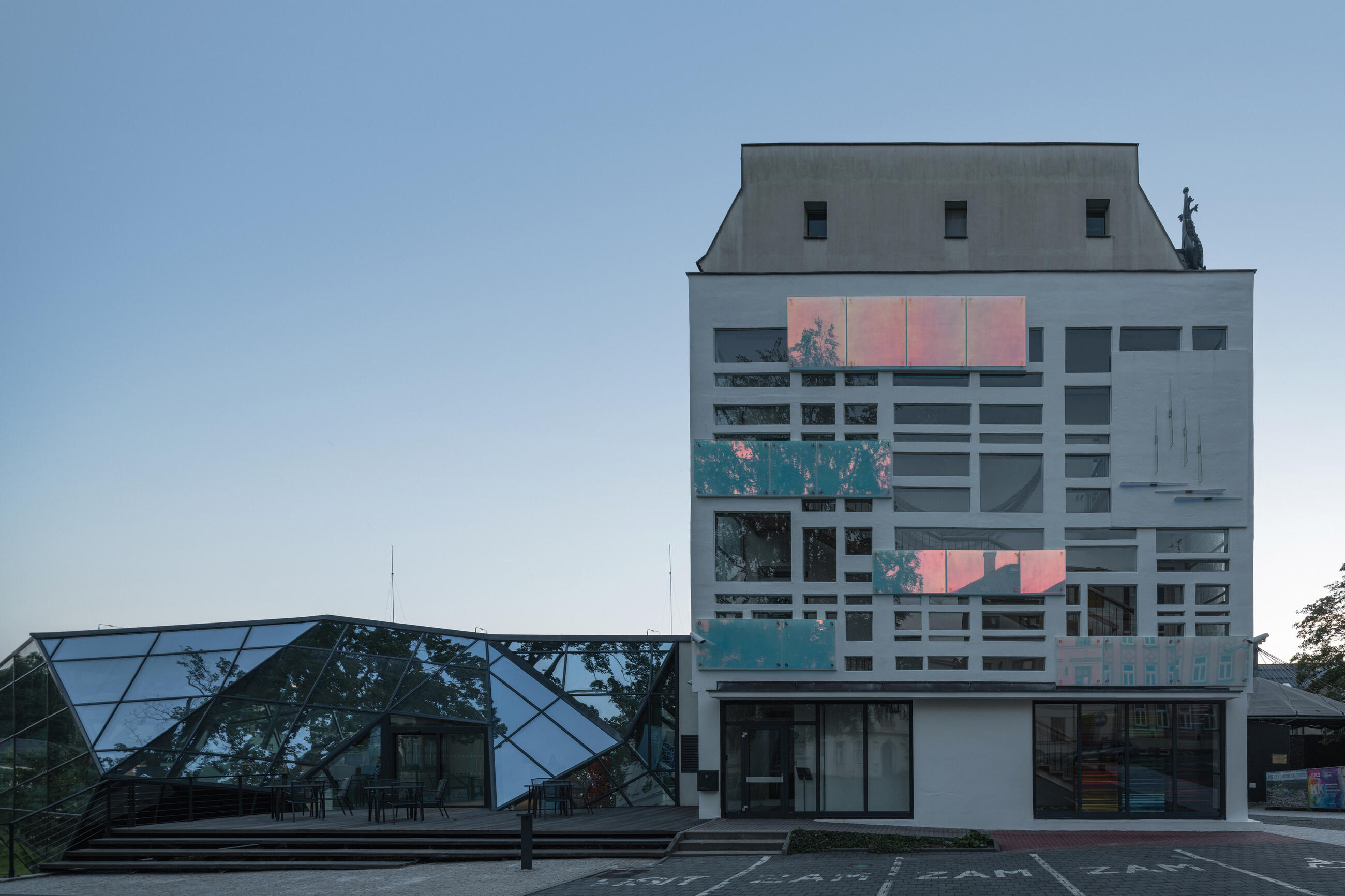
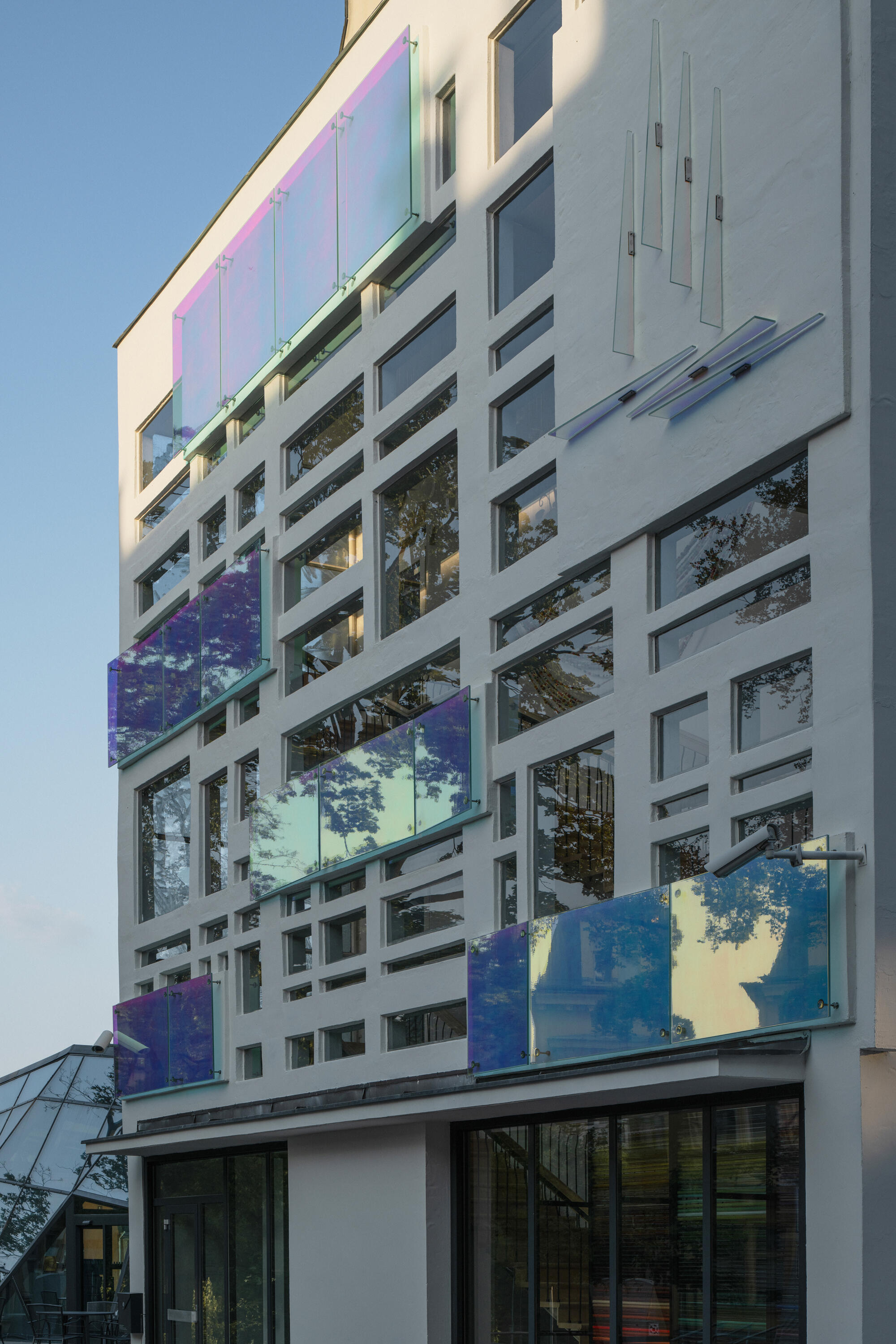
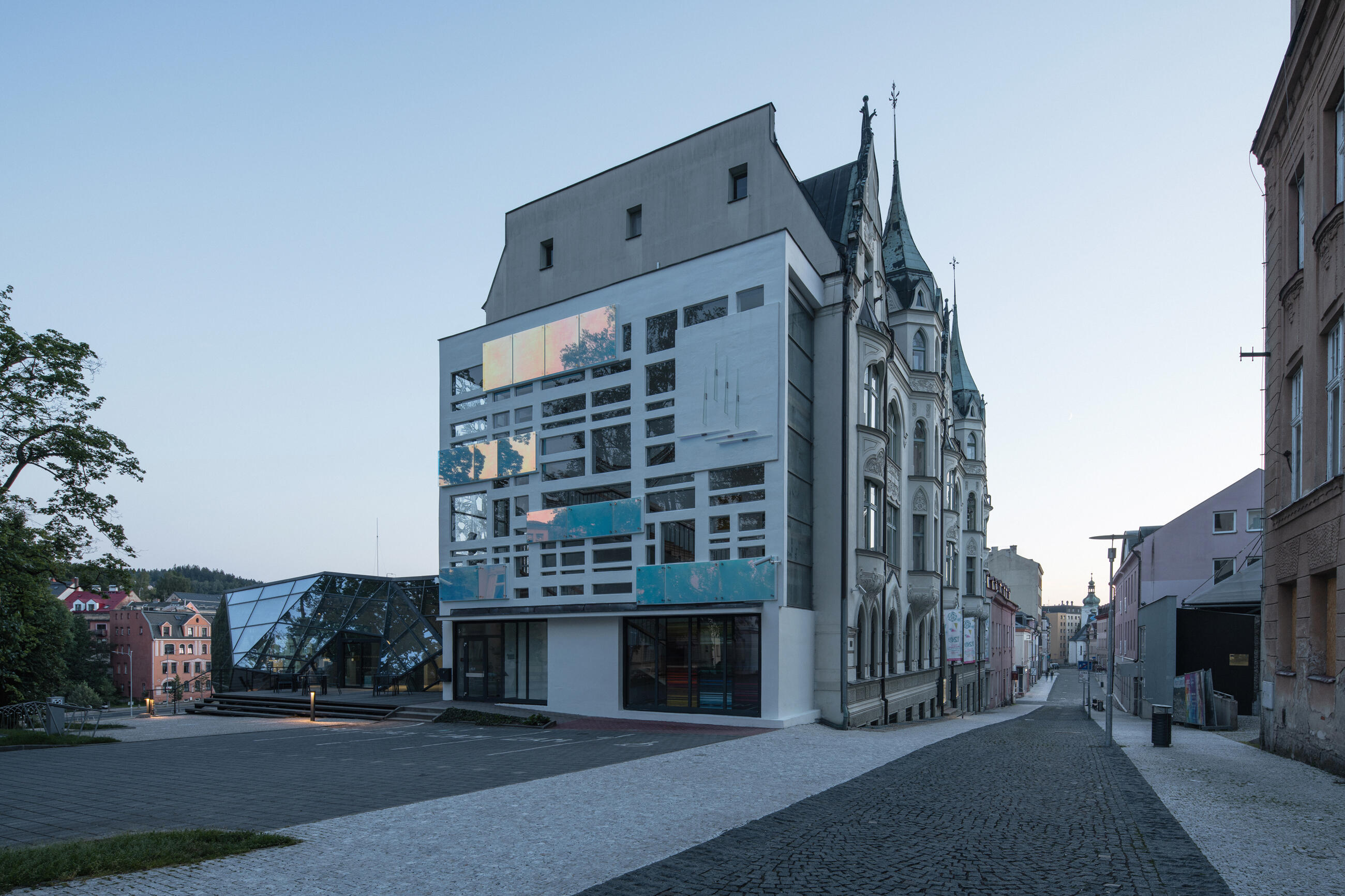
Another experience she tried was on the facade of the Jablonec museum. The beautiful composition of Pelant Staircase windows was enhanced with dichroic glass panels that respond in color to light and viewing angles. “We basically hung living pictures on the facade that reflect the surroundings and change throughout the day.”
Through her research, Tereza describes working procedures and creates framework parameters for further creativity. “I can’t fully see what’s at the end, but I know the journey brings many discoveries and opportunities.”
(Prepared by Vendula Tůmová)
| Professional | Tereza Šváchová |
|---|---|
| Website | www.terezasvachova.cz |
| Social media | www.instagram.com/terezasvachova www.facebook.com/t.svachova www.linkedin.com/in/terezasvachova |
| Photo credits | Filip Švácha, www.filipsvacha.cz, filip.svacha@gmail.com Michael Tomeš, www.michaeltomes.cz, fotograf@michaeltomes.cz Petr Polák, petrpolakstudio.cz, petr@petrpolakstudio.cz |
| Collaborators and suppliers | |